North IndiaUTTARAKHAND
UTTARAKHAND30.0668° N, 79.0193° E[ OVERVIEW ]Uttarakhand is home to the Kumaon hills in the east and the Garhwal hills in the west. Blessed with extraordinary natural beauty and deep spiritual significance, it is often referred to as Dev Bhoomi—the Abode of the Gods.
From towering Himalayan peaks and vast glaciers to sparkling rivers, dense forests, and rich biospheres, the landscape offers exceptional opportunities for camping and exploration. Iconic sites such as the Valley of Flowers and popular skiing slopes add to its appeal as a nature lover’s paradise.
Uttarakhand is also a sacred land, dotted with revered shrines and pilgrimage destinations, making it a rare confluence of spirituality, adventure, and natural splendour.
[ HIGHLIGHTS ]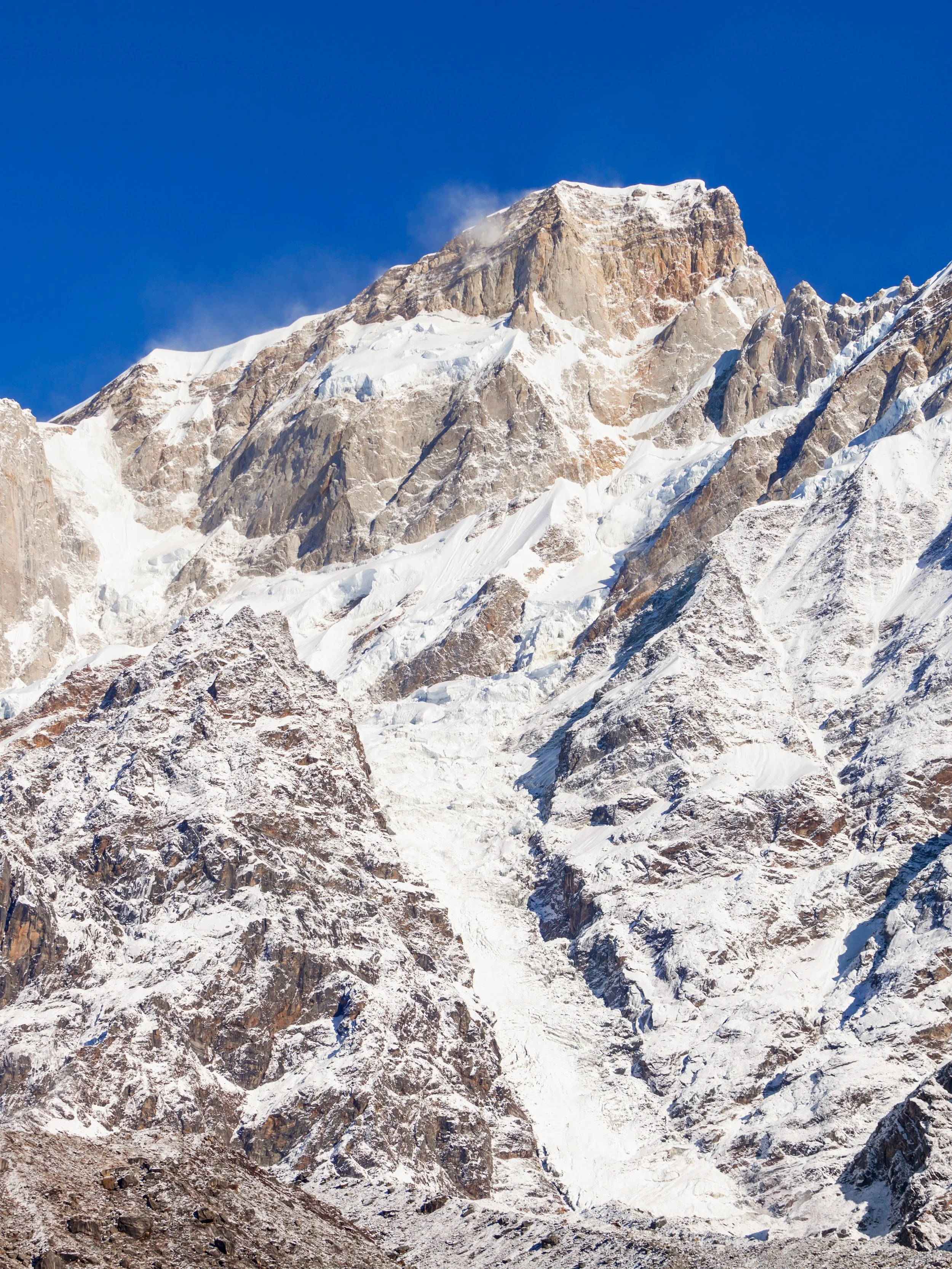
Mountaineering in Uttarakhand
Explorers such as Eric Shipton and Bill Tilman entered the annals of exploration history when, along with their Sherpa companions, they became among the first to step into the Nanda Devi sanctuary.
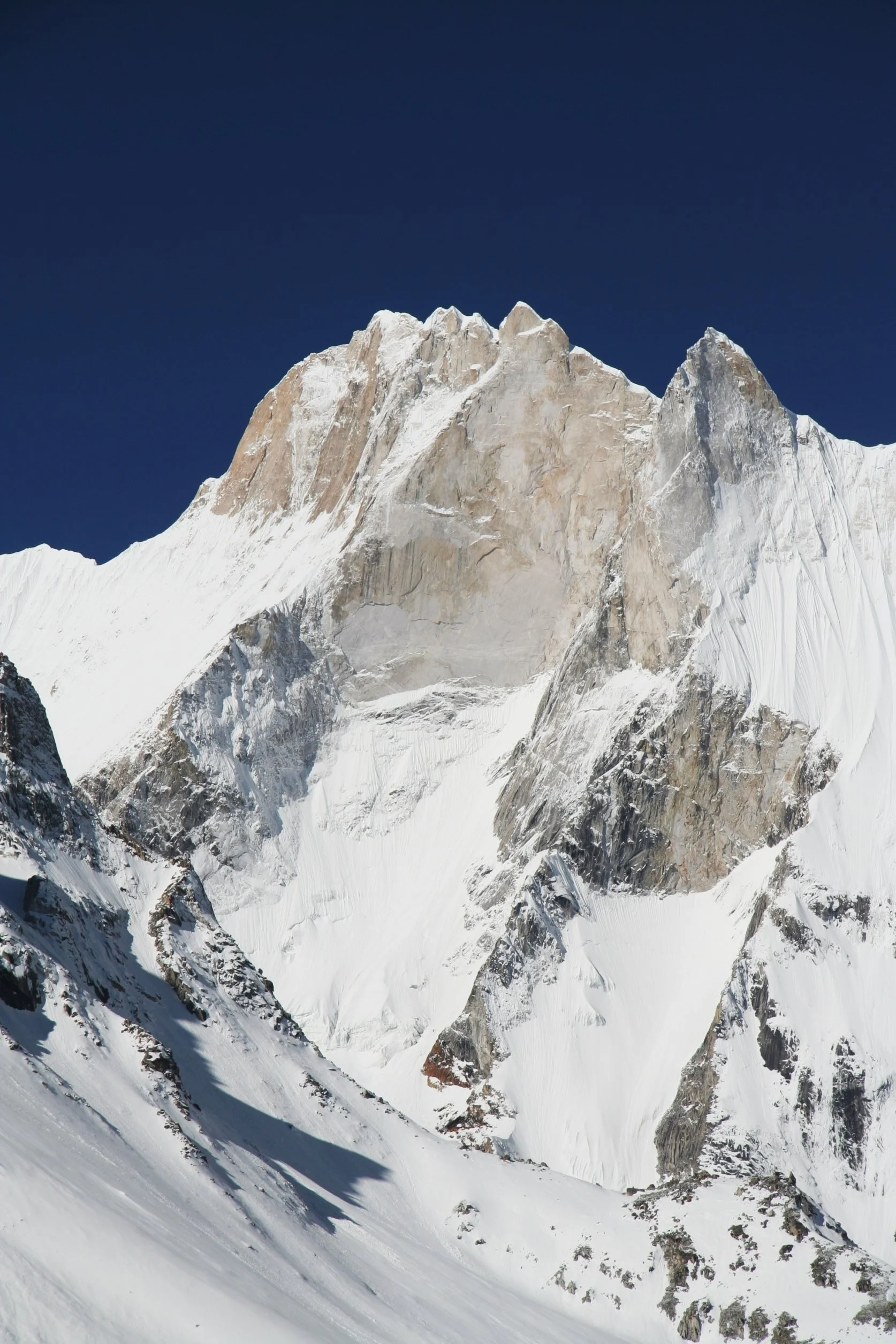
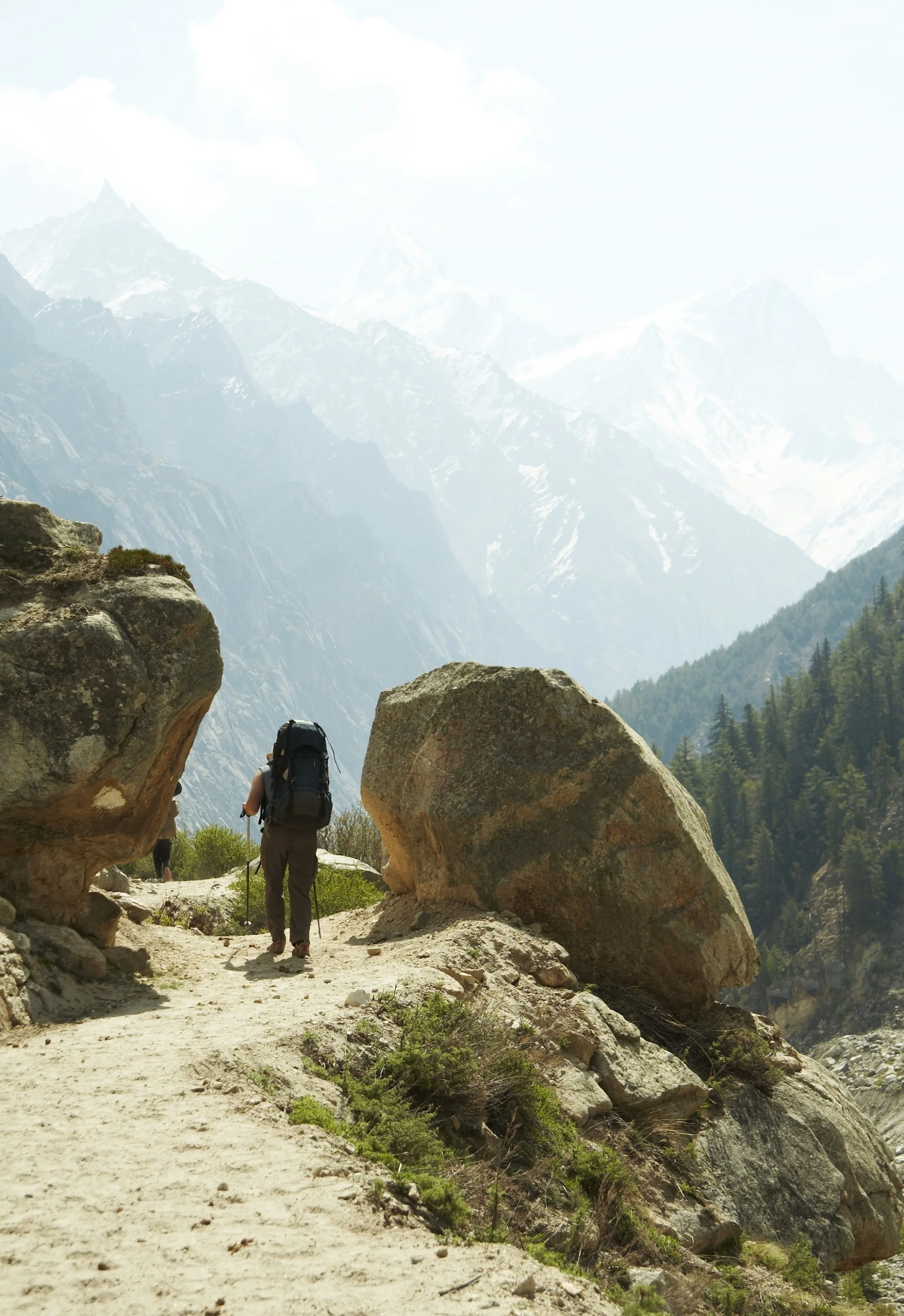
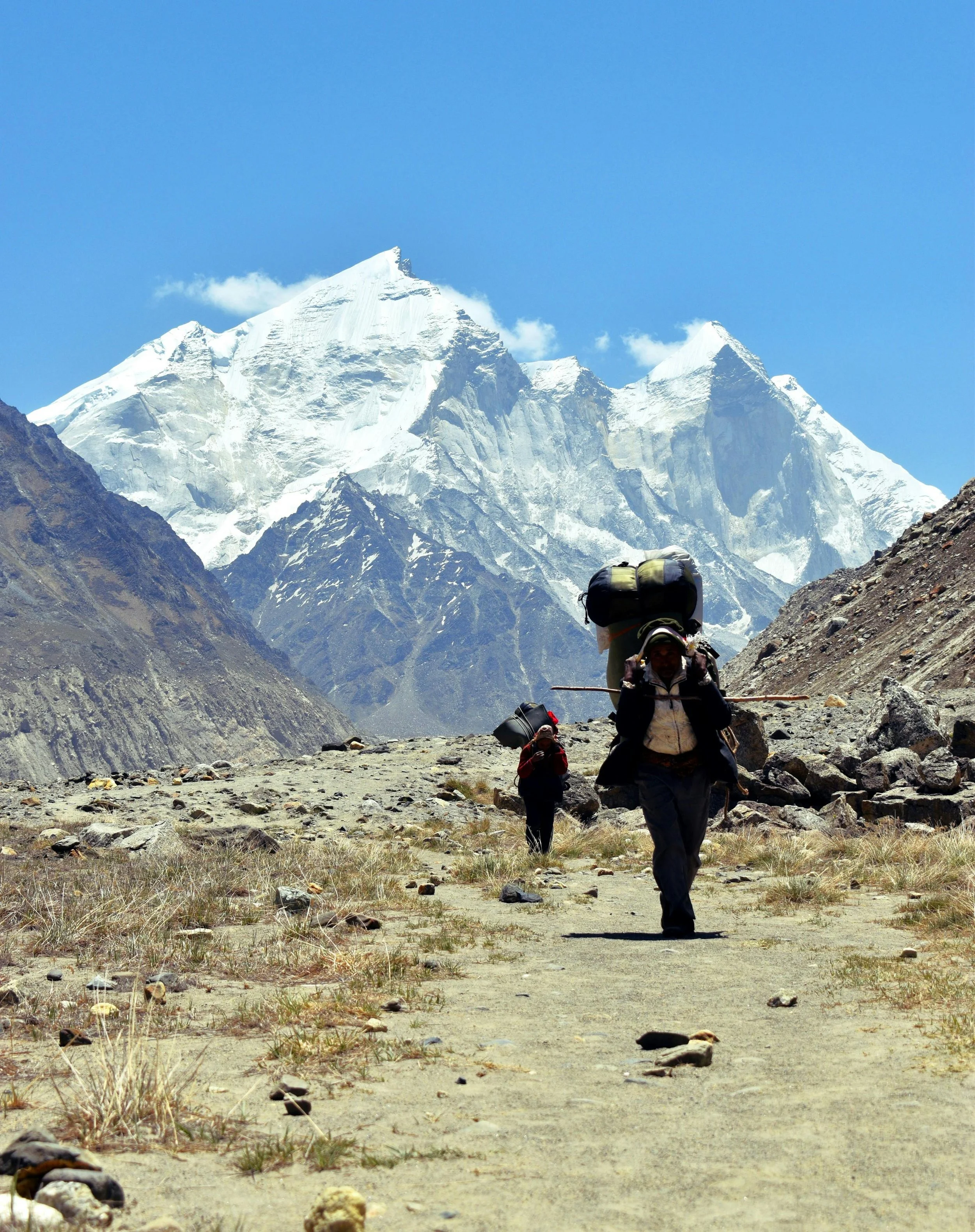
Climbing in the Garhwal Himalaya is as much an inner journey as it is a physical one. Deeply woven with myth and reverence, these mountains hold a sacred place in Indian tradition. The route typically runs from Delhi to Uttarkashi and onward to Gangotri on the banks of the Bhagirathi River. A multi-day trek leads into a dramatic amphitheatre of peaks including Shivling, Meru, and the Bhagirathi group—an alpine sanctuary for climbers.
-
Further north lies the legendary Nanda Devi, whose twin summits rise above 25,000 feet. The first successful entry into its inner sanctuary was achieved in 1934 after years of exploration attempts, marking a defining moment in Himalayan mountaineering history.
The massif stands alone, encircled in a vast ring of peaks now called the Nanda Devi Biosphere. Whilst Nanda Devi main and the peaks within the biosphere are closed , certain peaks can be climbed from its outer periphery such as Nanda Devi East, Nanda Kot, Trishul, Changabang, Kalanka, to name a few for Camping Uttarakhand.
Roopkund trek -Traverse down a path treaded by legendary mountaineers like Shipton and Tilman, and undertaken by Lord Curzon during the British Raj. This classic trek goes over the Kuari Pass, alpine in vegetation with lovely meadows, anemones and buttercups. Legend has it that at Roopkund lying at an elevation of 4778 metres in Garhwal has the remains of a small army of soldiers that was led by Zorawar Singh in an attack. This mystery lake as is often called continues to hold secrets.
[ Highlights ]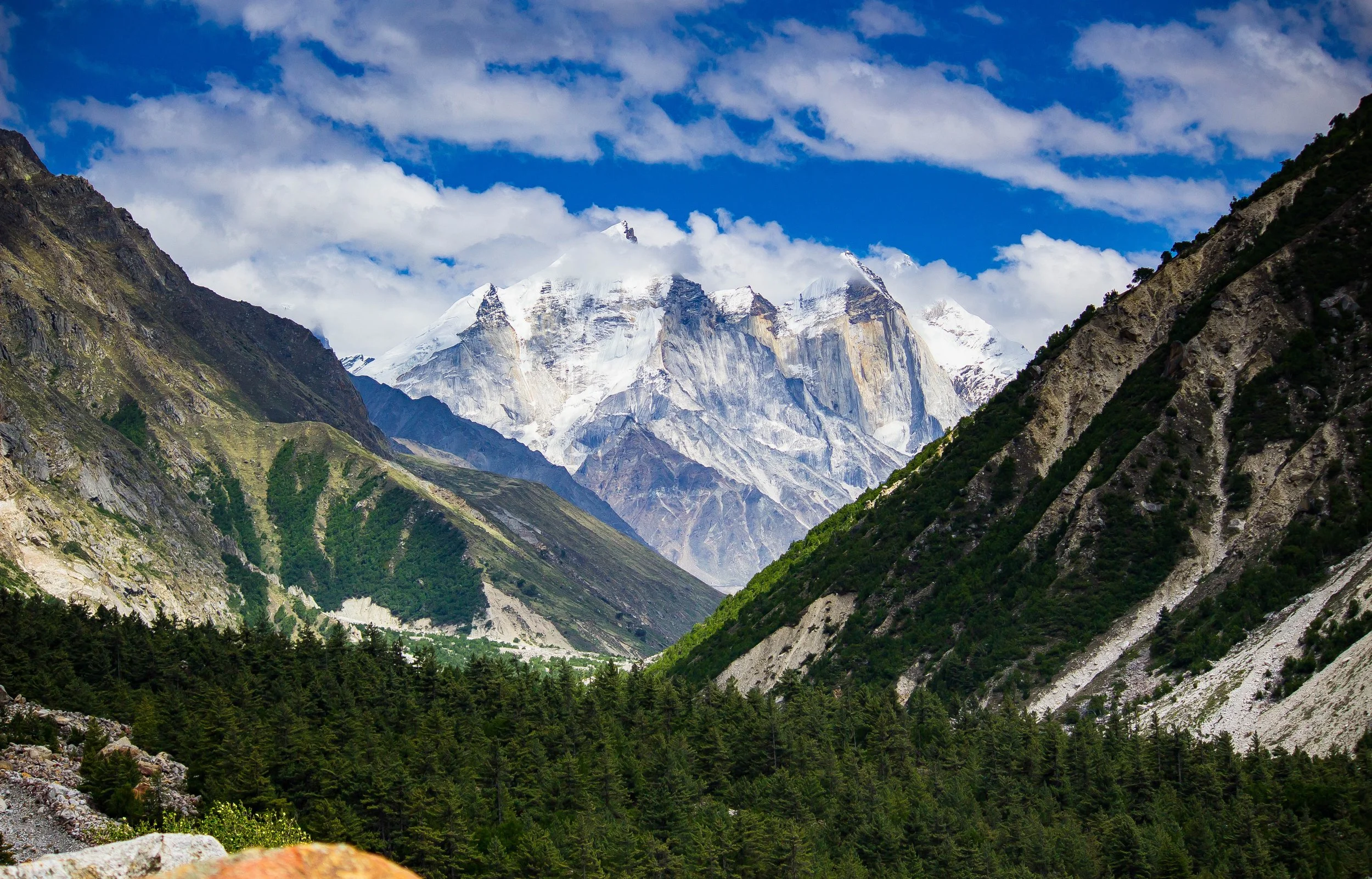
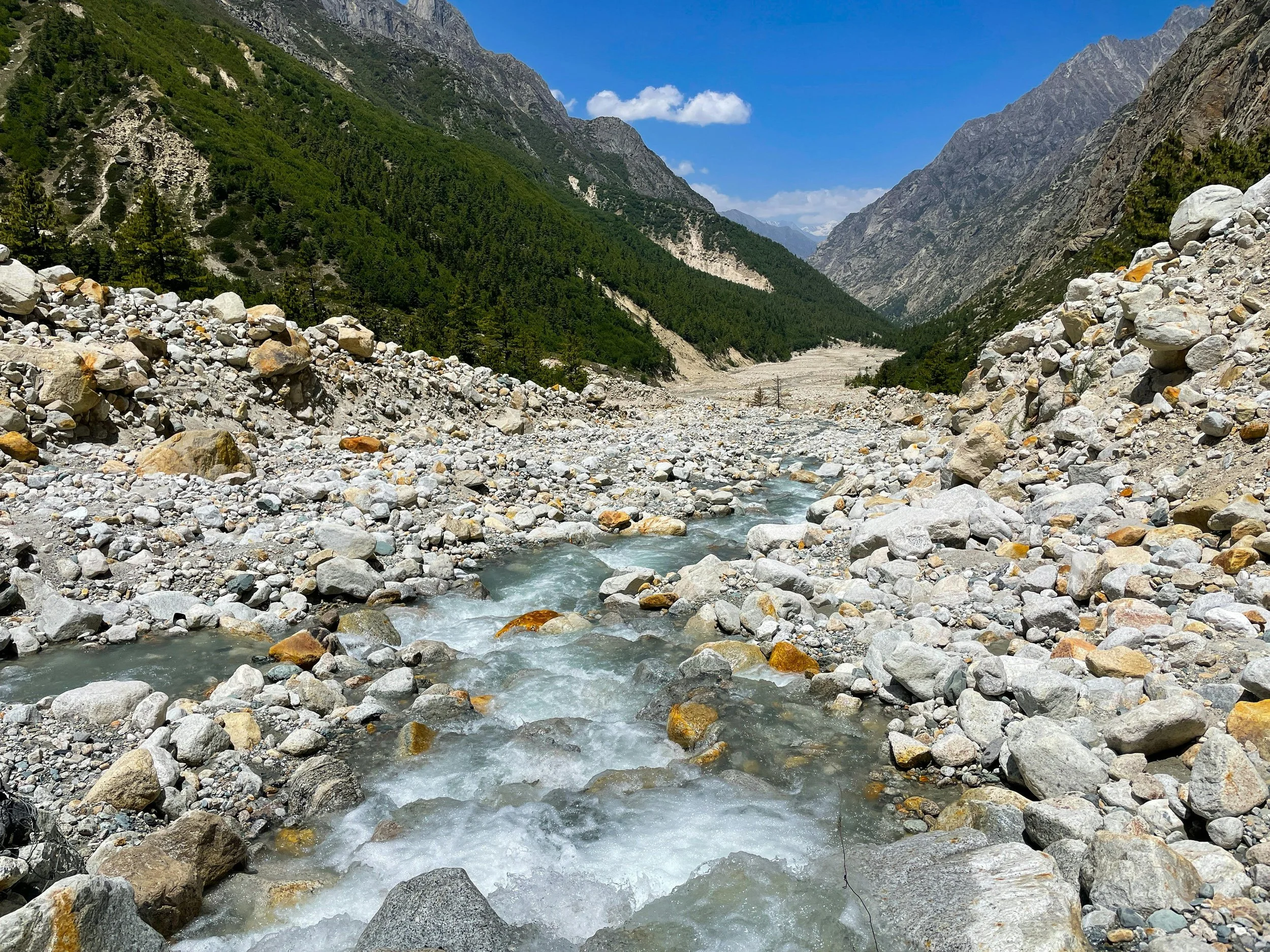
Tapovan in Gangotri is the source of the holy Ganges river. The place can be traced for its sanctity for the Yogis who would travel here & meditate. Through this trek we live the yogic philosophy of ‘Jap’, meditativeness & ‘ Tap’, discipline. We walk the steps that many yogis have walked before in time, undertaking this journey outside, as we explore the stillness & oneness on our inside.
Through the filters of philosophy of yoga and every step with awareness, we will have the opportunity to reflect about the places we visit, where we stand in time, what our larger purpose is and where do we aim to reach after all. The ideal time for this trek is in September.
Himalayan Yoga Trek
[ HIGHLIGHTS ]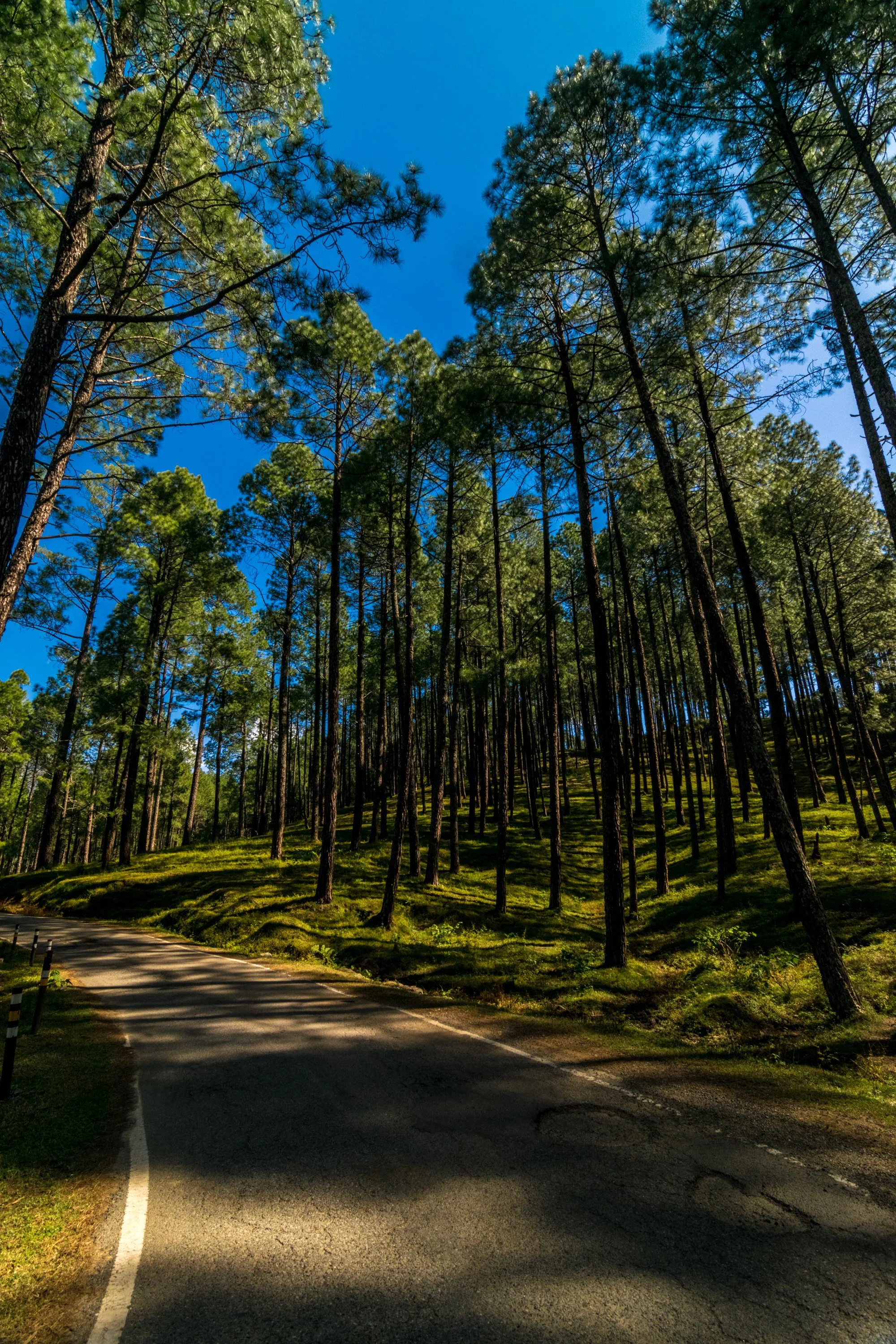
Jeep Safaris
For gentler jeep journeys, the scenic Kumaon and Garhwal regions offer access to charming hill towns such as Ranikhet and Almora. These journeys reveal a distinctive local culture, from apple, plum, and mango chutneys and pickles to finely handwoven textiles and woollens crafted by women’s cooperatives.
In the more remote Himalayan areas, jeep safaris can be combined with stays in traditional homestays. Ibex Expeditions actively supports these initiatives, helping sustain village livelihoods and offset income losses caused by livestock depredation from wild predators—while offering travellers a more authentic and community-based experience.
[ Highlights ]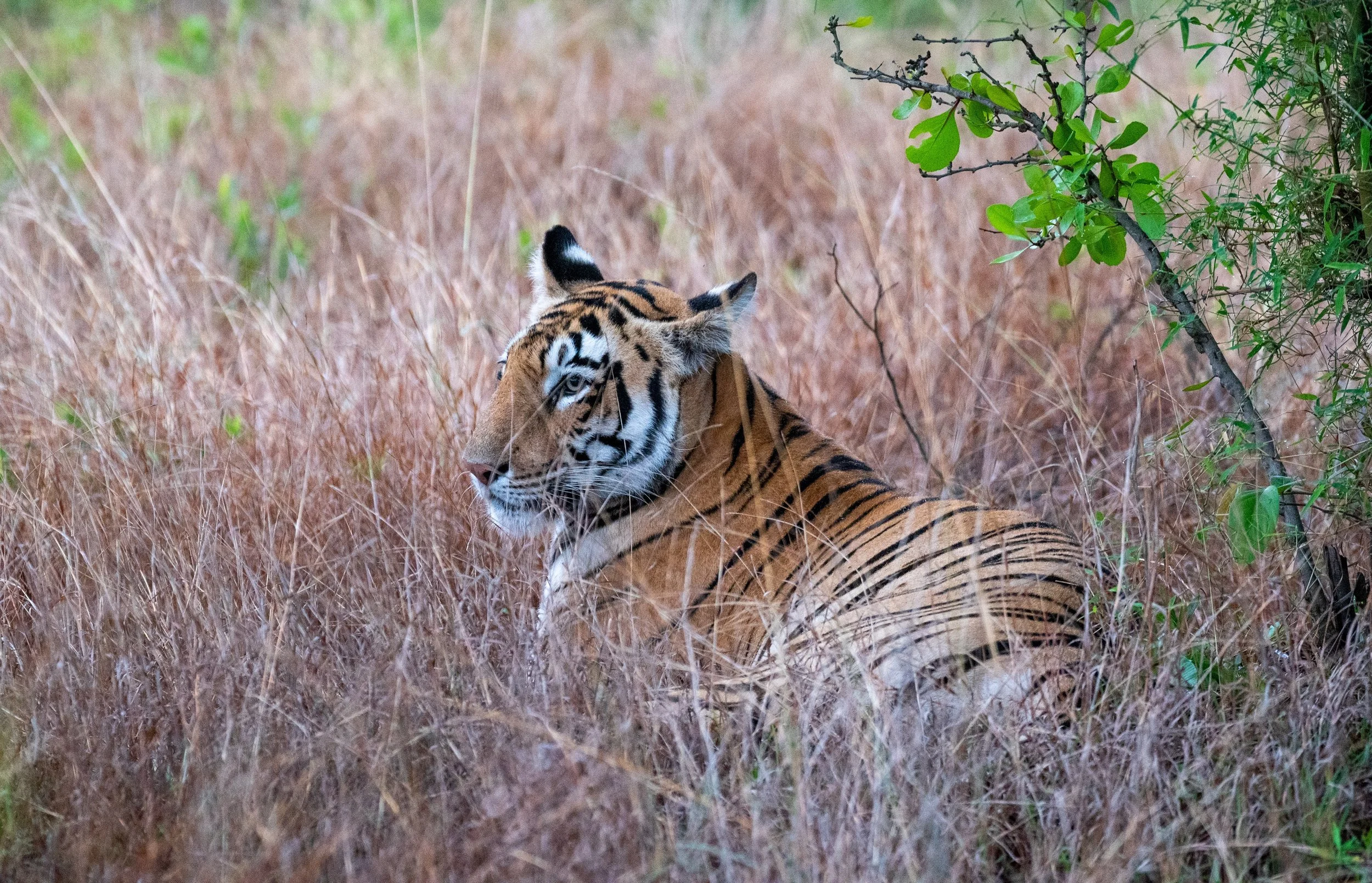
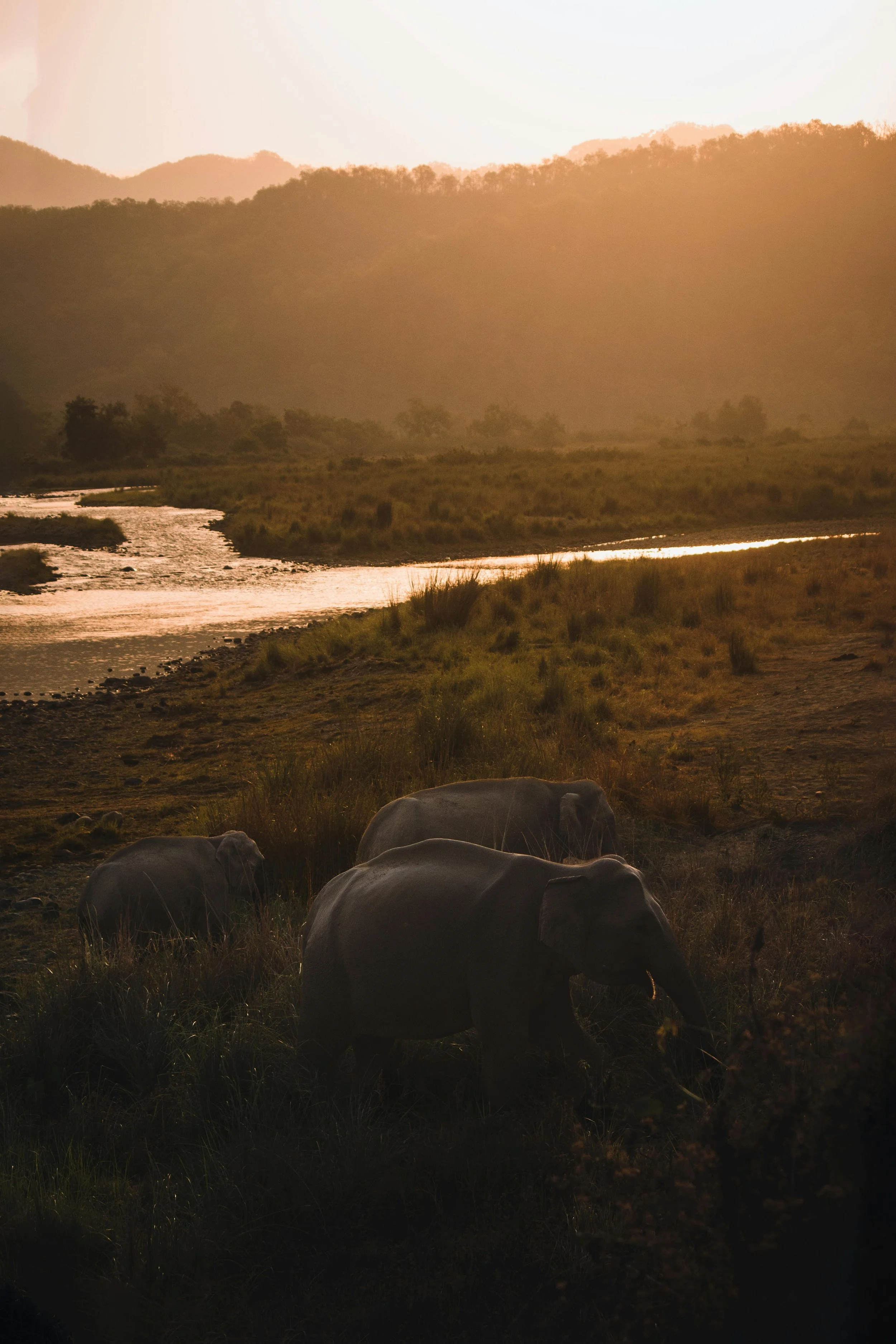
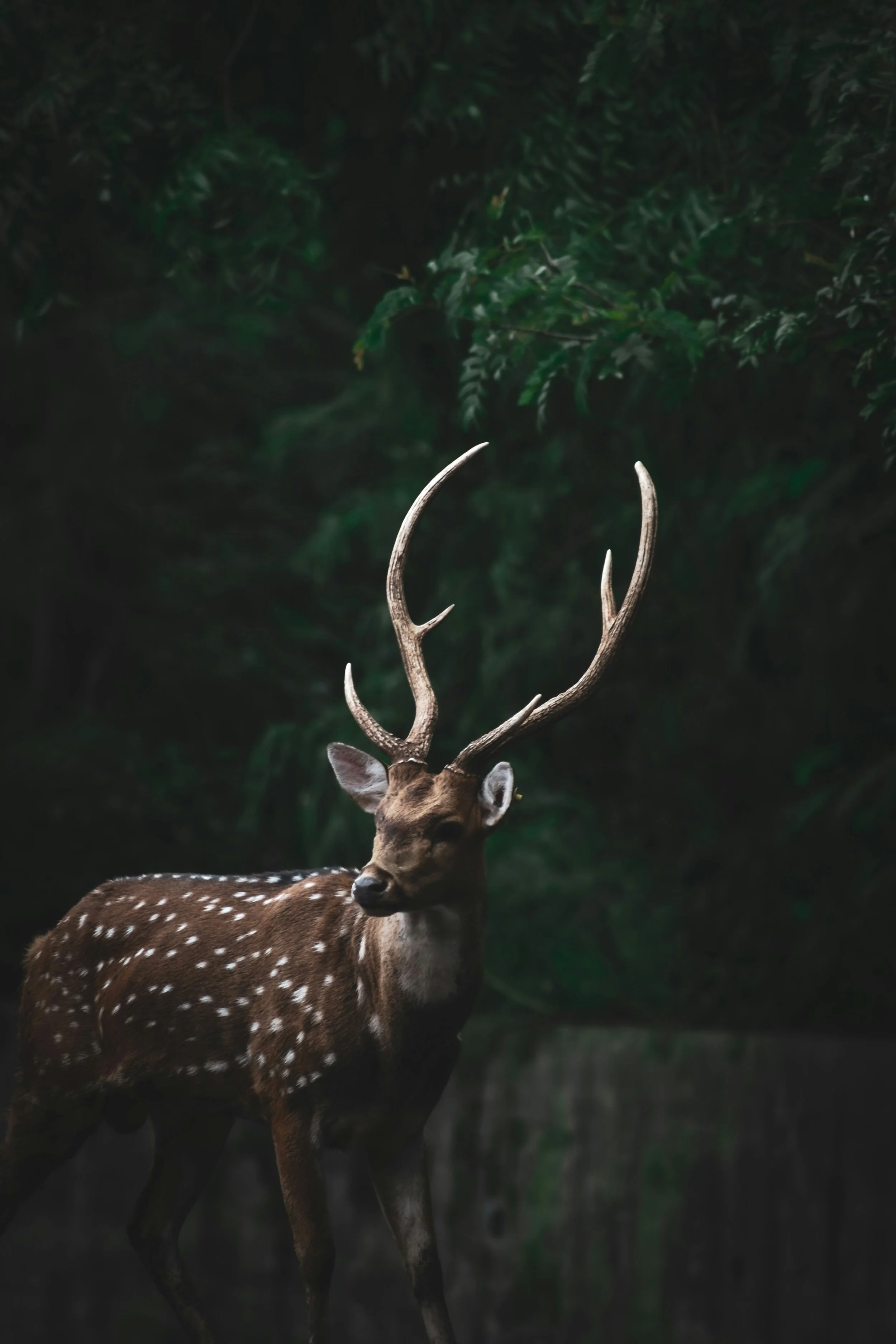
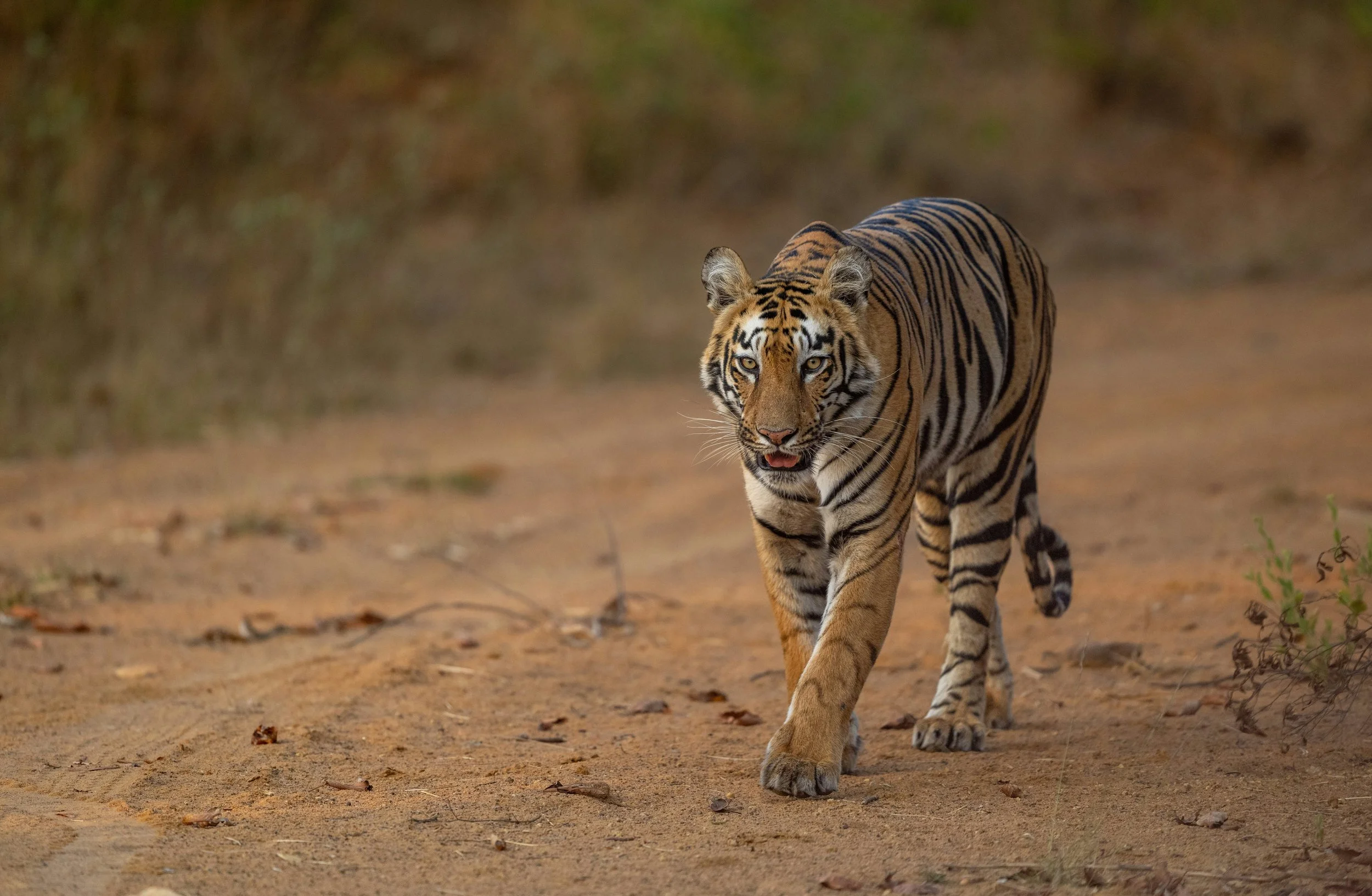
Jim Corbett National Park, India’s oldest national park, was established in 1936 and named after the legendary hunter-naturalist and pioneering conservationist Jim Corbett. Unlike the open savannahs of Africa, its dense forests make wildlife sightings more elusive, requiring patience and the thrill of tracking animals through the jungle.
The park features a mix of sal and sheesham forests, interspersed with vast grassland meadows known as chaurs. It is home to around 580 bird species, 50 mammals, and numerous reptiles, including the krait, cobra, and Indian python. The lifeline of the park is the Ramganga River, supported by tributaries and the nearby Kosi River.
Located in the Ramganga Valley across the districts of Nainital, Almora, and Pauri Garhwal, the park was originally established as Hailey National Park in 1935 and later became India’s first Tiger Reserve under Project Tiger in 1973.
Corbett National Park
-
Jeep safaris offer the best chance of spotting tigers, guided by expert naturalists skilled at interpreting animal behaviour and forest signals. Elephant-back safaris add another dimension to exploring this remarkable landscape.
For a different kind of adventure, sway through the park on elephant back. Although it is less likely you’ll spot a tiger this way, most of the park’s other inhabitants are less circumspect of the elephant than they are of the jeep’s roar.
Trekking & Bird watching: Reserve forests around the Tiger Reserve provide the ideal terrain for easy trekking. Make sure you wear the right kind of walking shoes and enough warm clothes to counter the freezing temperatures in the winter and keep it in mind to wear colours that bend in with your surroundings. Don’t forget to carry your binoculars, the Corbett National Park houses a variety of birds and is a birdwatchers’ paradise.
Angling: Sustainable angling can even be beneficial to the conservation of this and many other fish species and is allowed, with a special permit, in the Ramganga, Kosi, Mandal and Kothri rivers. Try your hand at the mighty Mahseer which is considered to be one of the most prized fish for anglers world over.