

NORTH EAST INDIAASSAM
Brahmaputra RIVER26.1158° N, 91.7086° E[ OVERVIEW ]A voyage through Assam along the mighty Brahmaputra River is an indelible experience. Known here as the Brahmaputra—the son of Brahma—the river shapes both landscape and life as it flows through this remote and richly layered region.
As you journey along its shifting channels, you pass ancient temples and witness glimpses of daily life in some of the most secluded riverine communities. The experience is both intimate and expansive, revealing a side of India few encounter.
The journey is further enriched by time in Kaziranga National Park, often compared to the Serengeti National Park for its remarkable concentration of wildlife and birdlife—an extraordinary finale to a voyage defined by nature, culture, and discovery.


[ HIGHLIGHTS ]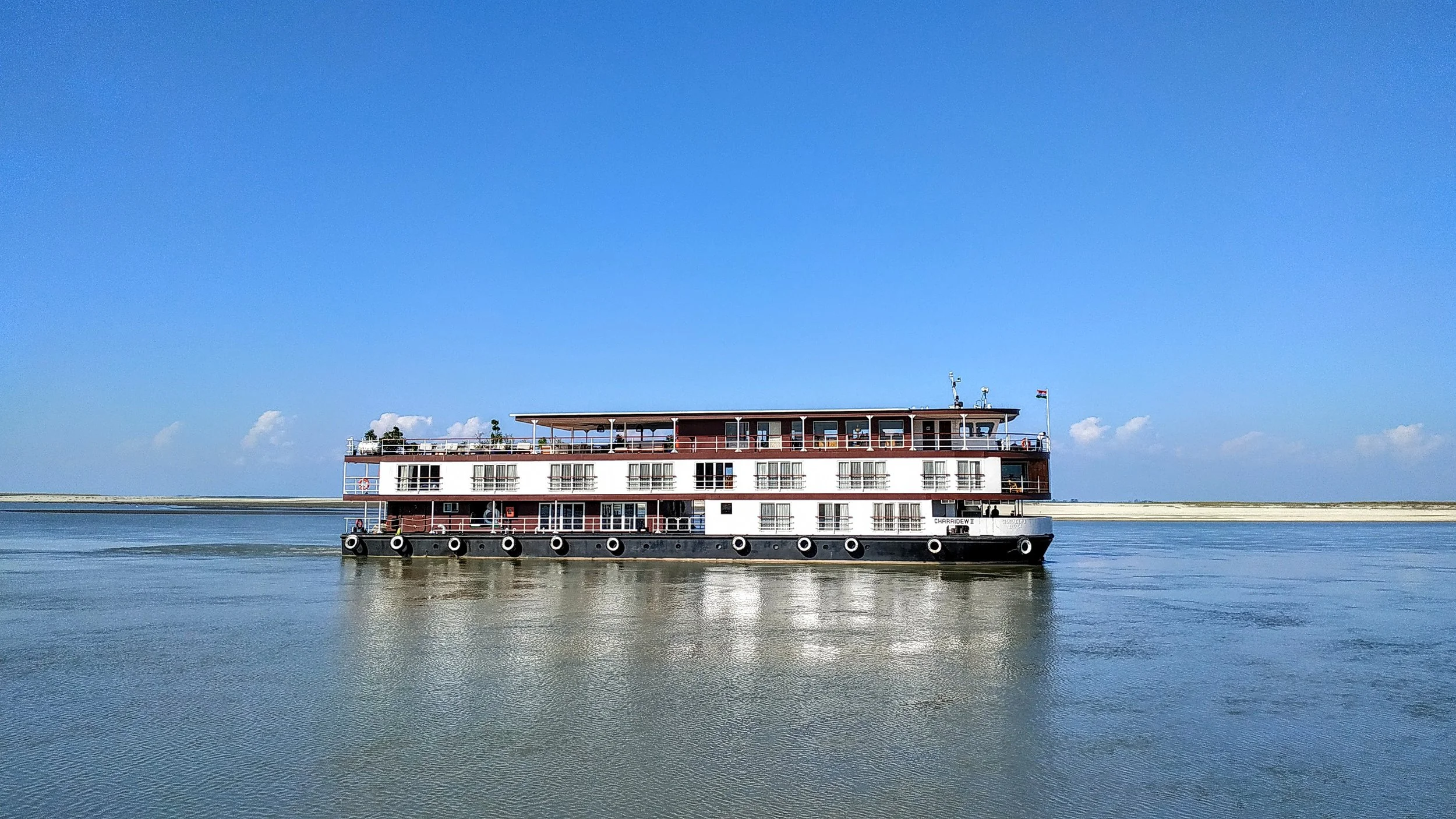
Cruise the Mighty Brahmaputra River
As you journey along the Brahmaputra River, you pass historic riverside temples and gain rare glimpses into life in some of the region’s most remote communities.
The boats are intimate in scale yet rich in character—comfortable, thoughtfully designed, and distinctly local. Fresh, contemporary décor blends seamlessly with regional craftsmanship, from handlooms and bamboo panelling to cane and rattan furnishings. With just 12 cabins, the experience is perfectly suited to a small group seeking both privacy and camaraderie.
Onshore, cycles and tuk-tuks offer the freedom to explore at your own pace, adding a sense of independence to this deeply immersive journey.

[ Highlights ]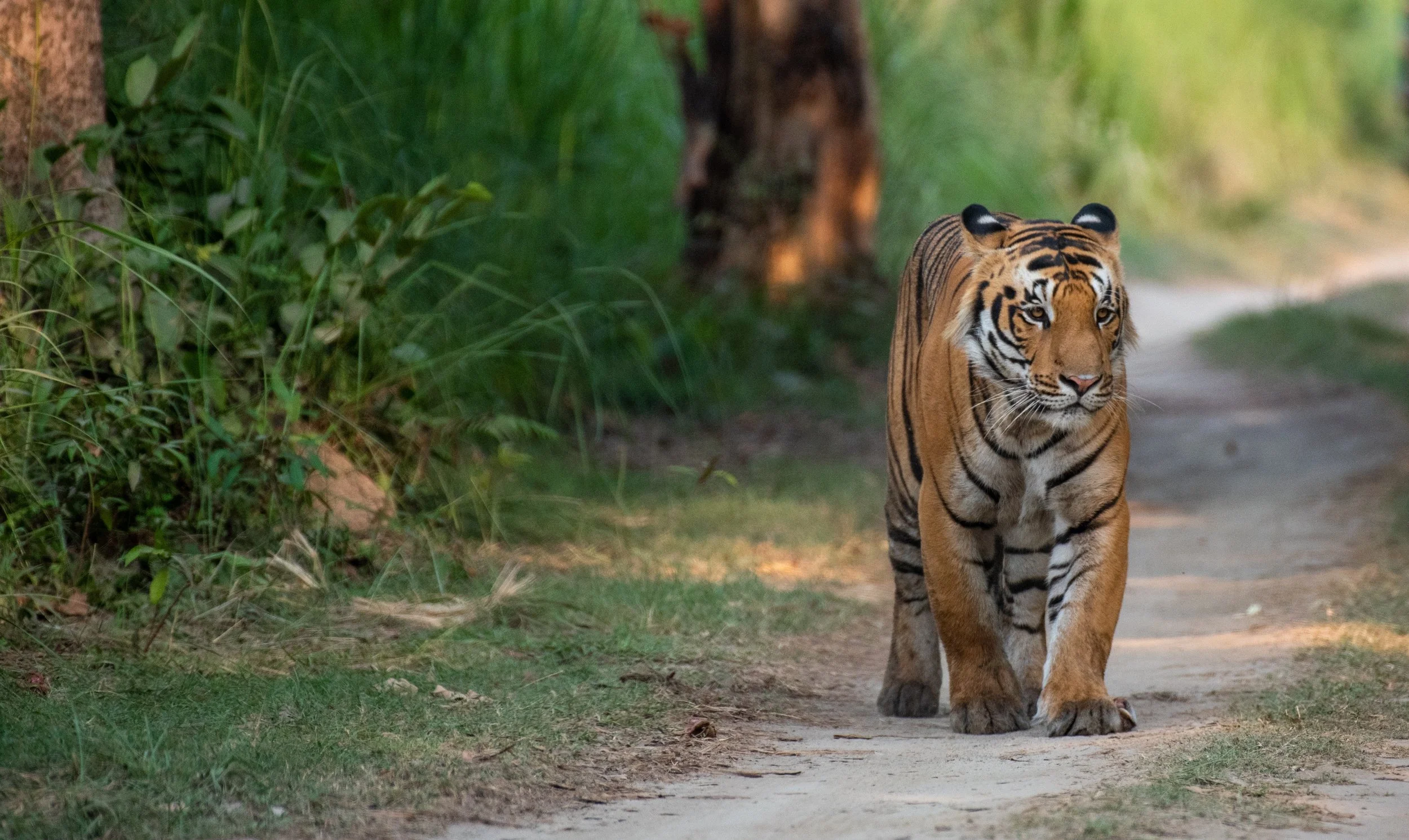
Kaziranga National Park
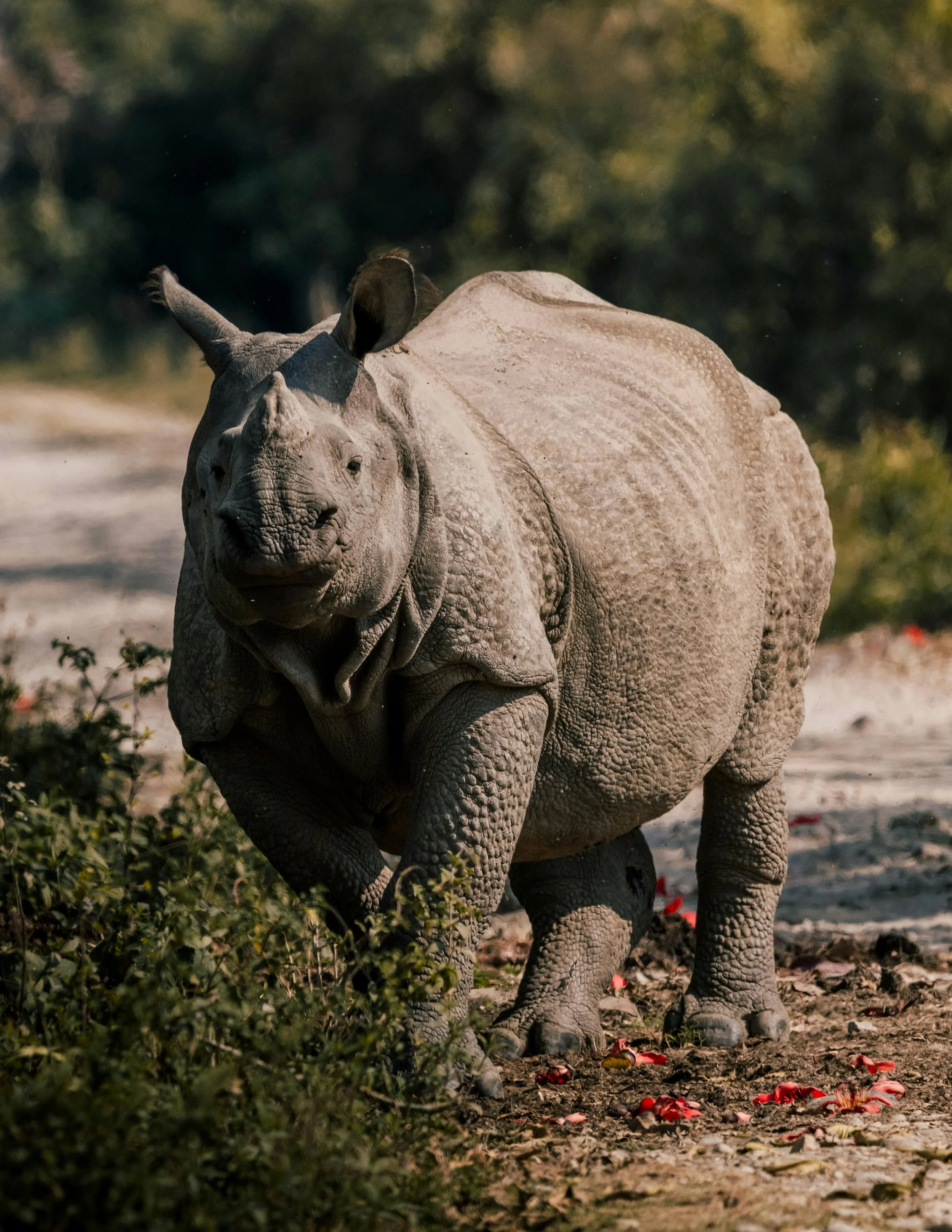
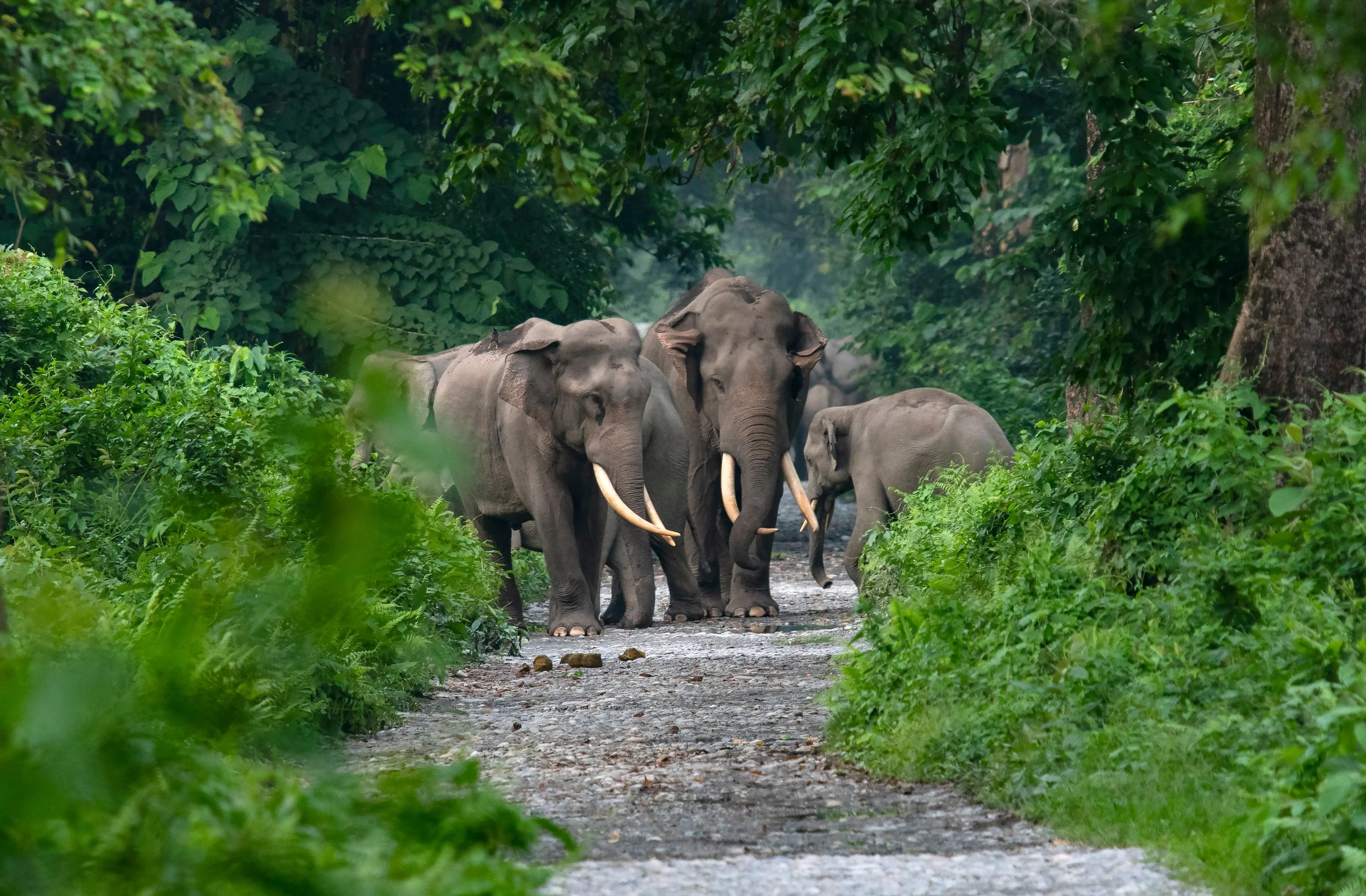
Kaziranga National Park is one of India’s most celebrated wildlife reserves, famed for its population of the great one-horned rhinoceros and a high density of tigers. It is also home to elephants, wild water buffalo, and swamp deer, set within a rich landscape of tall elephant grass, wetlands, and tropical forests. With over 450 species of birds, the park is a haven for birdlife.
Stretching along the southern banks of the Brahmaputra River, Kaziranga’s floodplains, forests, and waterways create an exceptional habitat for wildlife. Exploring the park—traditionally on elephant back—offers a rare and intimate way to experience this remarkable ecosystem.
Explore Kaziranga National Park by jeep or on an elephant-back safari for the best chance of spotting wildlife within a limited time. Accompanied by an expert forest guard and guide, you can traverse one of three designated routes—Kohora, Baghori, or Agaratoli—each offering a distinct perspective of the park.
-
The Kohora range, the largest, provides a sweeping introduction to Kaziranga, with sections running alongside a rivulet rich in aquatic life. Baghori and Agaratoli are equally rewarding, known for their abundant wildlife sightings and varied terrain.
Declared a tiger reserve in 2006, Kaziranga is renowned for having one of the highest densities of tigers in the world, making every safari an experience filled with anticipation and discovery.

[ Highlights ]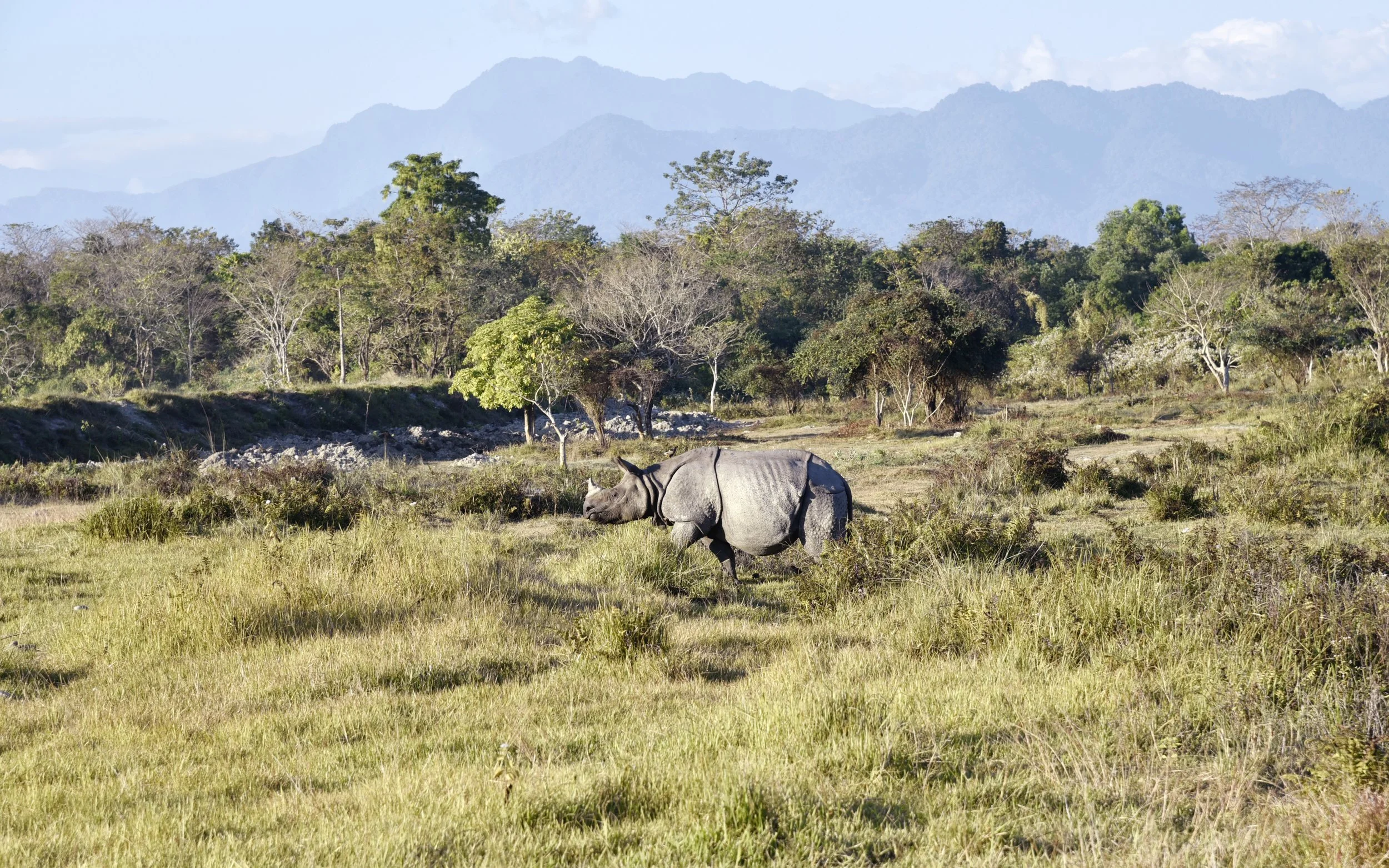
Manas National Park
Manas National Park is a UNESCO World Heritage Site, as well as a designated Project Tiger reserve, Elephant Reserve, and Biosphere Reserve. Set in the Himalayan foothills along the border with Bhutan, it is one of India’s most ecologically rich landscapes.
The park is renowned for its remarkable wildlife, including the smooth-coated otter, Gangetic dolphin, hispid hare, sloth bear, and the rare pygmy hog. It is also home to clouded leopards, panthers, and Asiatic elephants, making it a haven for biodiversity.
[ HIGHLIGHTS ]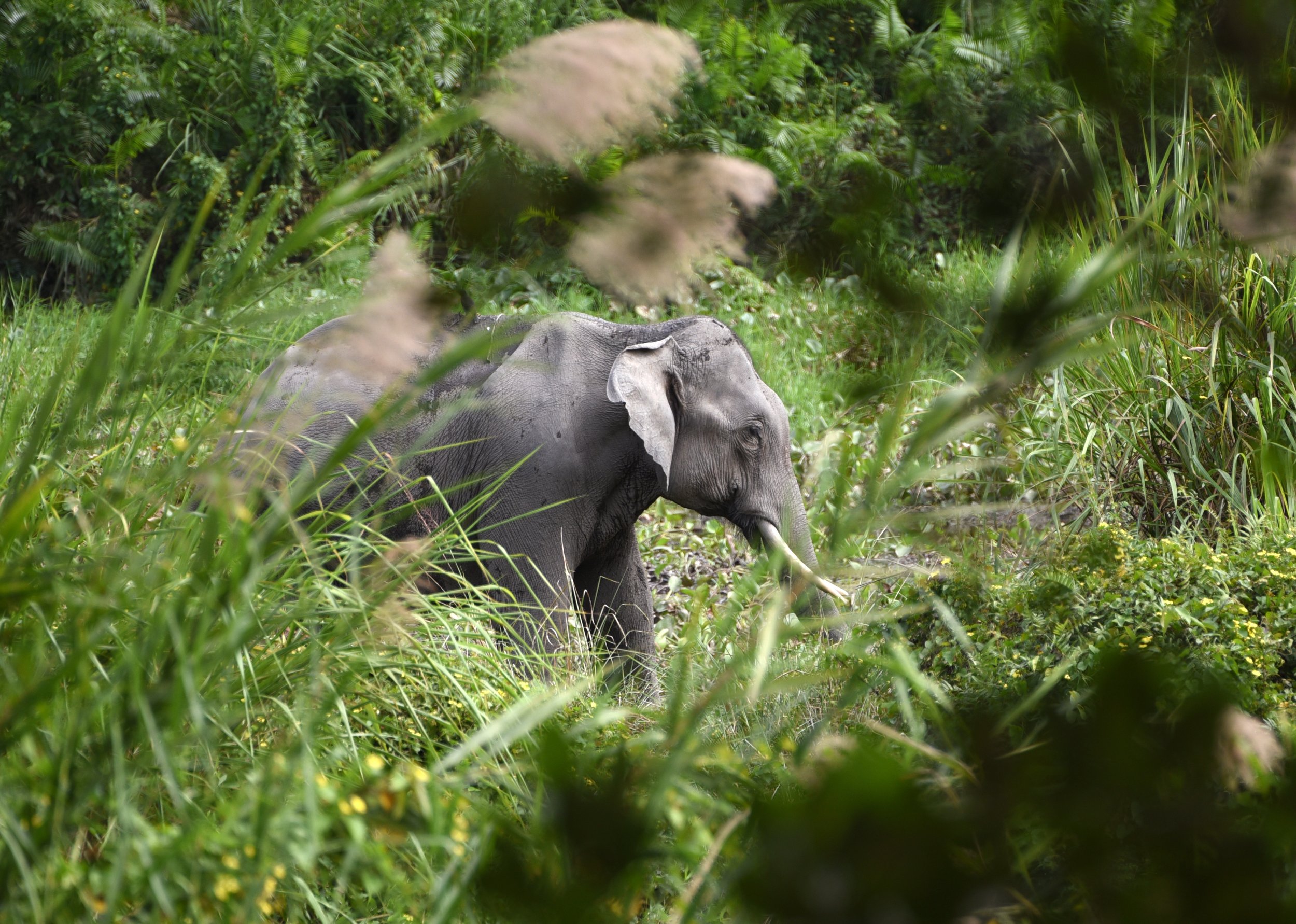
Nameri National Park lies at the foothills of the blue mountains of Arunachal Pradesh, once part of the North East Frontier Agency. This pristine wilderness is renowned for its excellent birdwatching, with species such as the great hornbill frequently sighted.
The park also offers the chance to encounter wild elephants, adding to the sense of adventure in this serene and unspoilt landscape.
Nameri National Park
[ Highlights ]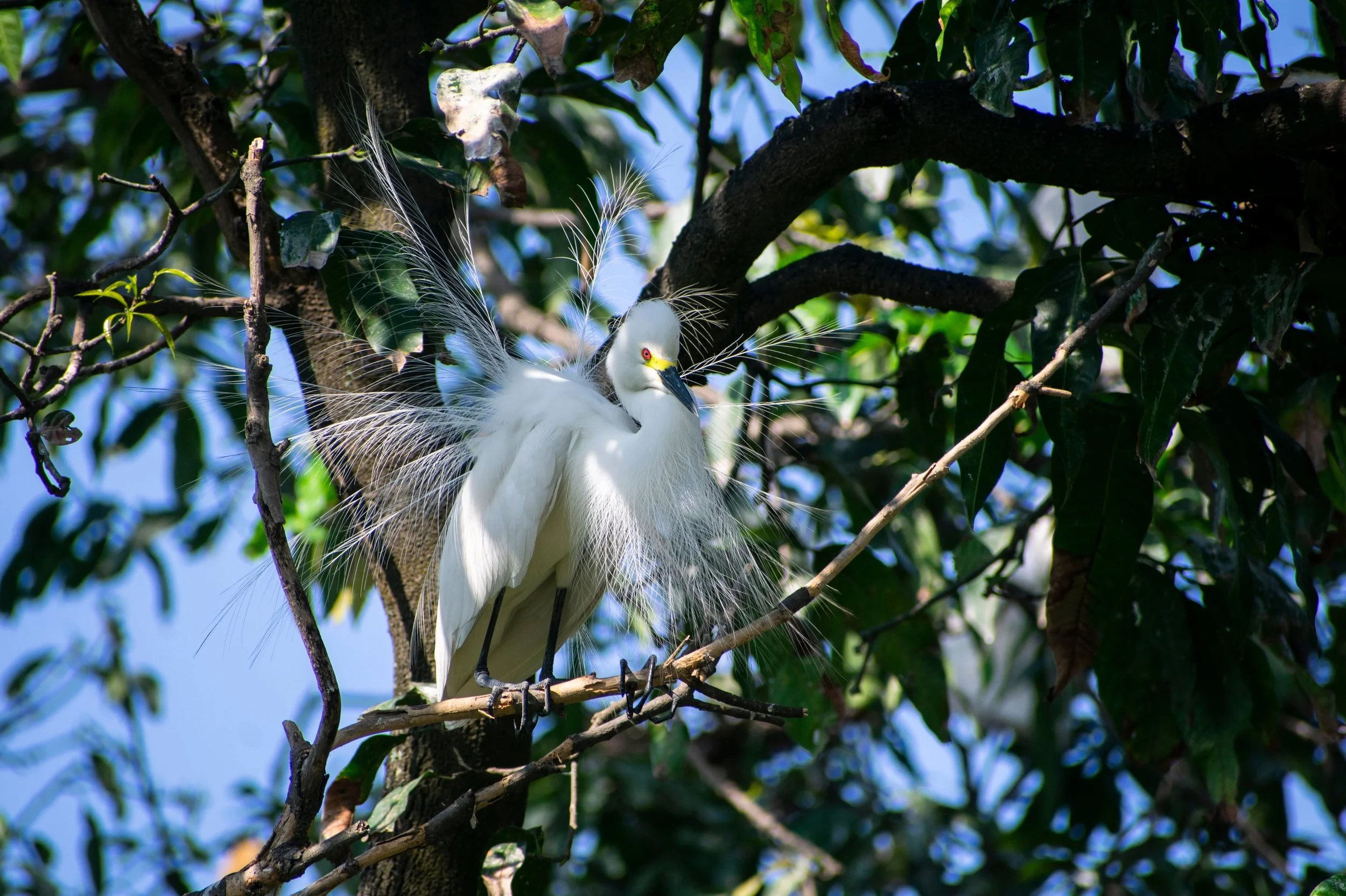
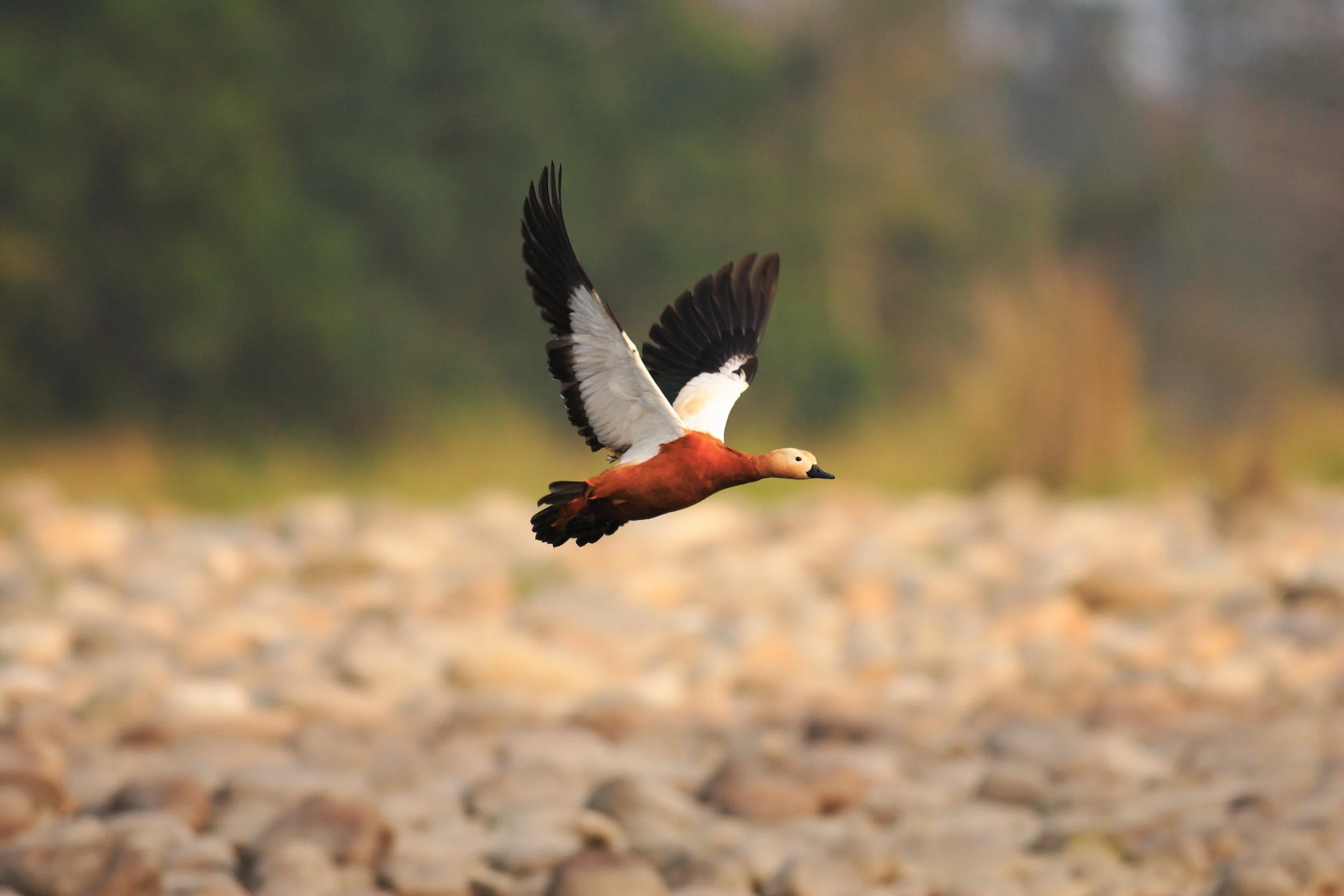
Kaziranga National Park, once home to several species of vultures that faced near extinction, is today recognised by BirdLife International as an Important Bird Area (IBA), reflecting its vital role in avian conservation.
Its mosaic of wetlands, grasslands, and seasonal floodplains attracts both resident and migratory birdlife, making it a thriving habitat for hundreds of species. While a few vultures can still be spotted, the park’s rich diversity of birds ensures a rewarding experience for birdwatchers, cementing Kaziranga’s reputation as a true avian paradise.