

CENTRAL INDIAMADHYA PRADESH
gwalior26.2124° N, 78.1772° E[ OVERVIEW ]Madhya Pradesh offers a captivating blend of dense forests, ancient heritage, and vibrant tribal culture. Renowned for its rich wildlife, it is among India’s premier destinations for tiger sightings, along with leopards, sloth bears, deer, and exceptional birdlife.
Beyond its wilderness, the state reveals layers of history through its historic architecture, living traditions, and colourful festivals—creating journeys where nature and culture come together in truly unforgettable ways.
[ HIGHLIGHTS ]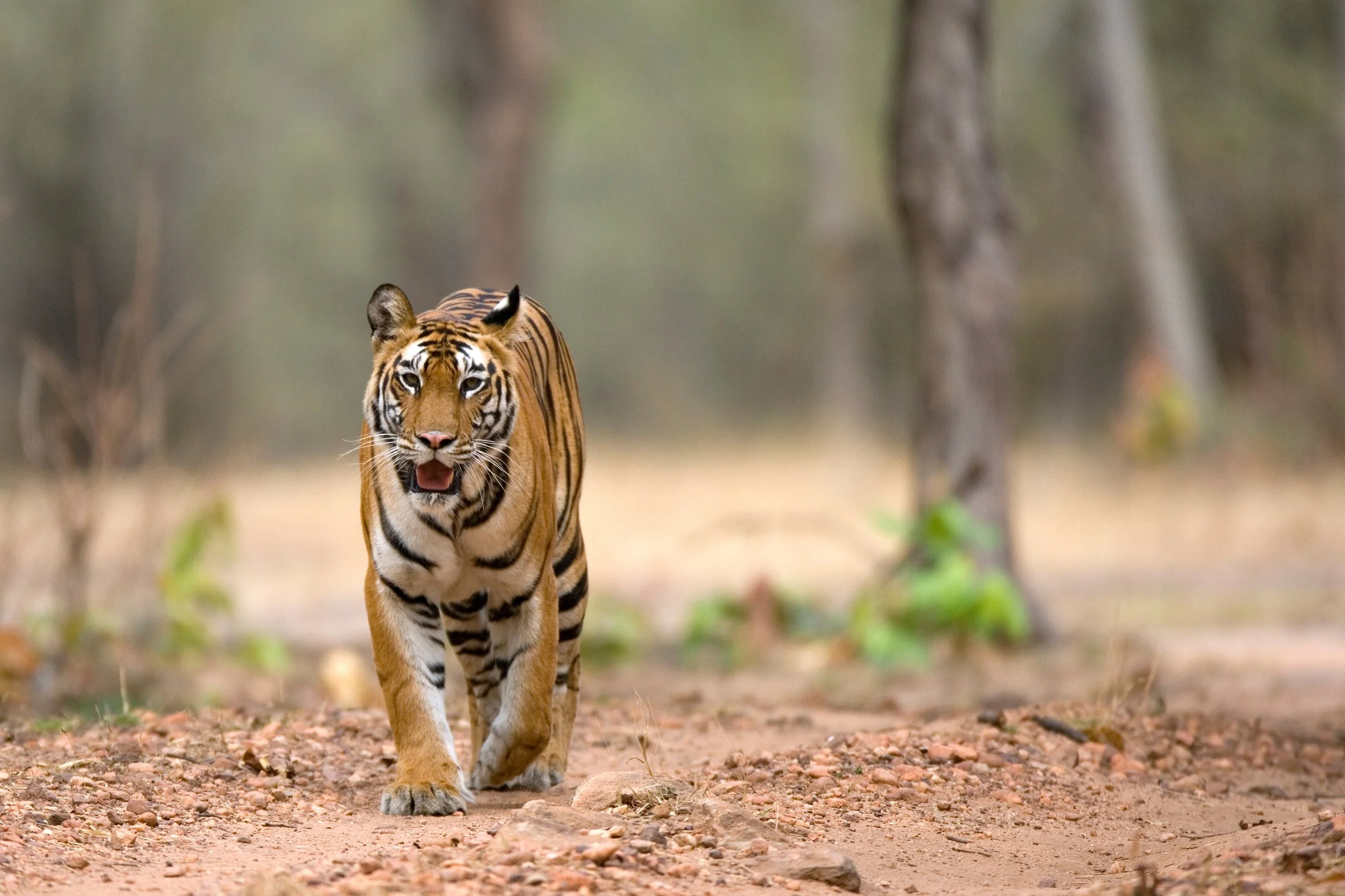
Into the Wild Satpura
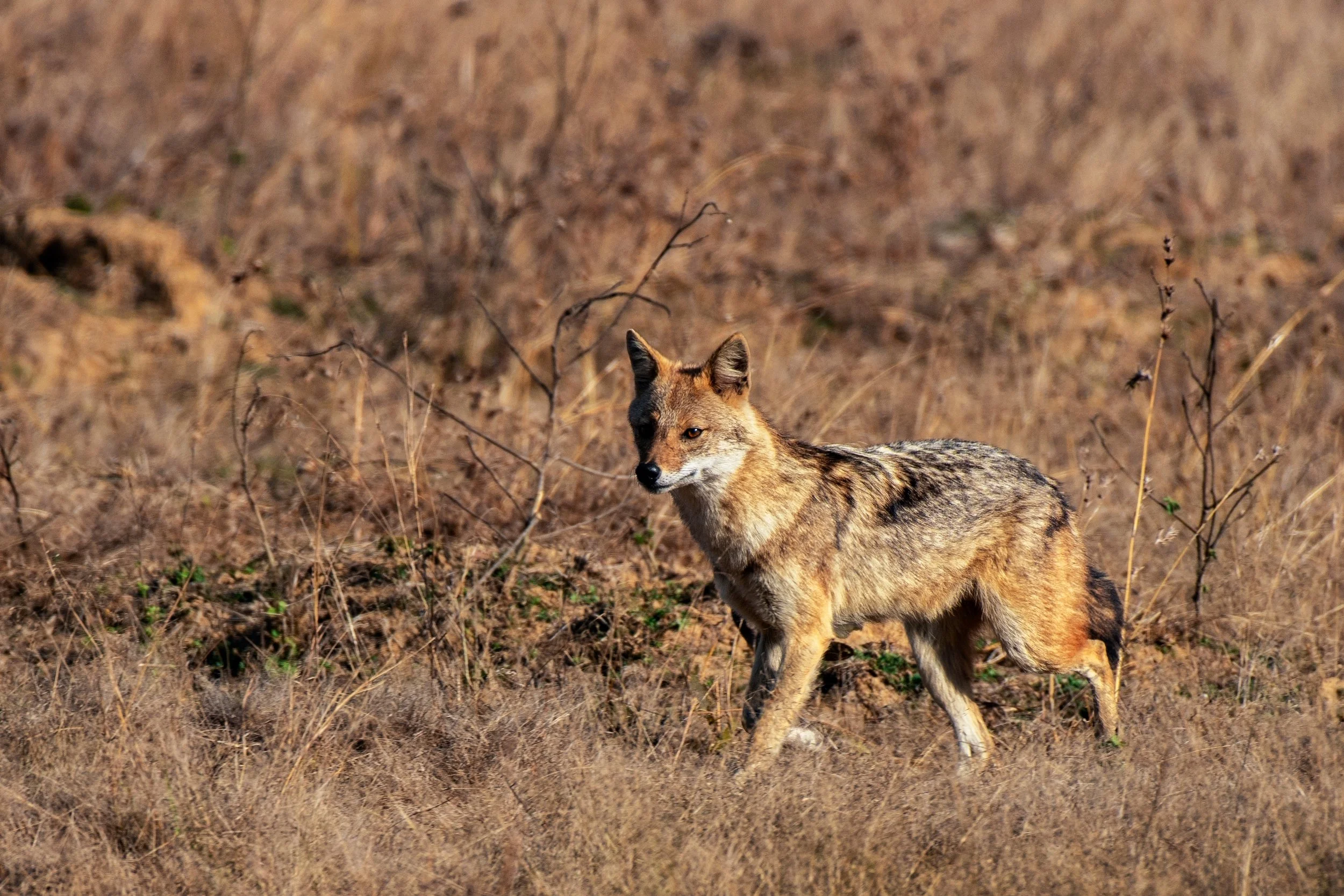
Set amidst the lush, rural landscape of Dhapada village, Bori Safari Lodge is a charming retreat spread across 7½ acres of farmland. Located in one of Madhya Pradesh’s emerging tiger landscapes, the surrounding forests are home to tigers, leopards, sloth bears, wild dogs, giant squirrels, and a rich diversity of Central Indian birdlife.
Beyond wildlife, the experience is deeply rooted in local culture. Village walks and anthropological excursions offer insight into traditional ways of life in Dhapada, creating meaningful connections with the community.
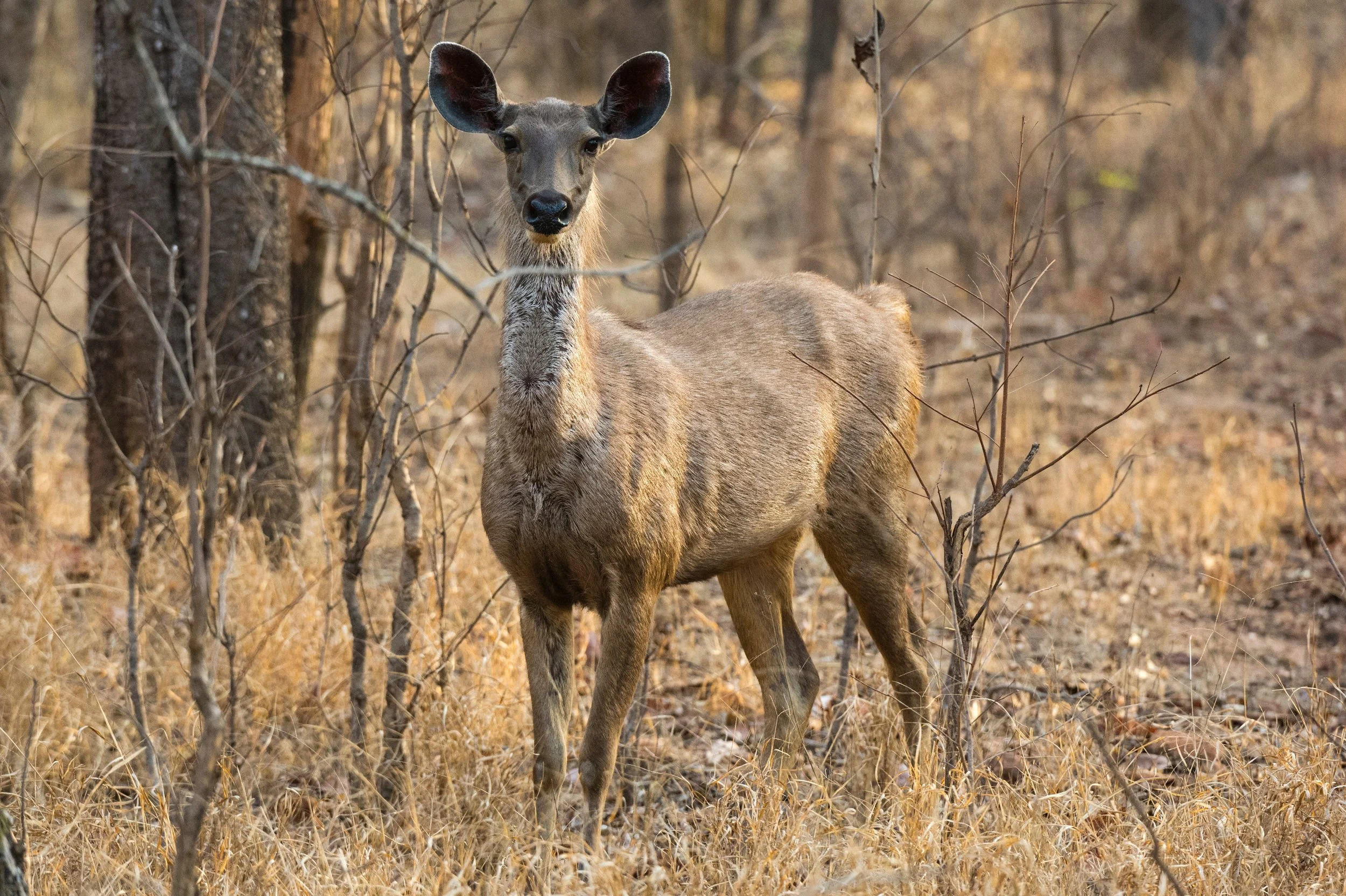
Set along the banks of the Tawa River, Bori Wildlife Sanctuary—one of India’s oldest sanctuaries—hosts an abundance of wildlife, including sambar, gaur, nilgai, chital, and formidable predators such as tiger, leopard, and wild dogs.
[ Highlights ]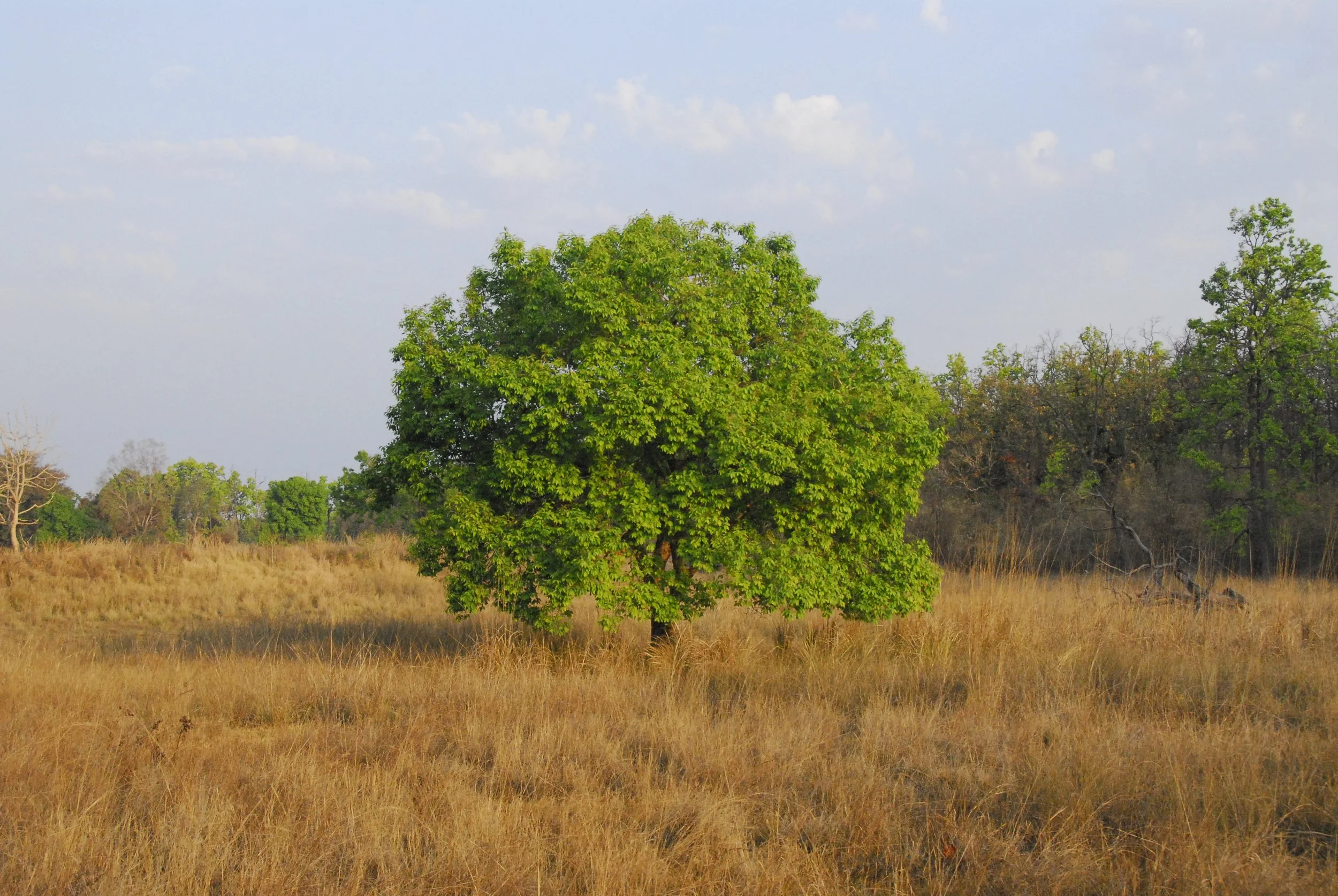
Bandhavgarh, Kanha, Pench, Panna National Park
Bandhavgarh National Park, spread across 105 sq. km in the Vindhya range, is renowned for having one of the highest densities of tigers in India. Once a royal hunting preserve of the Maharajas of Rewa, it was declared a national park in 1968 and later brought under Project Tiger in 1993.
Located in eastern Madhya Pradesh, the park’s landscape is a mix of tropical dry and moist deciduous forests interspersed with grasslands. Sal forests dominate the valleys, while bamboo thrives across the terrain, creating a rich habitat for wildlife.
Beyond Bandhavgarh, Madhya Pradesh is home to some of India’s finest wildlife reserves, including Kanha National Park, Pench National Park, and Panna National Park—each offering exceptional opportunities to encounter tigers, leopards, and a rich diversity of flora and fauna.
-
As you approach the lodge, you are transported to a charming Tuscan village feel. Built without a scar to a tree, and with hand-moulded bricks, they have solar and water energy and employ the culture of less is more. Varied delicate menus from cold cucumber mint soup to barbecues, served in different locales; in the bush, terrace or indoors, you are always in touch with yourself. Creatively decorated with both open-air and closed bathrooms, there is a strong emphasis on sustainable tourism, environment, and support to the local community.
[ HIGHLIGHTS ]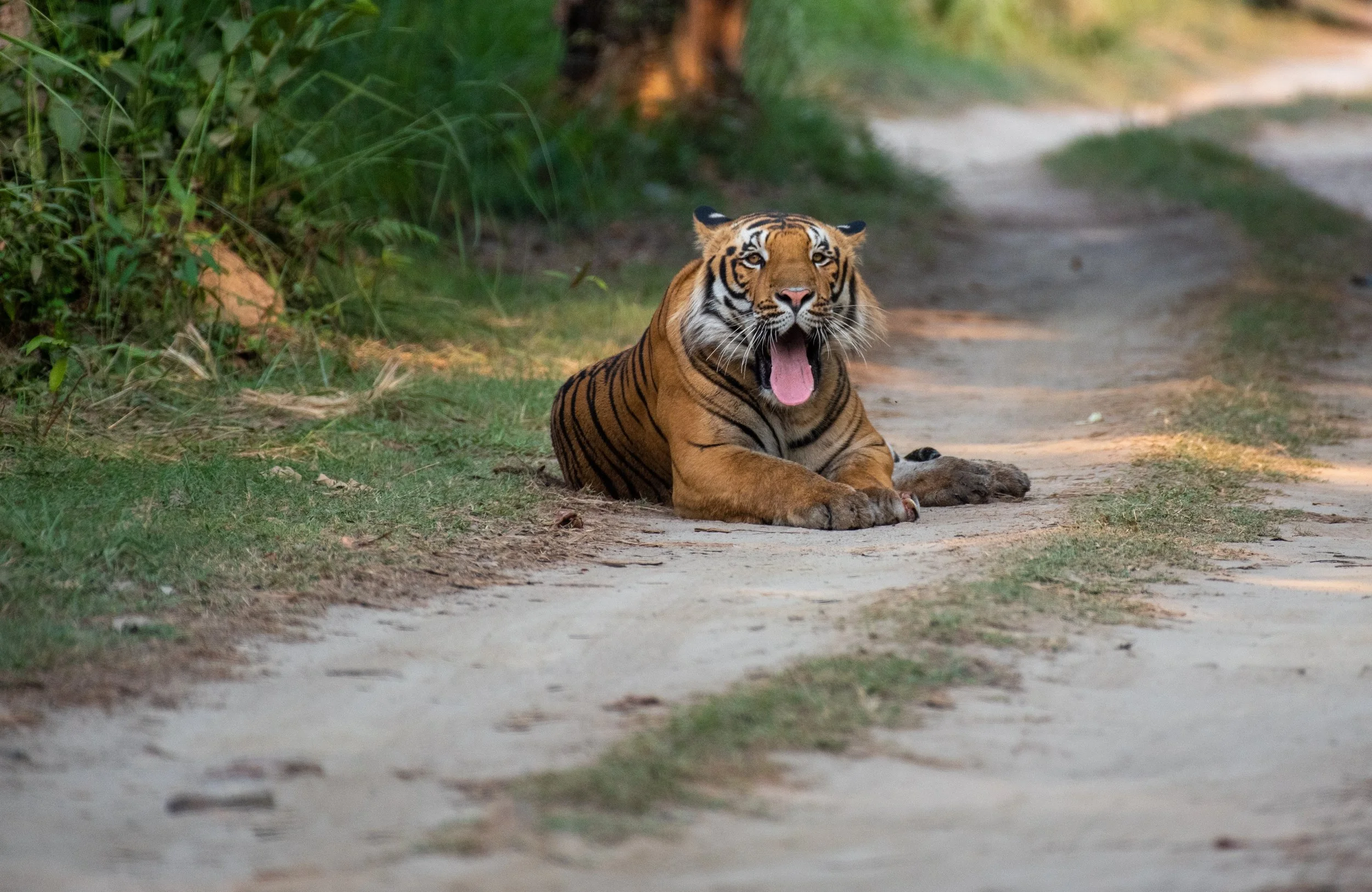
Bandhavgarh
Bandhavgarh National Park is famed as the place where the legendary white tiger was first discovered. Today, it offers some of the best opportunities in India to spot the elusive big cat.
Explore the park by open jeep or on an elephant-back safari, venturing out at dawn or in the late afternoon with an expert naturalist. Their keen eye reveals not only the larger wildlife but also the intricate details of the forest ecosystem.
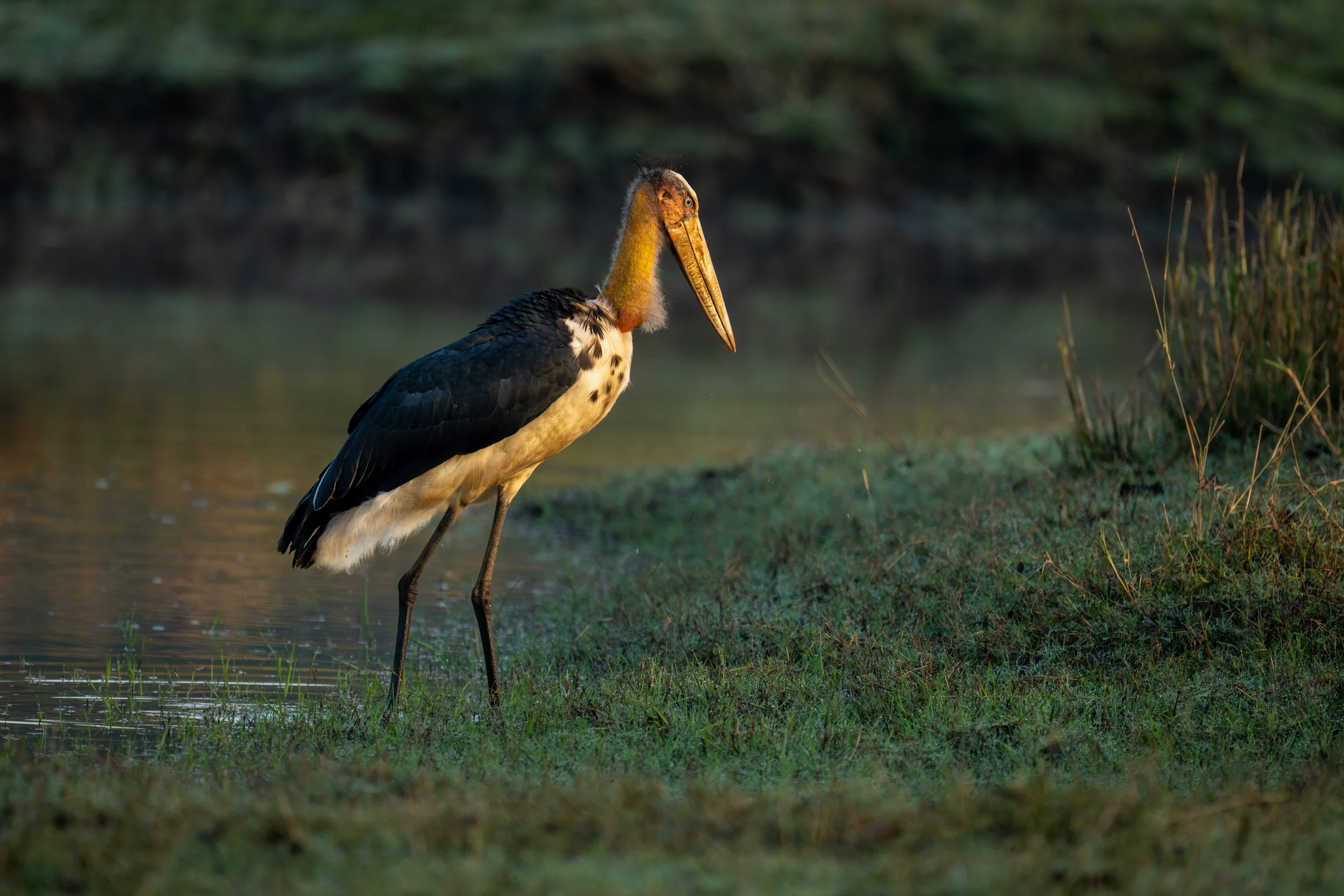
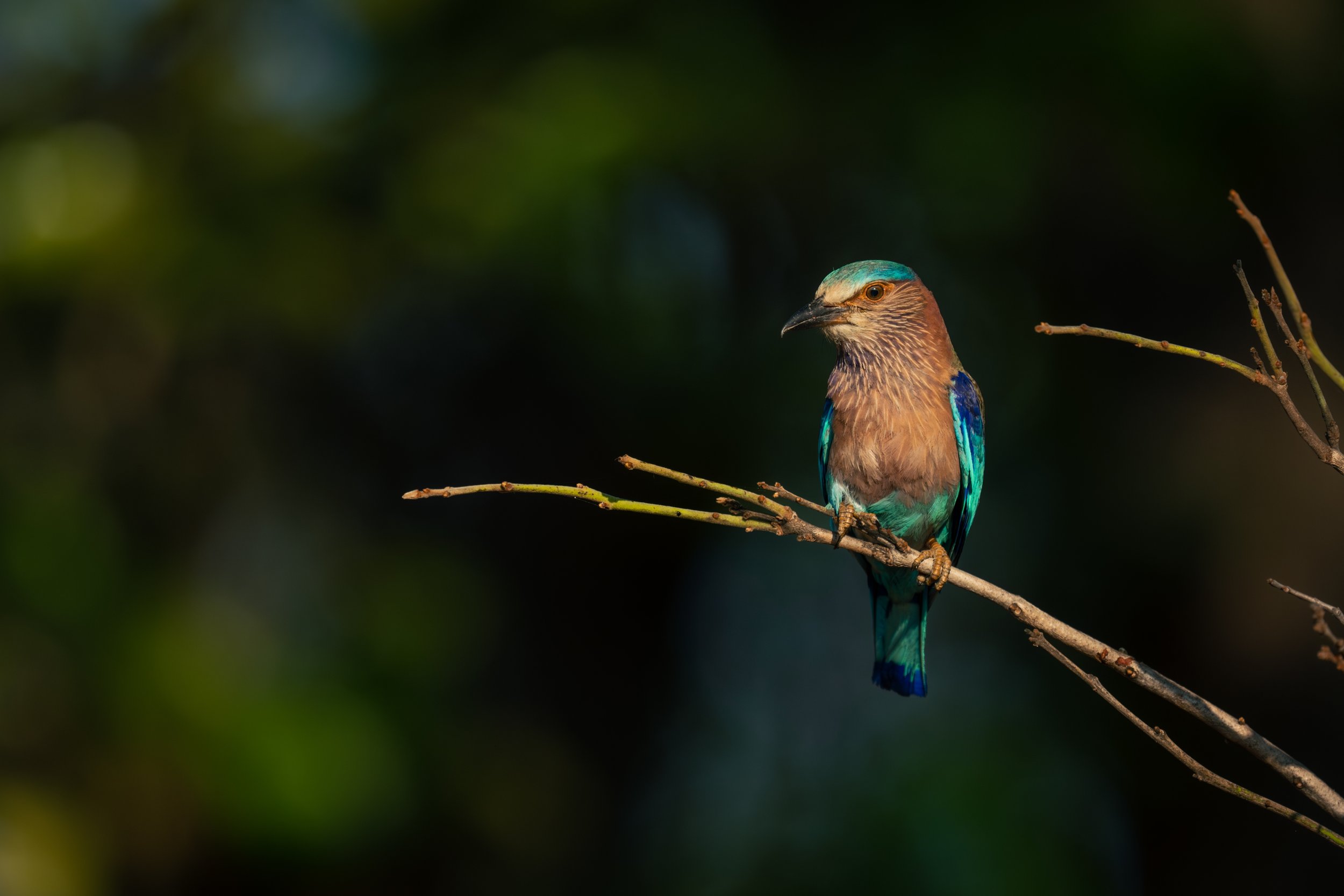
Bandhavgarh is equally rewarding for birdwatchers. Its many water bodies attract both resident and migratory species, with spots like the Mahaman Pond offering excellent vantage points for observing the park’s rich birdlife.
[ Highlights ]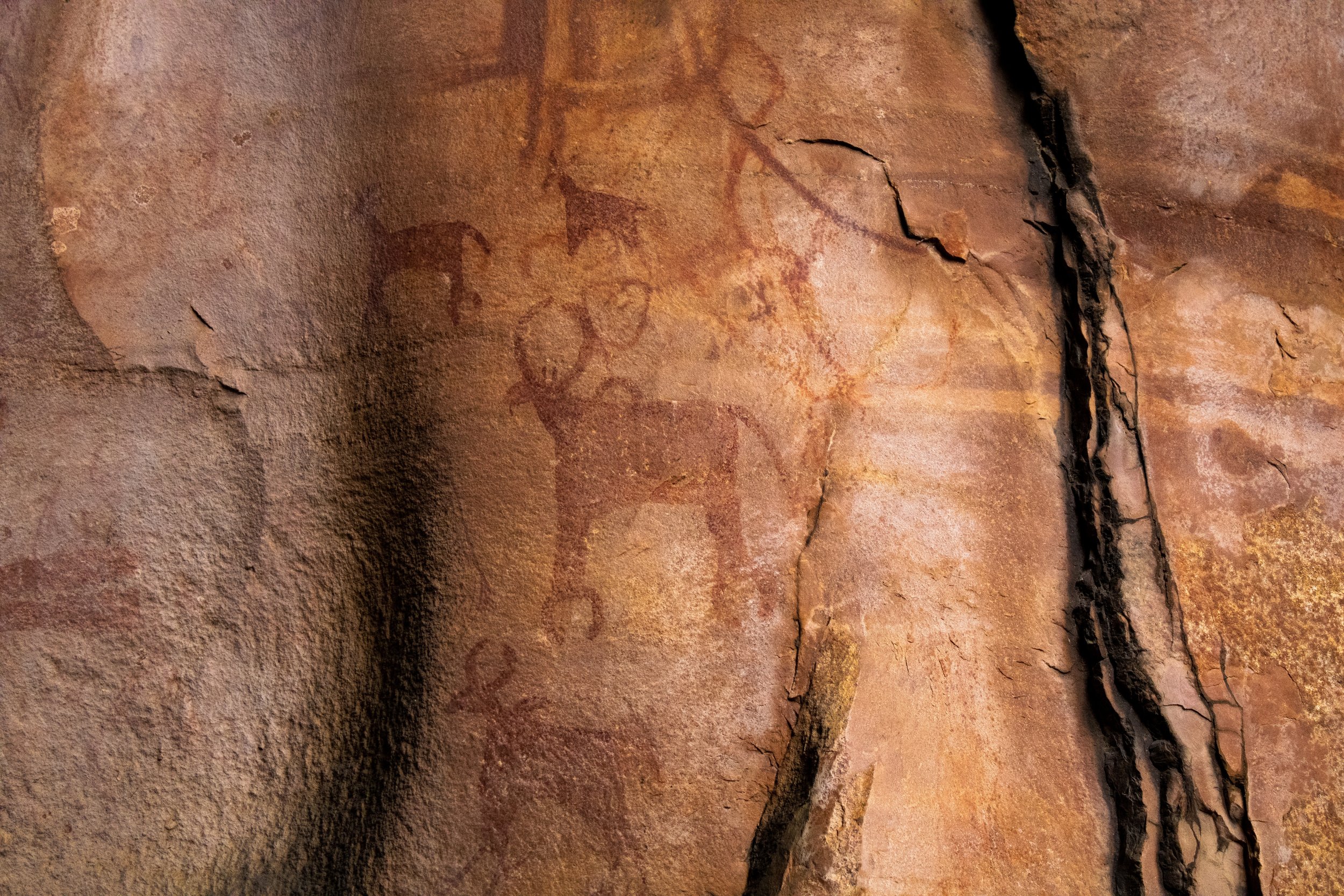
Bandhavgarh National Park is not only rich in wildlife but also steeped in history, with layers of heritage spanning over two millennia. Scattered across the park are more than 35 sandstone caves, adorned with Brahmi inscriptions and sculpted figures, some dating back to the 1st century BCE. Notable sites such as Sheshaiya, Badi Gufa, and the caves at Three Cave Point offer a fascinating glimpse into the region’s ancient past.
Dominating the landscape is the imposing Bandhavgarh Fort, perched atop Bandhavgarh Hill. Believed to be over 2,000 years old, the fort is steeped in legend—from references in the Ramayana to associations with Kabir and the reign of Akbar—and remains an enduring symbol of the region’s storied past.
Bandhavgarh Heritage
[ HIGHLIGHTS ]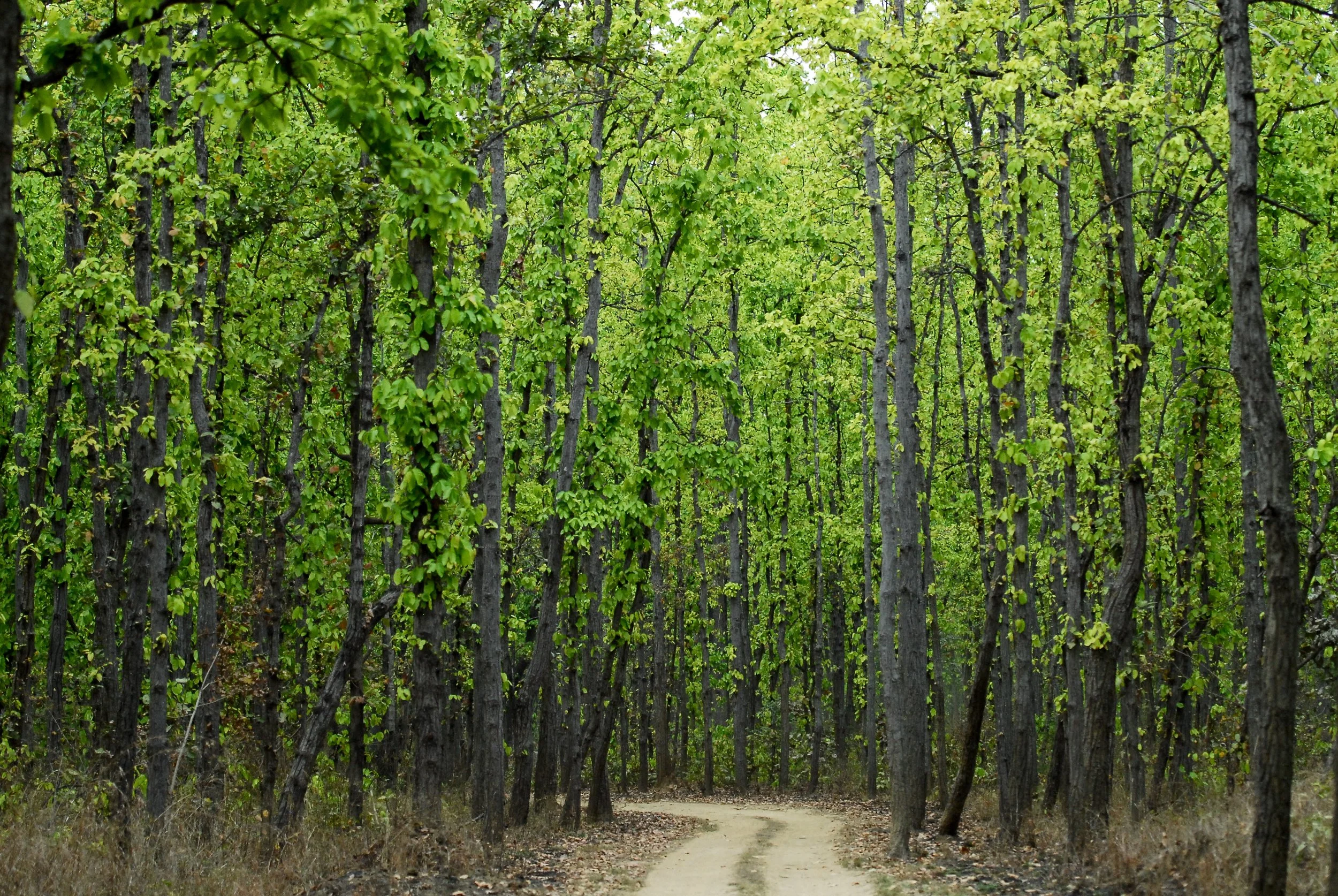
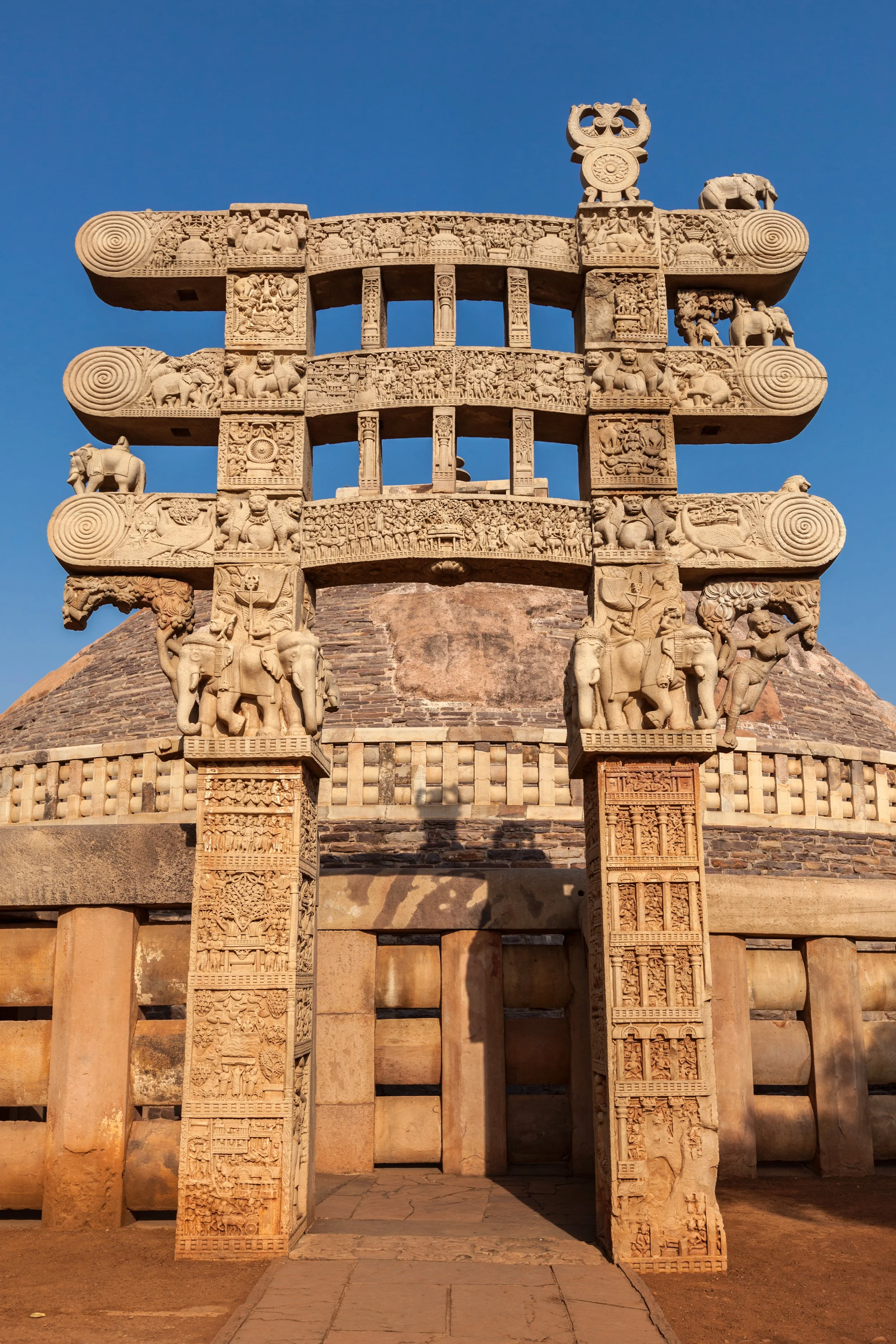
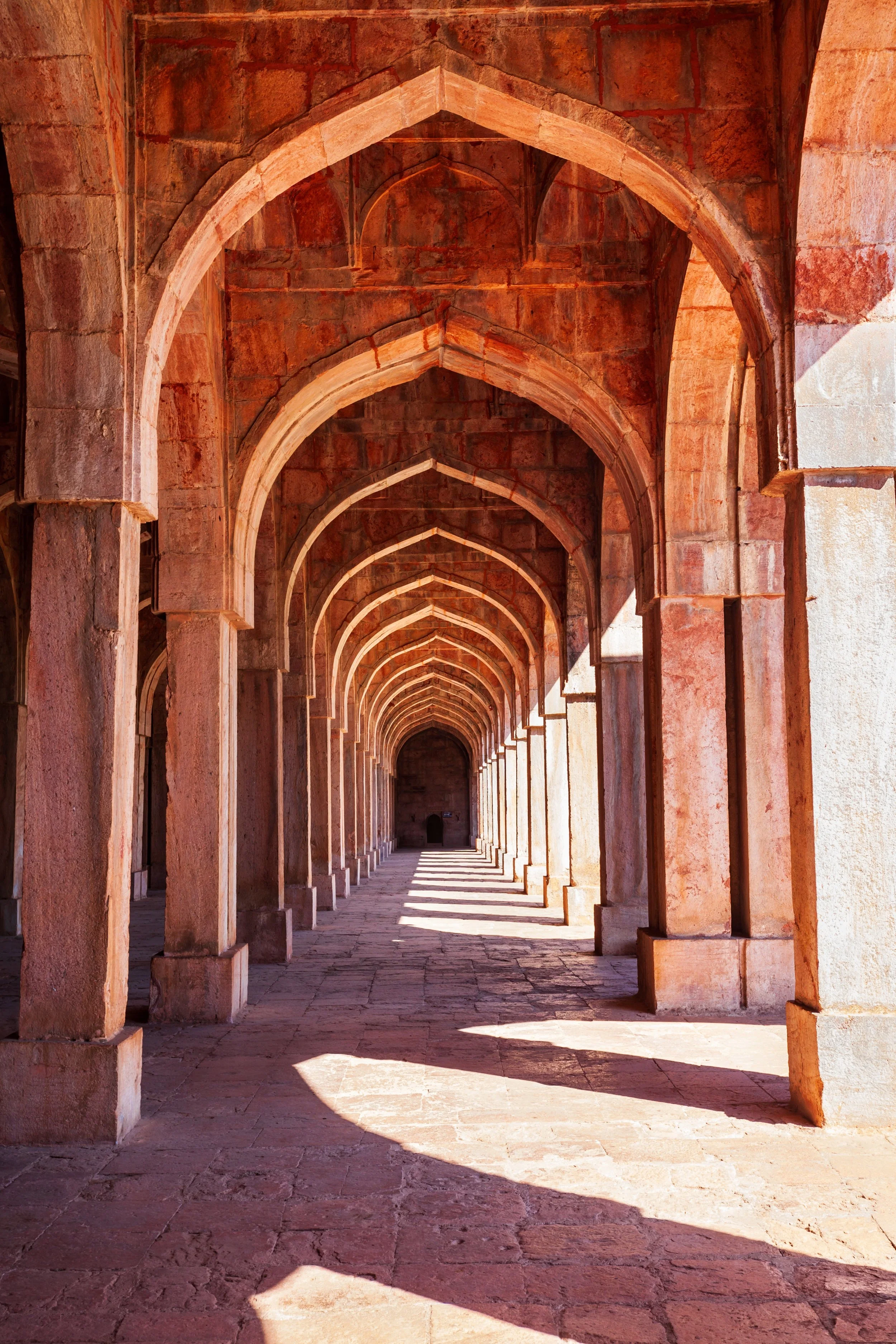
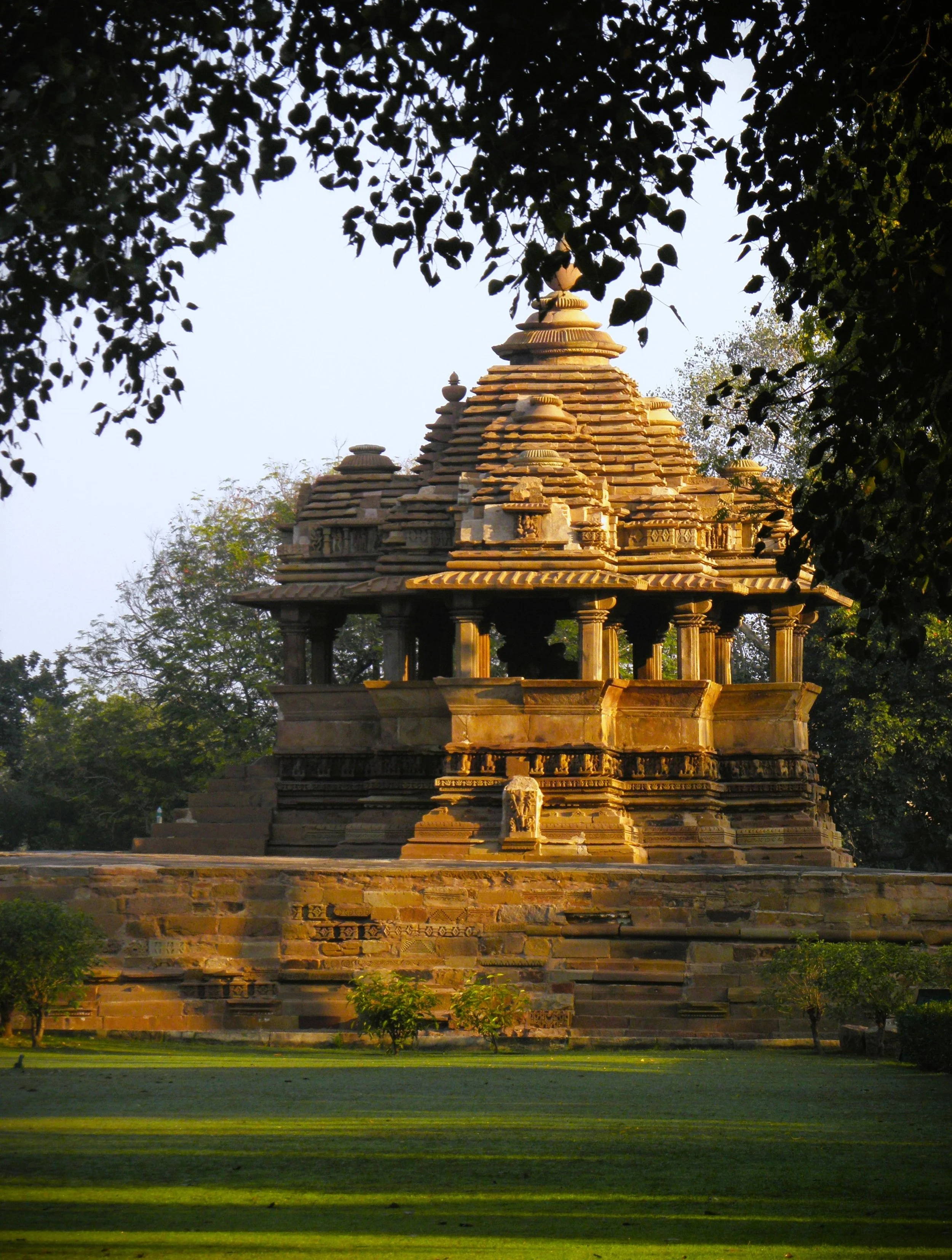
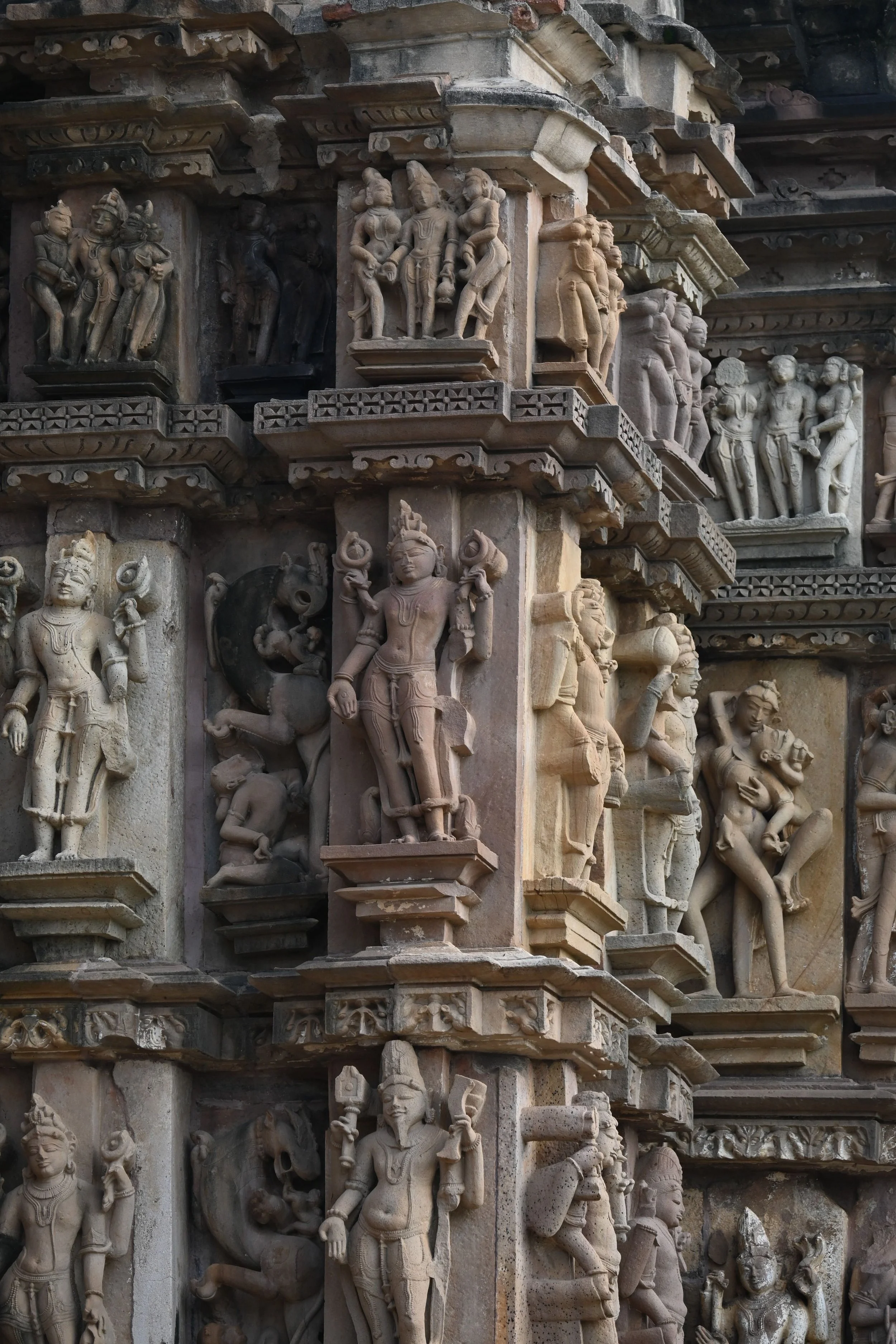
From rugged ravines and dense forests to ancient temples, Madhya Pradesh offers a rich blend of nature and culture. The iconic Khajuraho Group of Monuments—a UNESCO World Heritage Site—stands as a striking introduction to the state’s heritage.
Across key reserves such as Panna National Park, Bandhavgarh National Park, Kanha National Park, and Pench National Park, select lodges combine a light ecological footprint with understated luxury.
An intimate four-villa forest lodge offers a deeply personal experience—rooted in conservation and simplicity. From organic, home-cooked meals to candlelit riverside settings, every detail fosters a quiet connection with the wild. Expert naturalists enrich the journey, revealing the forest’s finer intricacies—from butterflies to anthills.
Kanha National Park
-
The lush sal and bamboo forests, grassy meadows and ravines of Kanha were Rudyard Kipling’s inspiration for his famous ‘Jungle Book’. With 1945 sq kms, it is one of the largest parks of the subcontinent and a good place to see the critically endangered tiger in the wild and the rare hard ground swamp deer.
Most of the forest cover is of the tropical, moist, deciduous variety, and the national park encompasses over 1000 different plant species, 22 mammals and some 300 varieties of birds. Two rivers flow through it: the banjar and the perennial halon river. A number of tanks and dams support the two rivers in providing a supply of water for the park inhabitants.
[ Highlights ]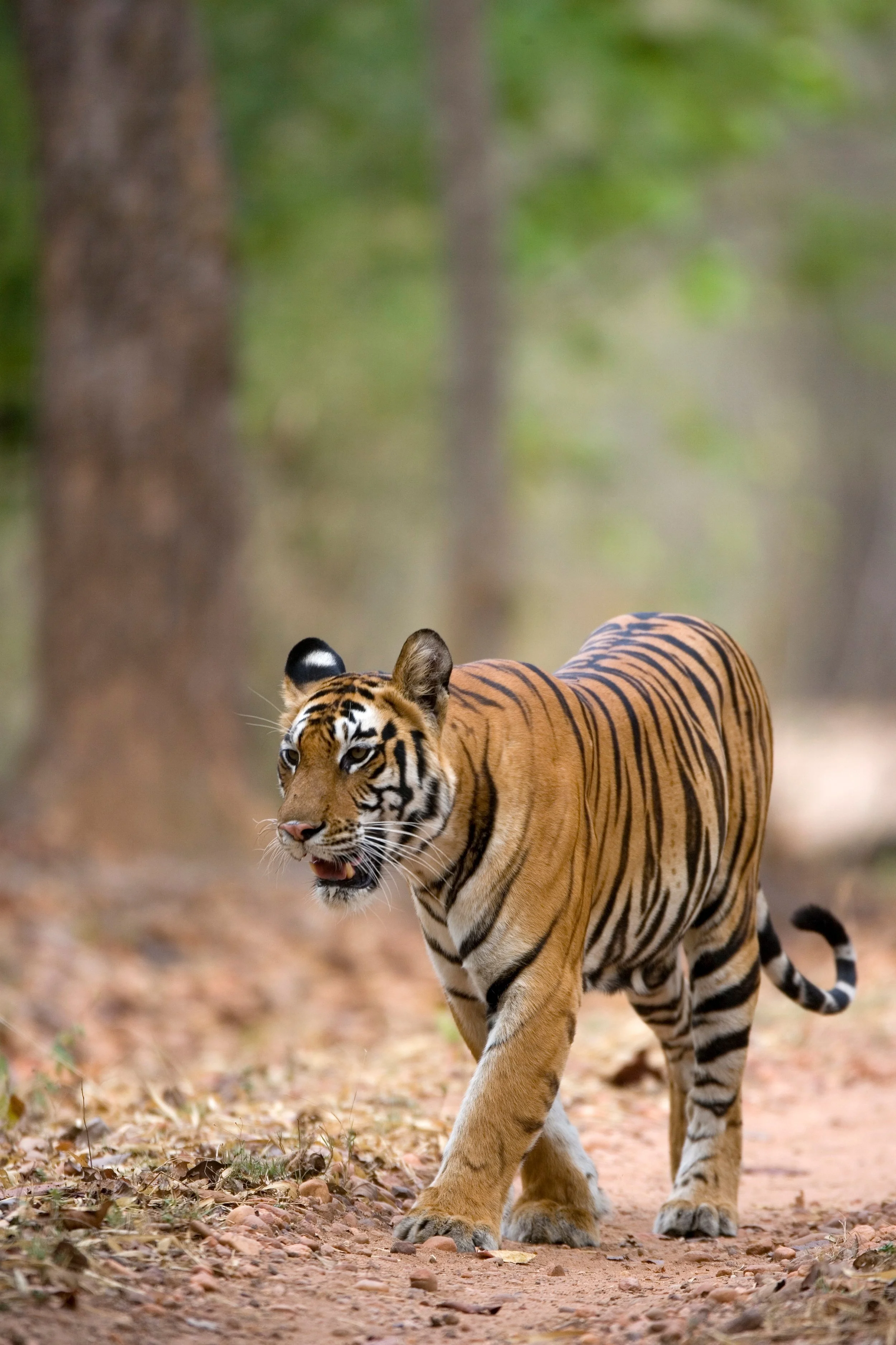
Kanha National Park is one of India’s finest tiger reserves, set in a sweeping horseshoe-shaped valley amid the Satpura ranges. Established as a sanctuary in 1933 and later a national park in 1955, it remains a cornerstone of India’s conservation success—particularly for the endangered barasingha.
The core zone, where human activity is strictly limited, offers the best chance of spotting the elusive tiger. Safaris by jeep or elephant, led by expert naturalists, take place in both the early morning and afternoon, maximising wildlife sightings.
Kanha is also a haven for birdlife, with numerous resident and migratory species. Guided walks in the buffer zones provide closer encounters, while Bamni Dadar—known as Sunset Point—offers one of the park’s most memorable views.