North-WEST IndiaRAJASTHAN
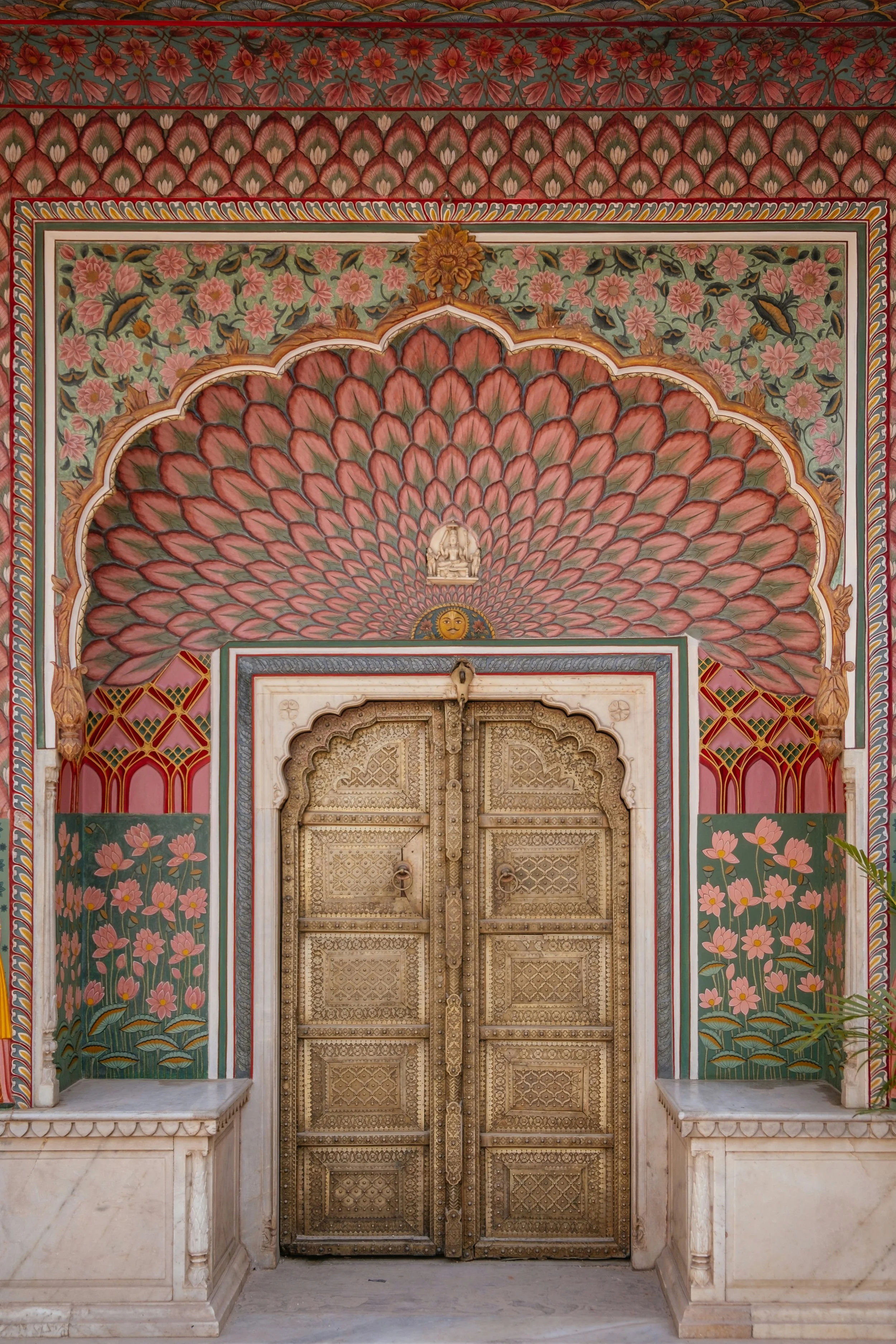
RANTHAMBORE25.9776° N, 76.5533° E[ OVERVIEW ]Rajasthan is a land of sweeping deserts, majestic forts and palaces, and vibrant living traditions. Rich in culture and colour, it offers unforgettable heritage experiences alongside remarkable wildlife.
From grand historic cities to wilderness reserves, safaris reveal tigers, leopards, antelope, and diverse birdlife—creating journeys that blend beauty, adventure, and timeless stories waiting to unfold.
[ HIGHLIGHTS ]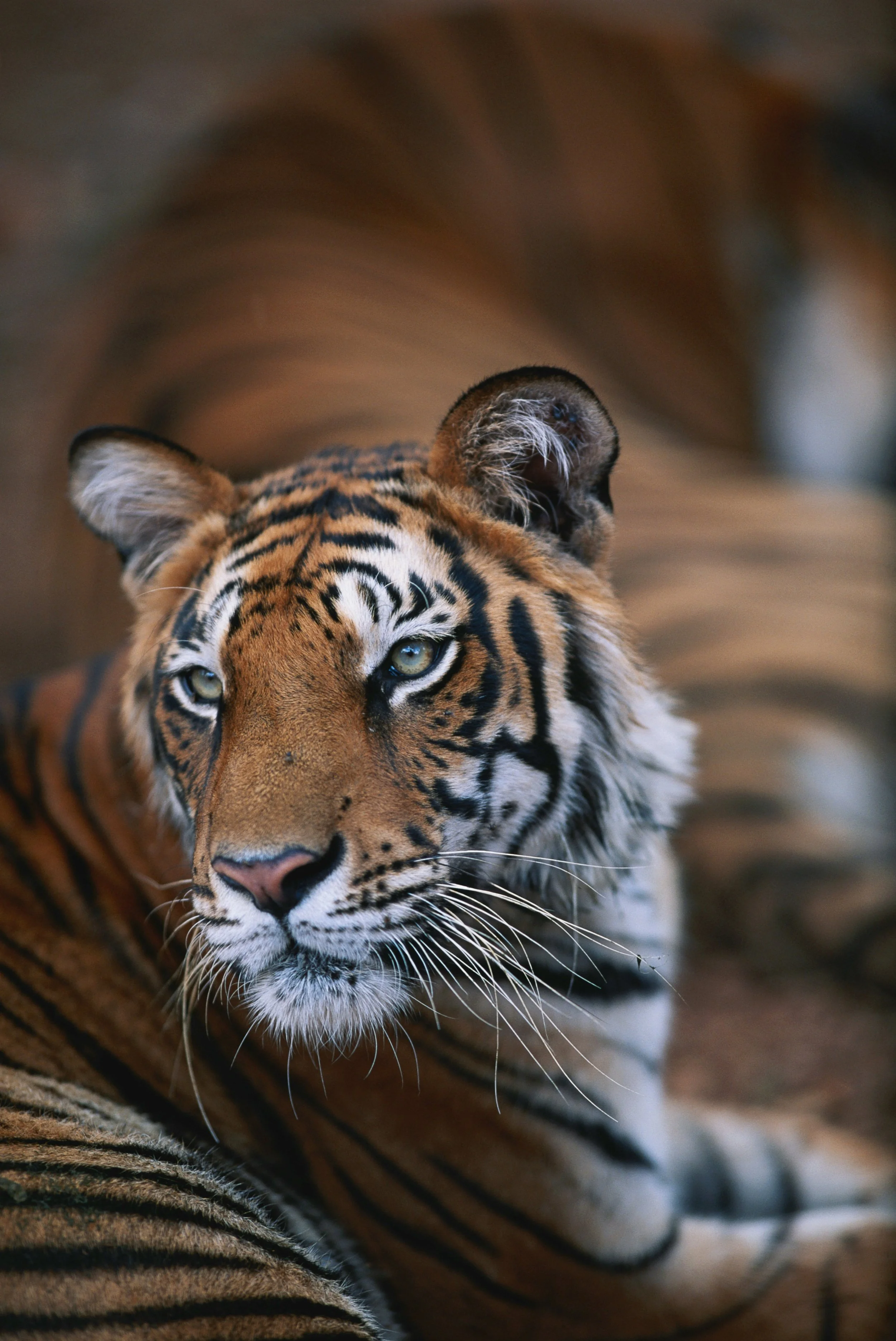
Set against the dramatic backdrop of Ranthambore Fort in the Aravalli hills, Ranthambore National Park is one of India’s most iconic tiger reserves. Spanning over 400 sq. km in the Sawai Madhopur region and easily accessible from Jaipur, it offers exceptional opportunities for wildlife viewing.
Located where the Vindhya and Aravalli ranges meet, the park was once the royal hunting ground of Jaipur’s maharajas before becoming a protected reserve under Project Tiger in 1974. Today, it is renowned for its thriving tiger population, alongside leopards, antelope, and a rich diversity of birdlife.
Characterised by dry deciduous forests, open grasslands, and scenic lakes, the park is sustained by the waters of the Banas River and Chambal River, creating a vibrant habitat for its wide array of wildlife.
Ranthambhore National Park
-
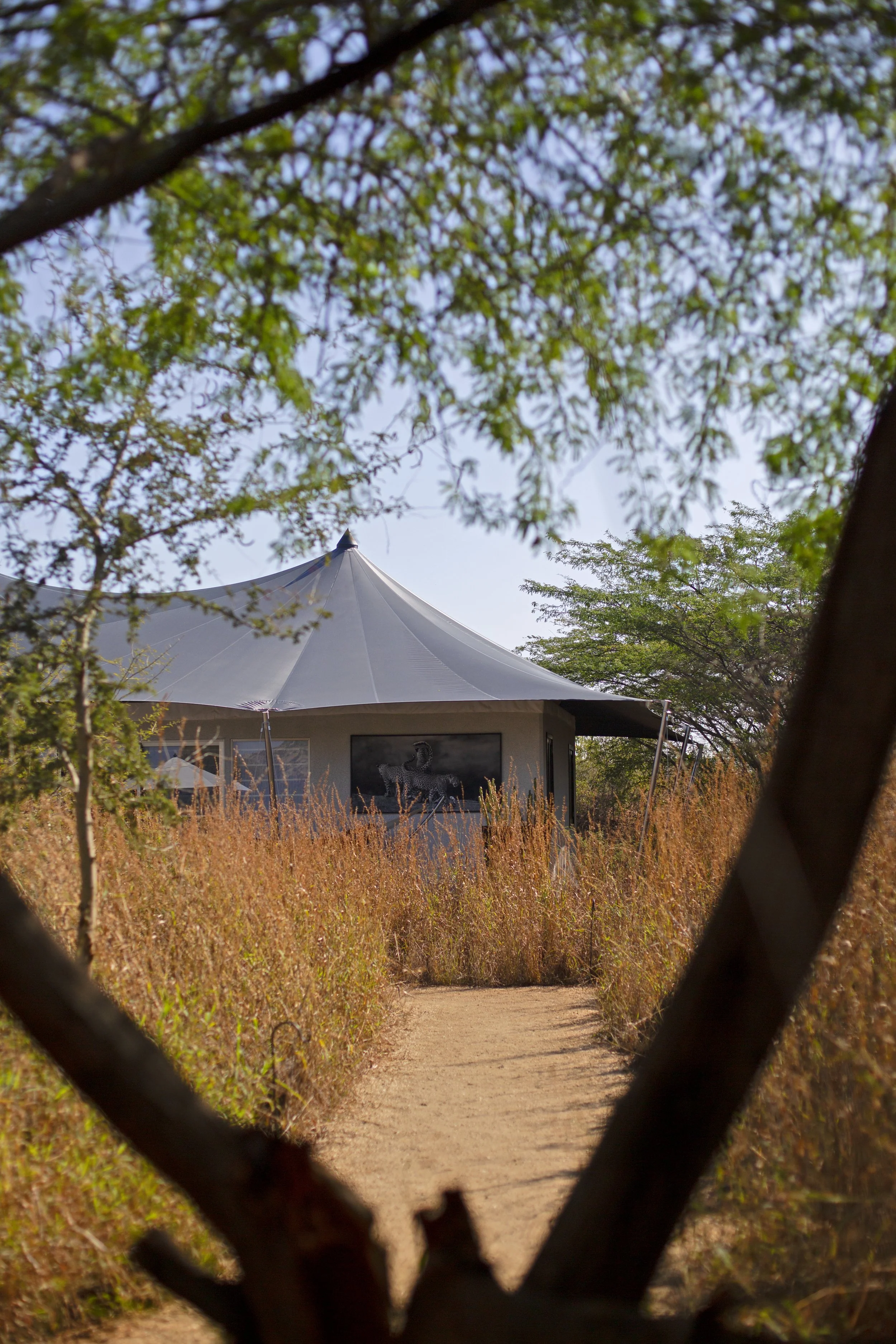
The lodge’s luxury tents matched with their post-colonial leather bound libraries is a haven for the gentleman explorer. It captures a character and a persona that fictitiously leads you on a journey through a different, cigar-smoking, gin-drinking, breeches-wearing, shooting-partridges time-all this with a contemporary, luxurious consciousness of subtlety and a care for the environment. A part of Relais & Châteaux, a family of hoteliers and Grand Chefs from all over the world who share a passion for and a personal commitment to ensure their guests have moments of exceptional harmony.
[ Highlights ]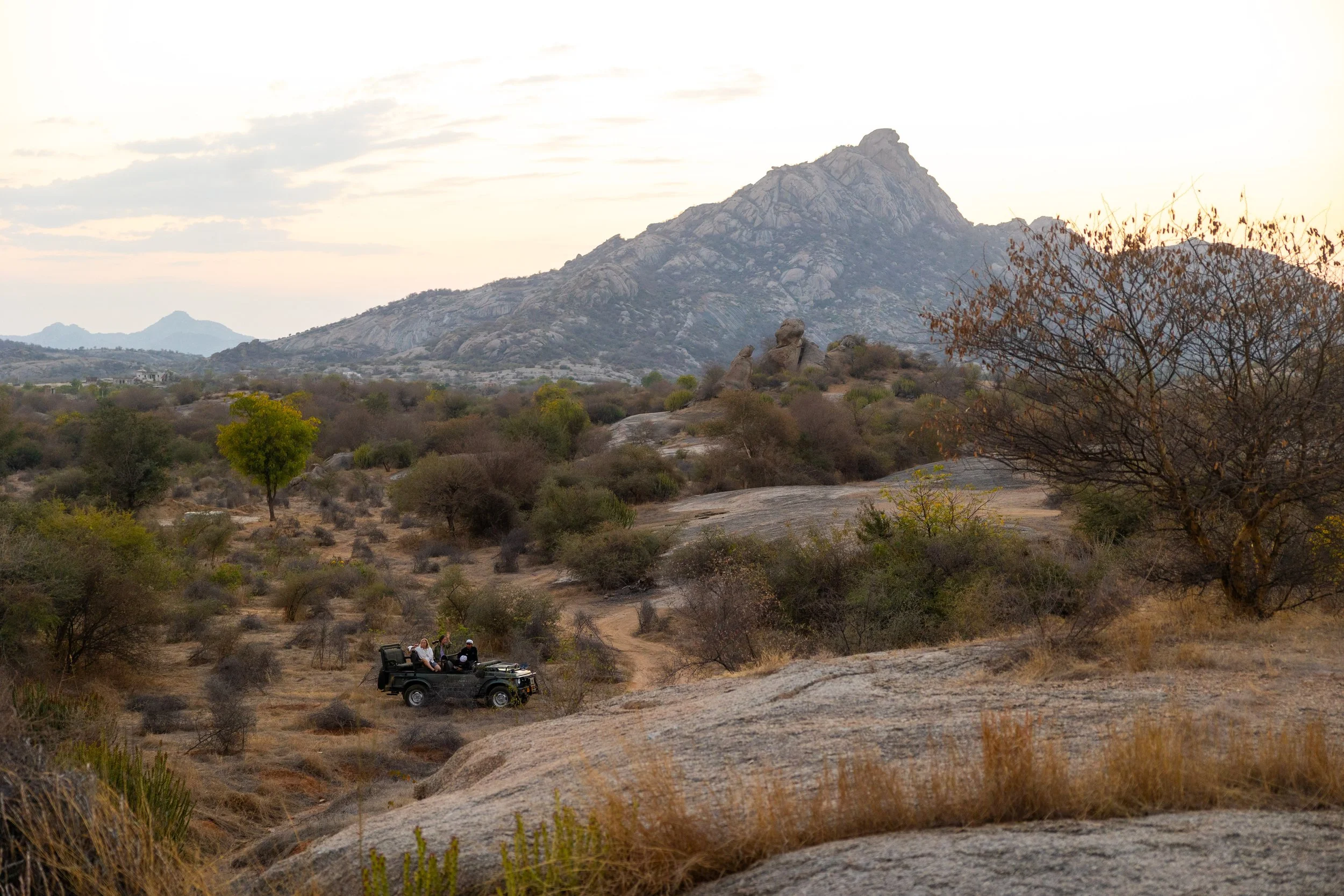
Safaris
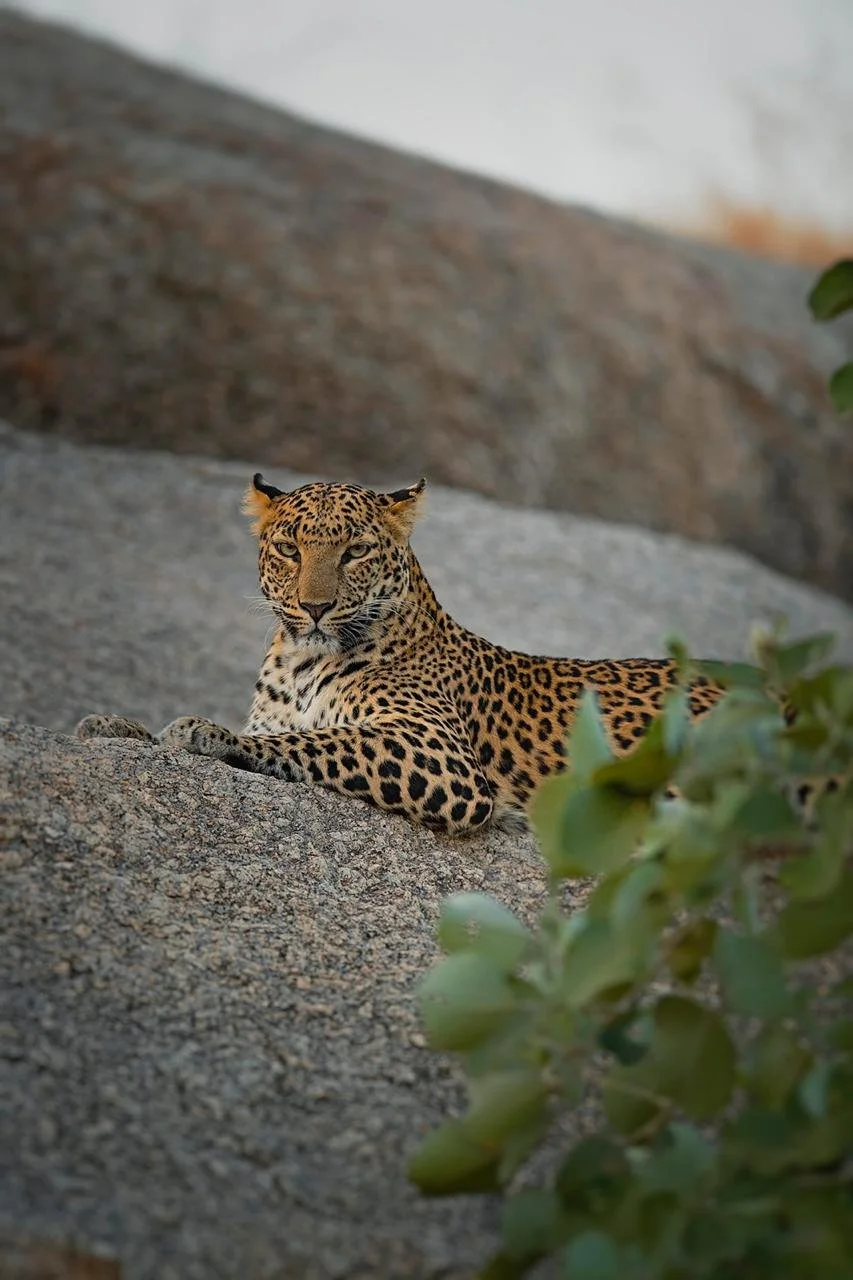
Safaris in Ranthambhore National Park, Kumbalgarh Wildlife Sanctuary, Keoladeo National Park (Bharatpur), Jawai, Sariska, and the Chambal region offer outstanding opportunities to experience India’s diverse wildlife.
Visitors may be fortunate enough to observe these majestic big cats as they patrol their territories, hunt, rest in the shade, or care for their cubs. Such close encounters in their natural habitat create unforgettable wildlife experiences and lasting memories for nature enthusiasts and photographers alike.

[ HIGHLIGHTS ]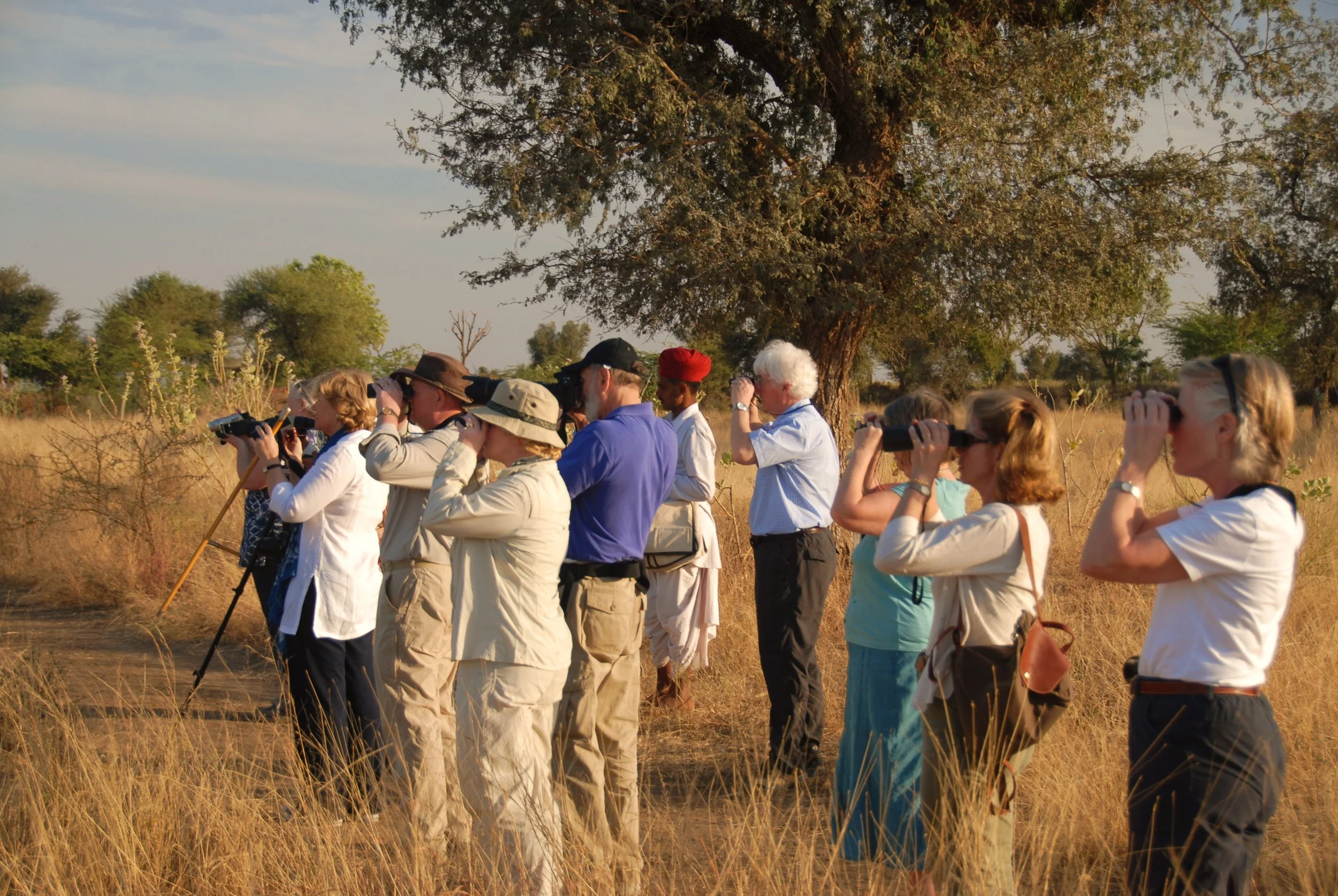
Birdwatching in Rajasthan
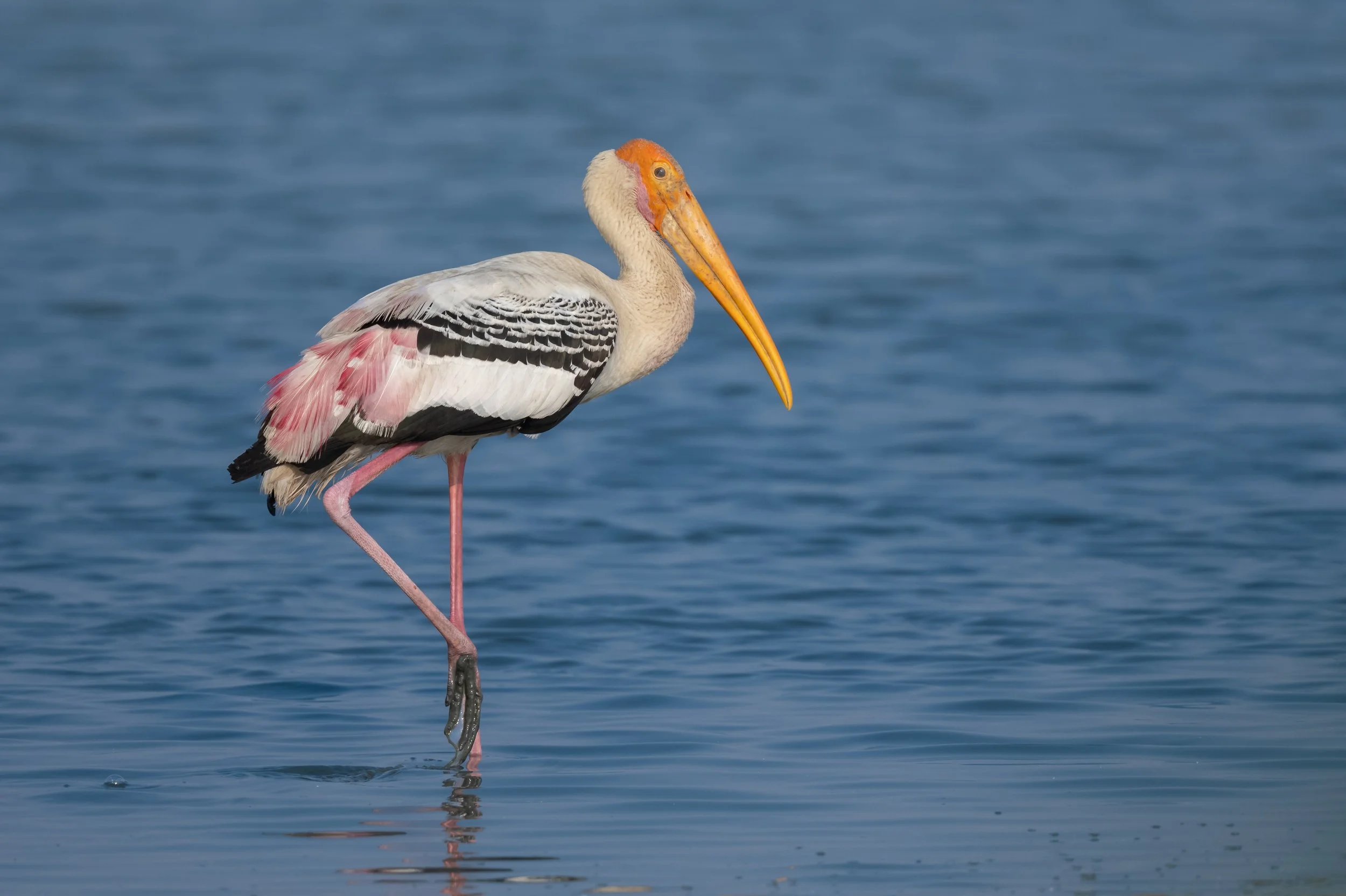
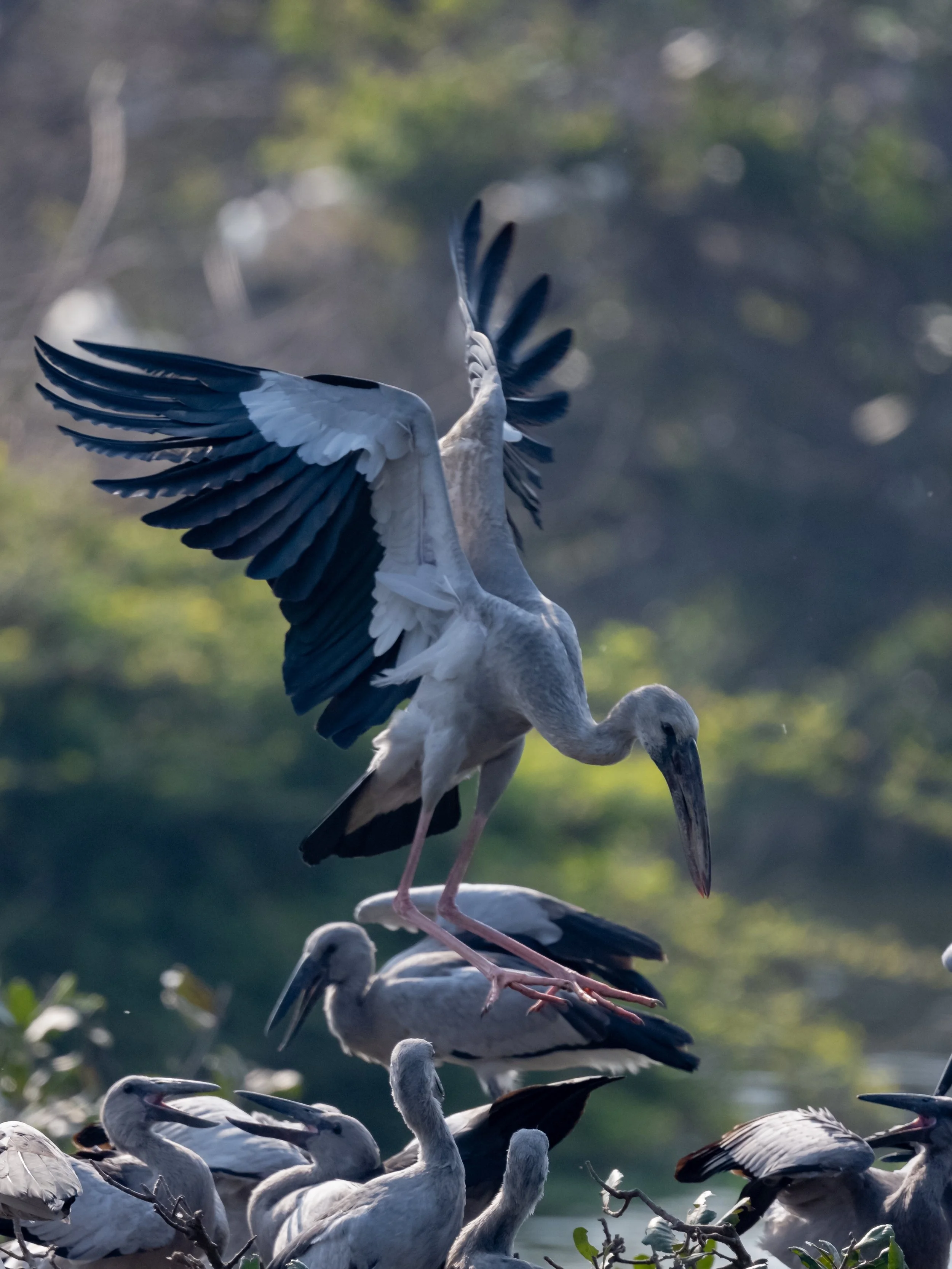
Rajasthan’s National Parks, sanctuaries and wilderness areas are a haven for birdwatchers and a dream for photographers. Its varied terrain, combined with an abundance of lakes and water bodies, creates ideal conditions for birdlife.
Both resident and migratory species can be spotted—particularly around the lakes—while numerous vantage points across the park offer rewarding viewing opportunities.
[ Highlights ]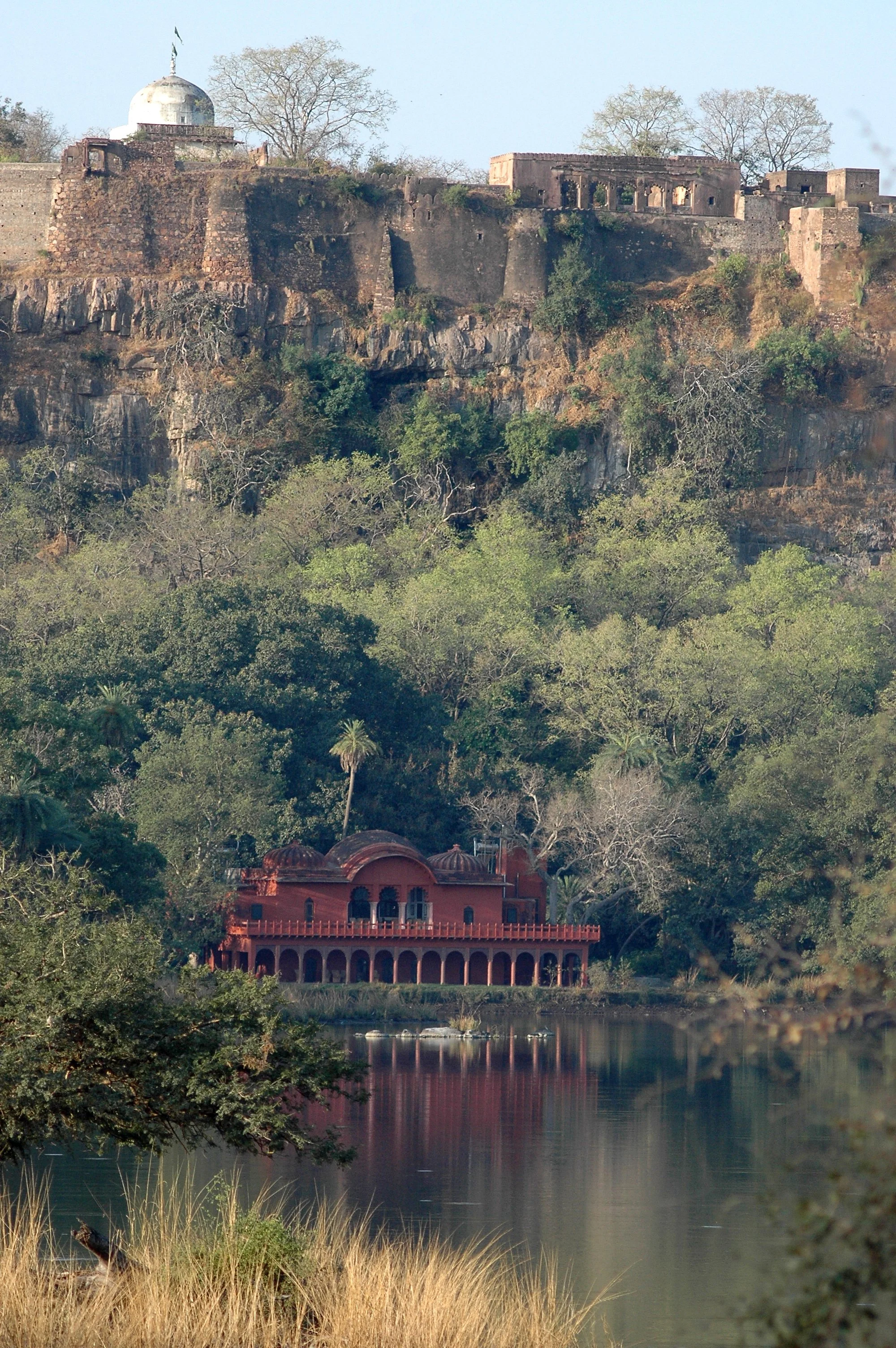
Ranthambore Fort, perched at the meeting point of the Vindhya and Aravalli ranges, dates back to 944 CE and is home to the revered Ganesh Temple Ranthambore. Regarded as one of India’s strongest forts, it rewards visitors with sweeping views over the park and its lakes, making the climb truly worthwhile.
At its base lies Jogi Mahal, set beside the tranquil Padam Talao. The area is also home to one of the country’s largest banyan trees, adding to the charm of this scenic and historic setting.
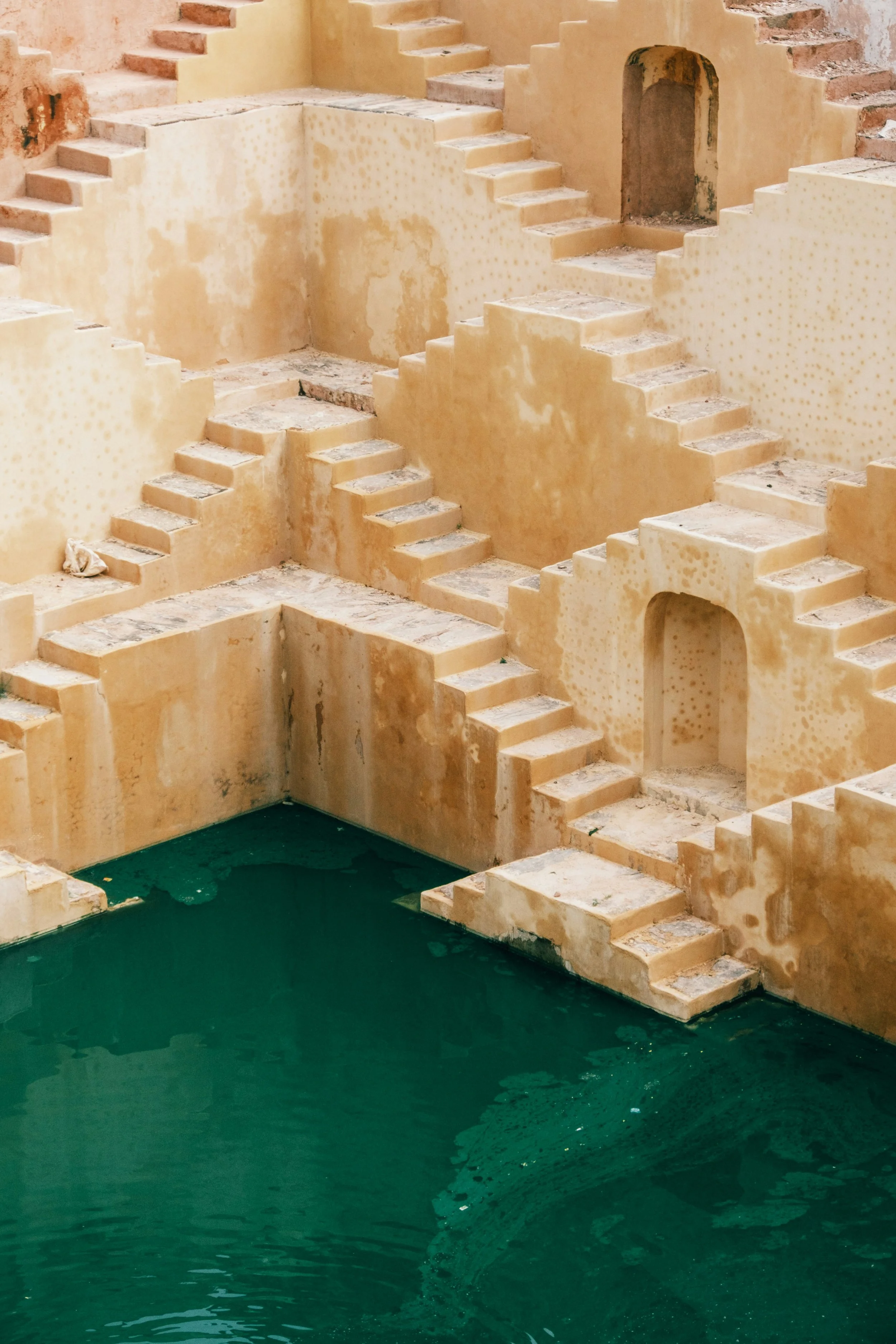
Heritage
[ HIGHLIGHTS ]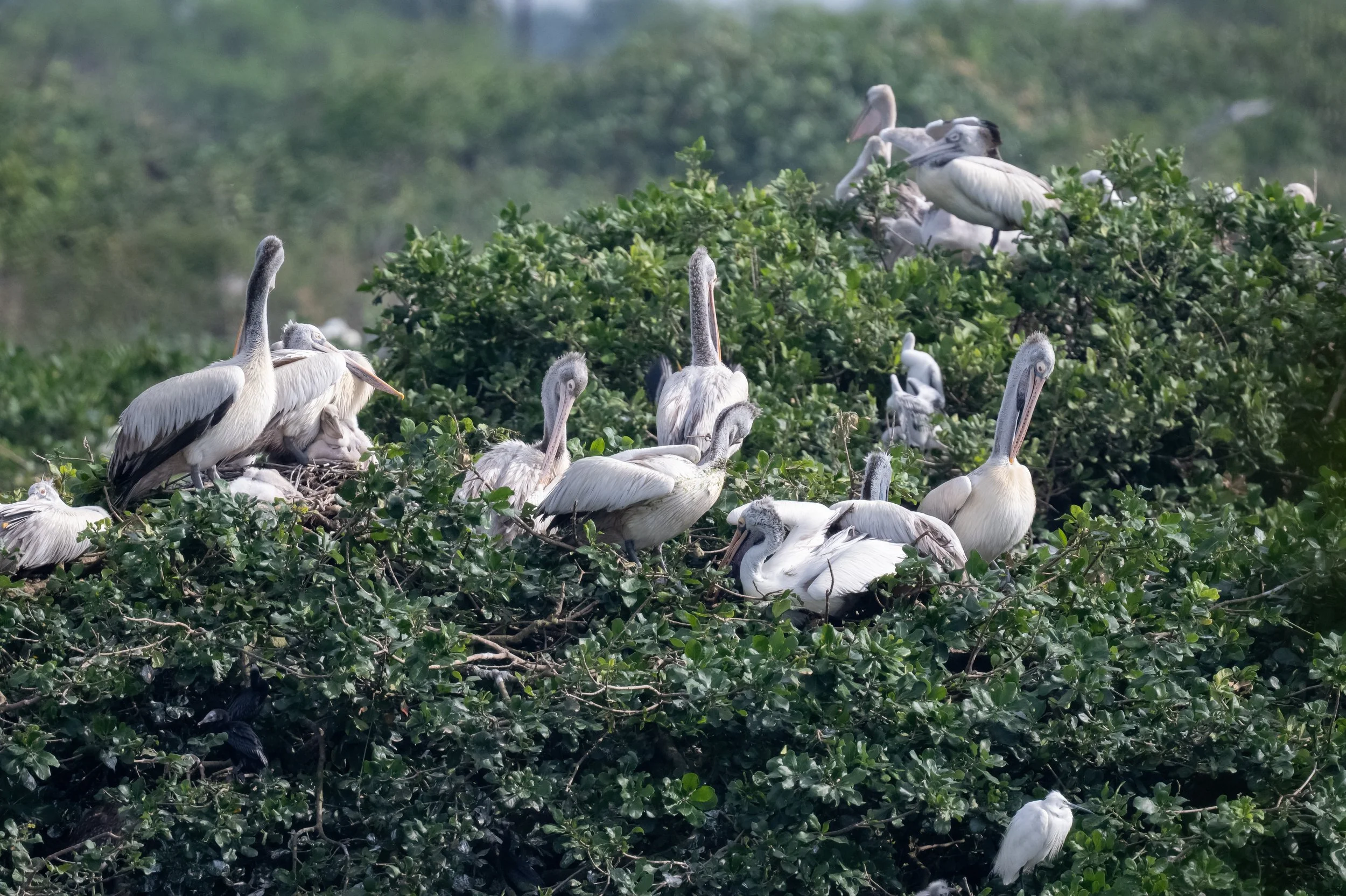
Keoladeo National Park, located about an hour from Agra, is one of the world’s finest bird sanctuaries. A UNESCO World Heritage Site, it is renowned for its rich wetlands, supporting an abundance of aquatic plant and animal life.
The park hosts an impressive variety of resident and migratory birds, making it a paradise for birdwatchers. Exploring by cycle rickshaw or on foot allows for a quiet, immersive experience amid its serene marshes.
Bharatpur Bird Sanctuary