■
ADVENTURE
[ OVERVIEW ]Designed for active and intrepid travellers, this section draws on our experience in climbing, biking, skiing, and rafting. With strong safety measures in place, it welcomes both beginners and experienced adventurers alike.
ADVENTURE JOURNEYS
■
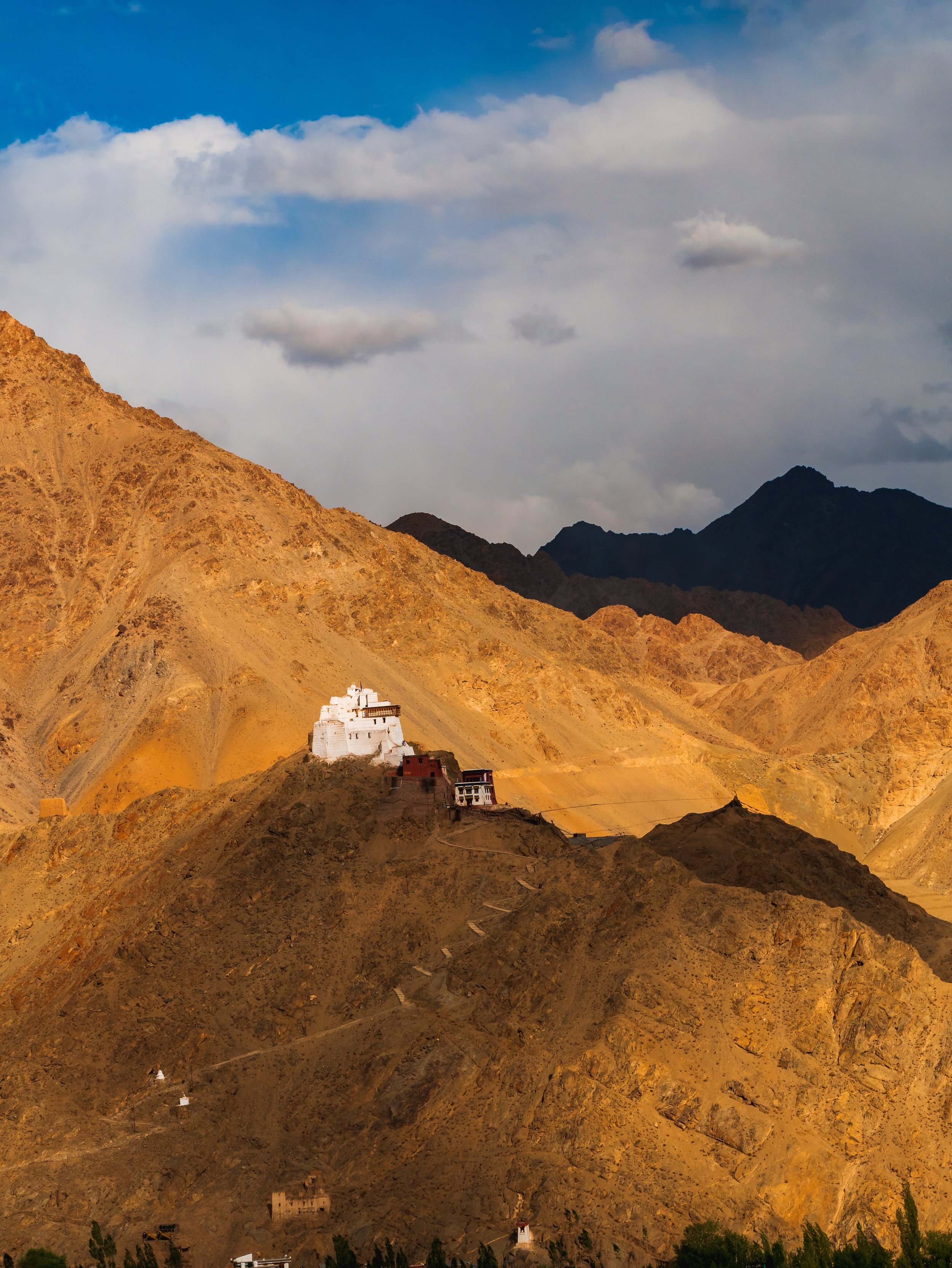
From the heights of the Himalaya to its fast-flowing rivers, discover a land of towering peaks, rich biodiversity, and timeless heritage. More than a journey, travel here is an immersion into extraordinary landscapes, authentic cultures, and the enduring spirit of the mountains.
-
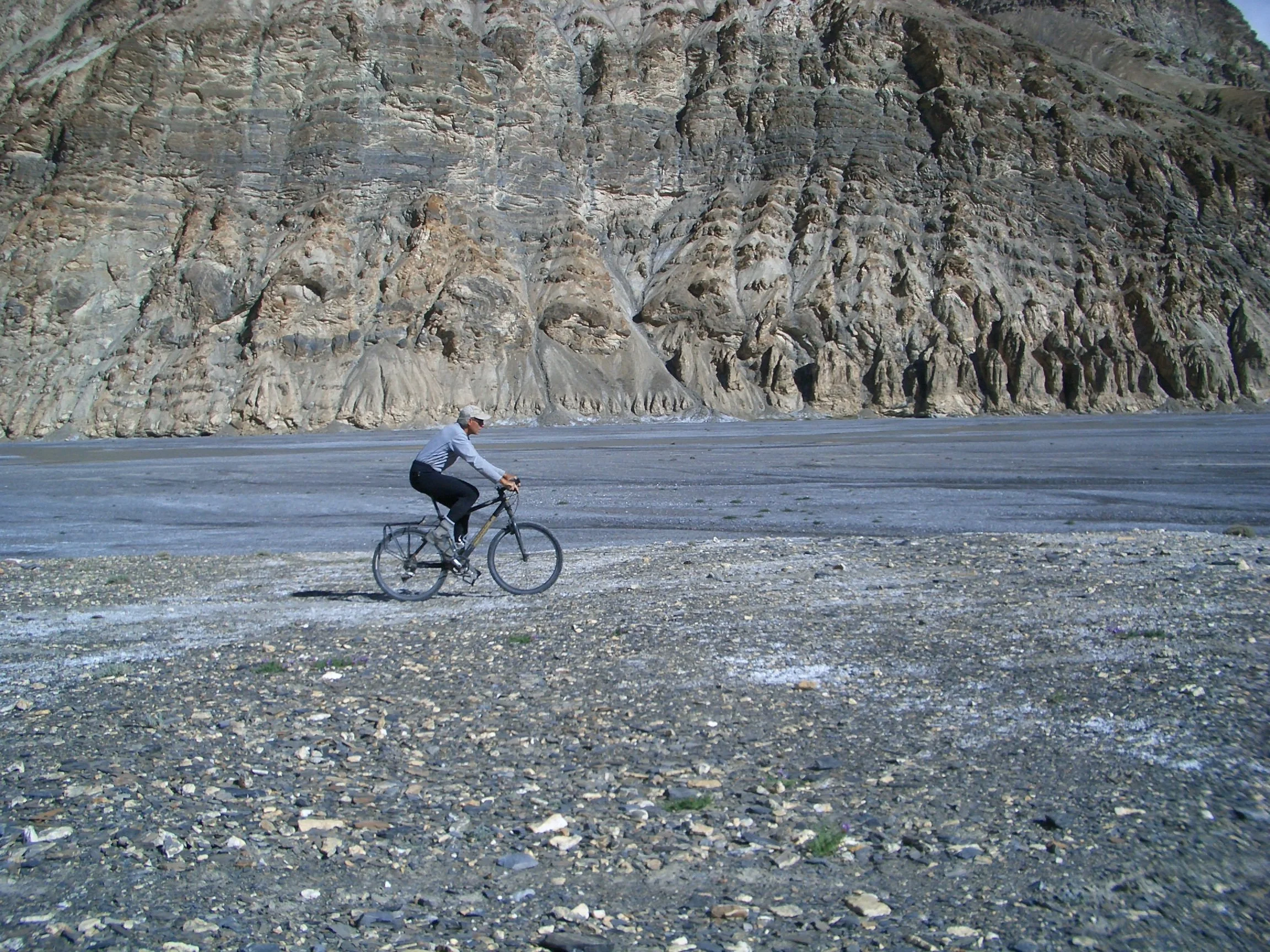
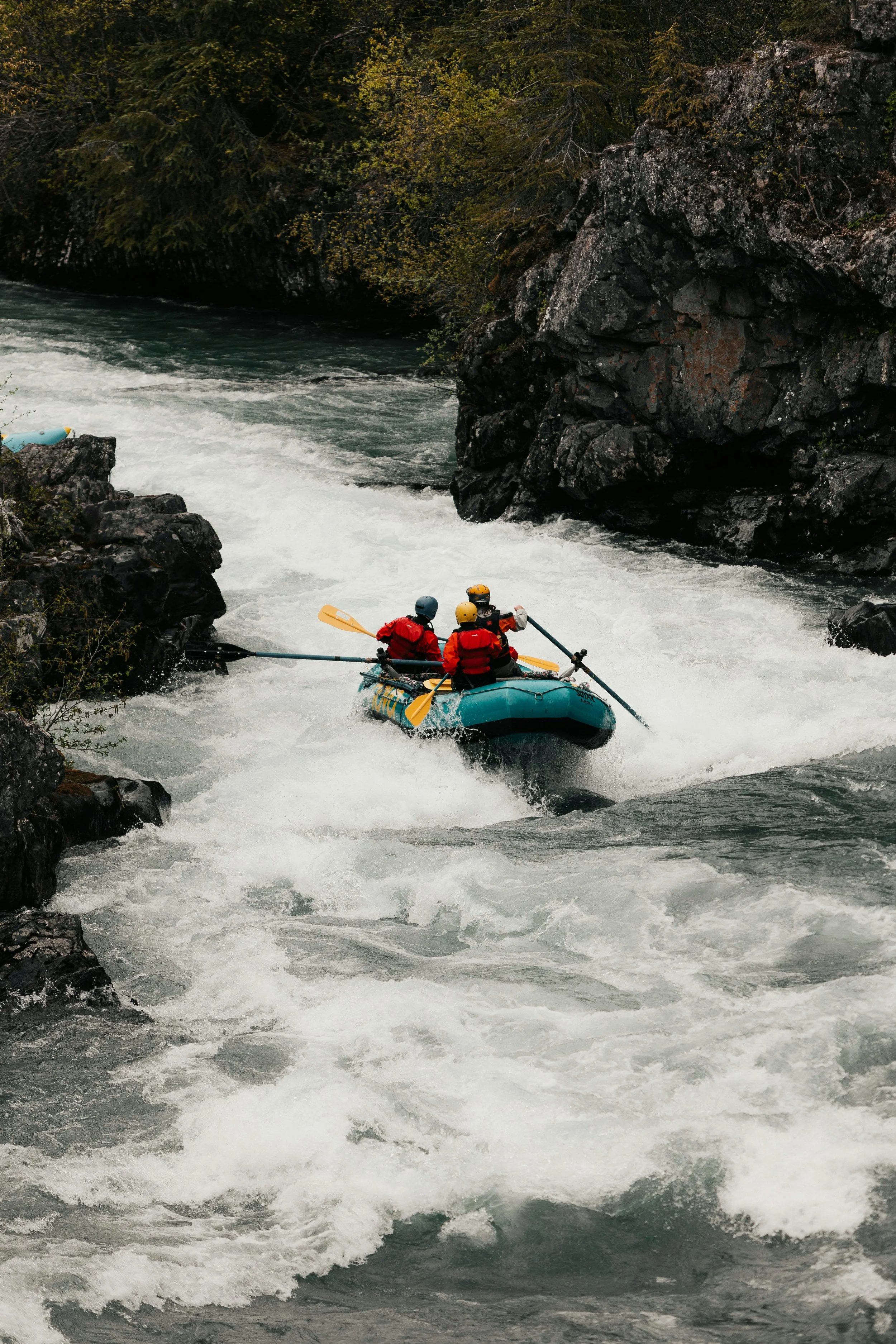
At Ibex Expeditions, we help you explore the high Himalaya through summits, historic trails, frozen river treks, mountain biking, rafting, and ski mountaineering adventures.
We focus on small groups, safety, quality equipment, good food, and well-paced itineraries that allow proper acclimatisation. Beyond adventure, each journey also offers cultural encounters, new insights, and meaningful connections with the mountains and their people.
HIMALAYAN MOUNTAINEERING EXPEDITION OUTFITTING
■
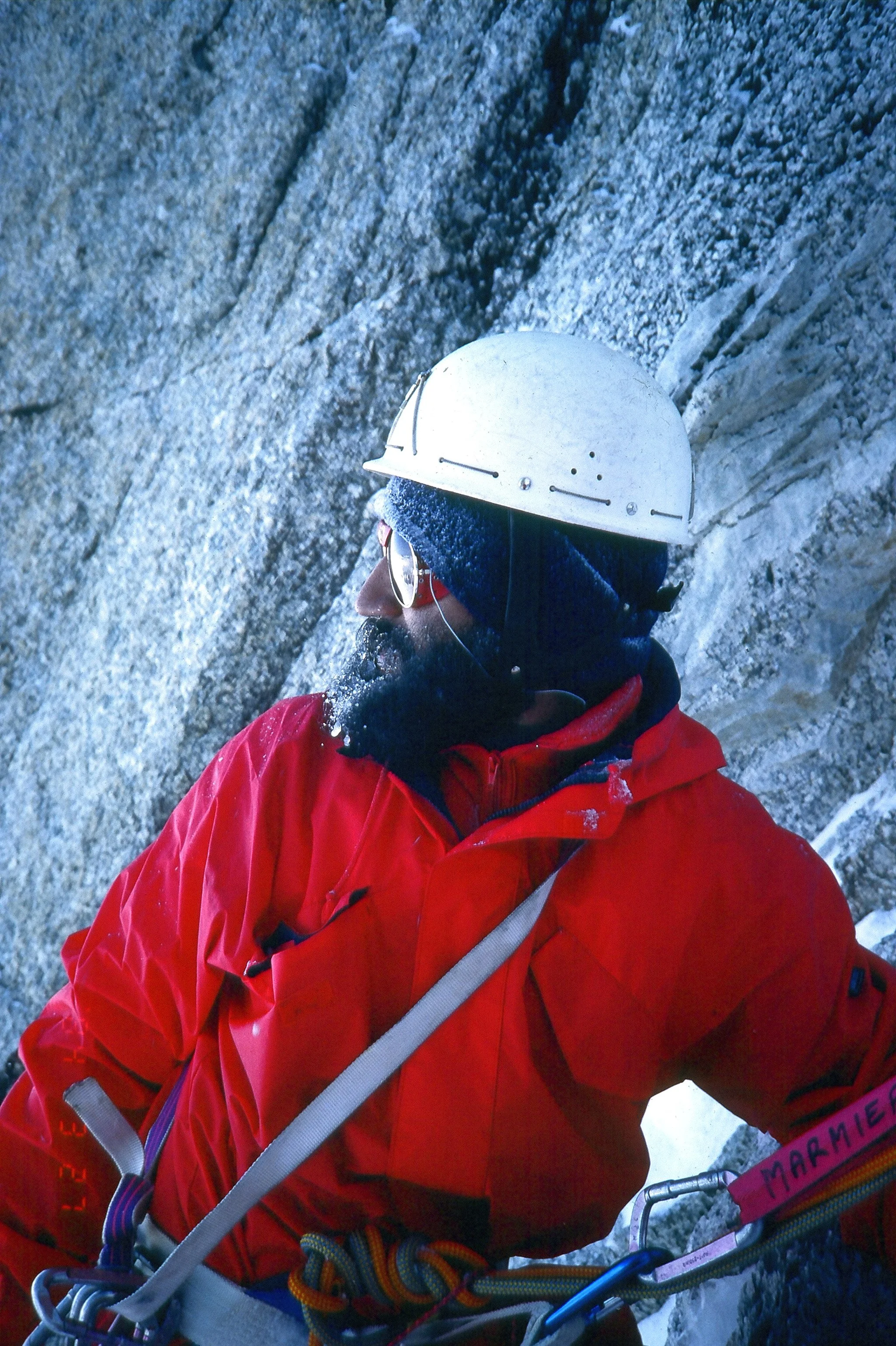
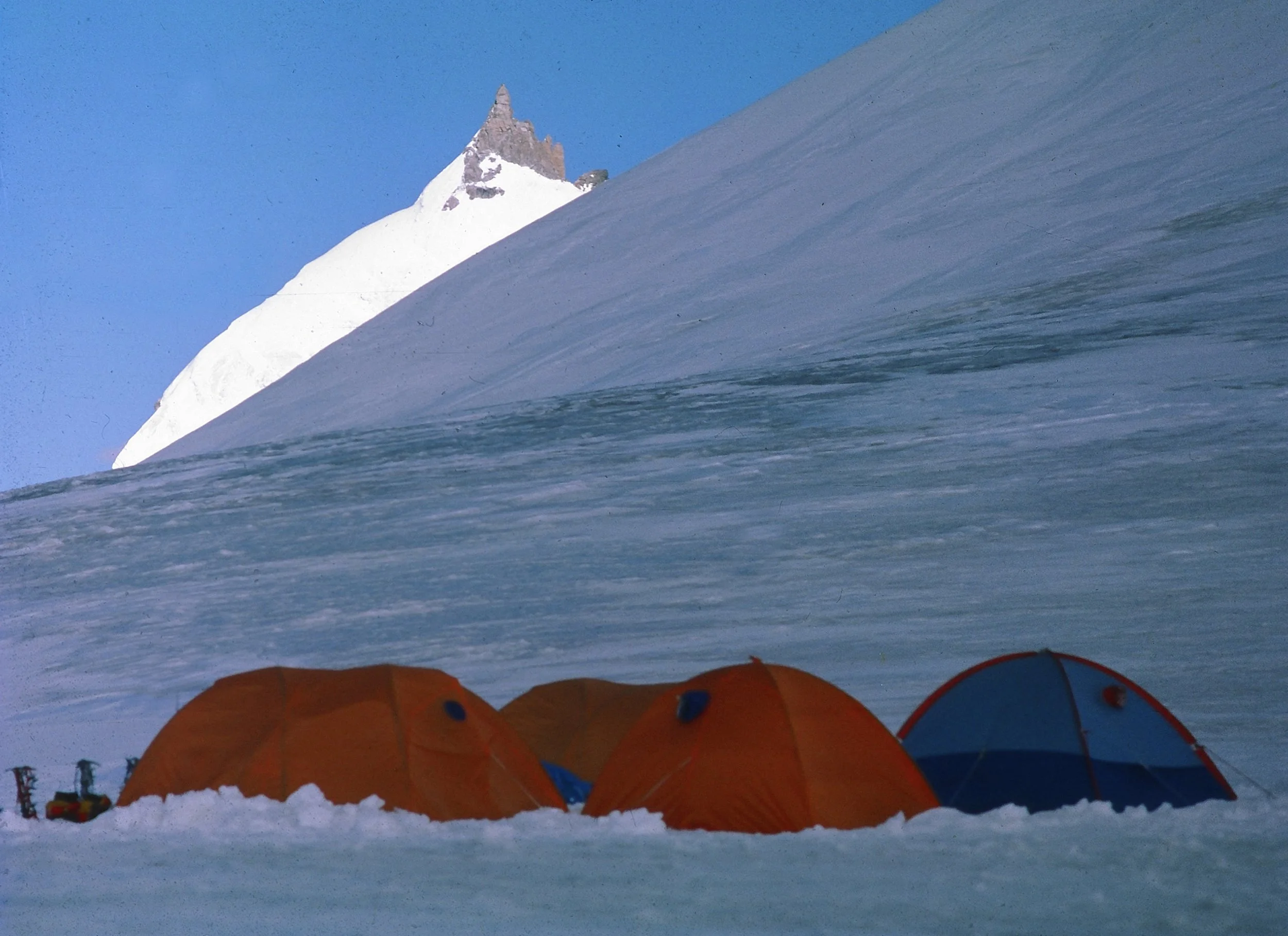
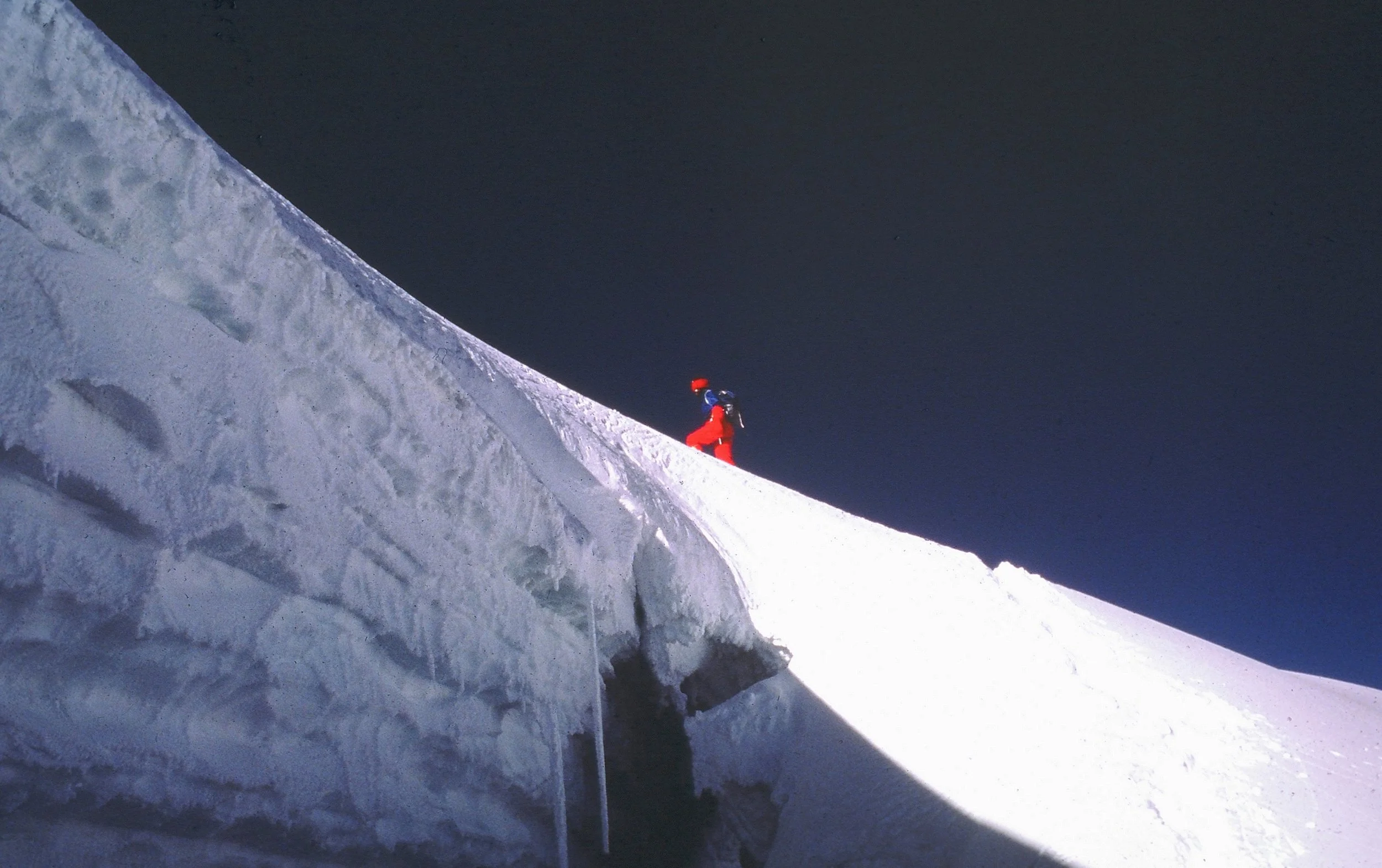
The Indian Himalaya, the legendary “Abode of Snow,” offers some of the world’s finest mountaineering, with outstanding peaks between 6,000 and 7,000 metres. Prime climbing regions include Jammu and Kashmir, Himachal Pradesh, Uttarakhand, Sikkim, and Arunachal Pradesh.
In 1997, Ibex Expeditions was recognised by the Indian Mountaineering Foundation for outfitting the highest number of mountain expeditions in the Indian Himalaya.
-
Drawing on decades of experience and the expertise of Mandip Singh Soin, Ibex Expeditions provides end-to-end support for climbing expeditions across the Indian Himalaya. From peak selection, permits, and route planning to transport, accommodation, guides, porters, camp infrastructure, and base-camp services, every expedition is professionally managed and tailored to the climber’s objectives.
Ibex has supported athletes and ambassadors from leading outdoor brands and offers access to some of India’s most iconic peaks. The main climbing season runs from mid-April to October, with Ladakh and Zanskar remaining suitable even during the monsoon. Advance planning is essential, with permits and peak bookings often requiring several months—and for popular peaks, up to a year—of lead time.
HIMALAYAN TREKKING, HIKING AND WALKS
■
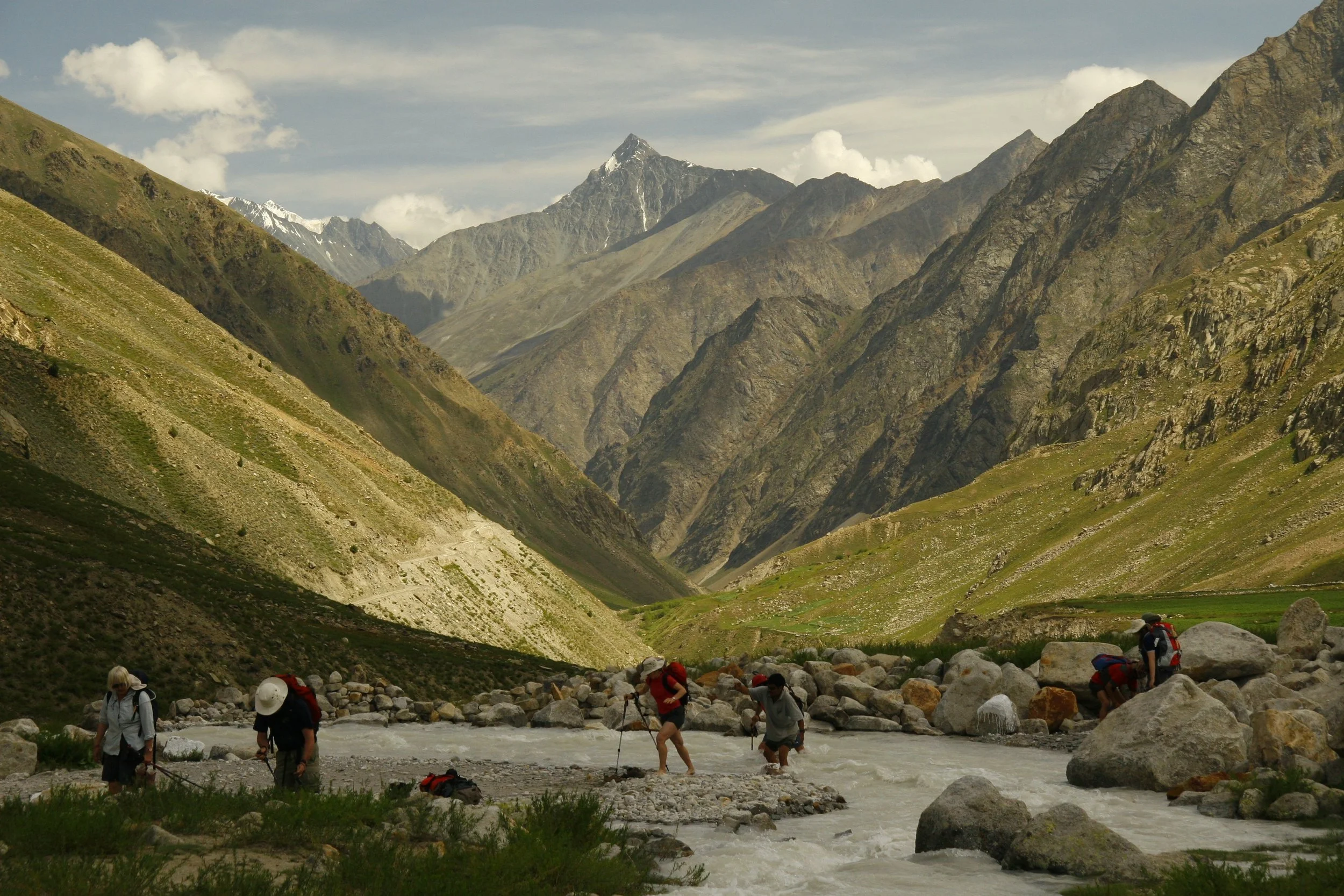
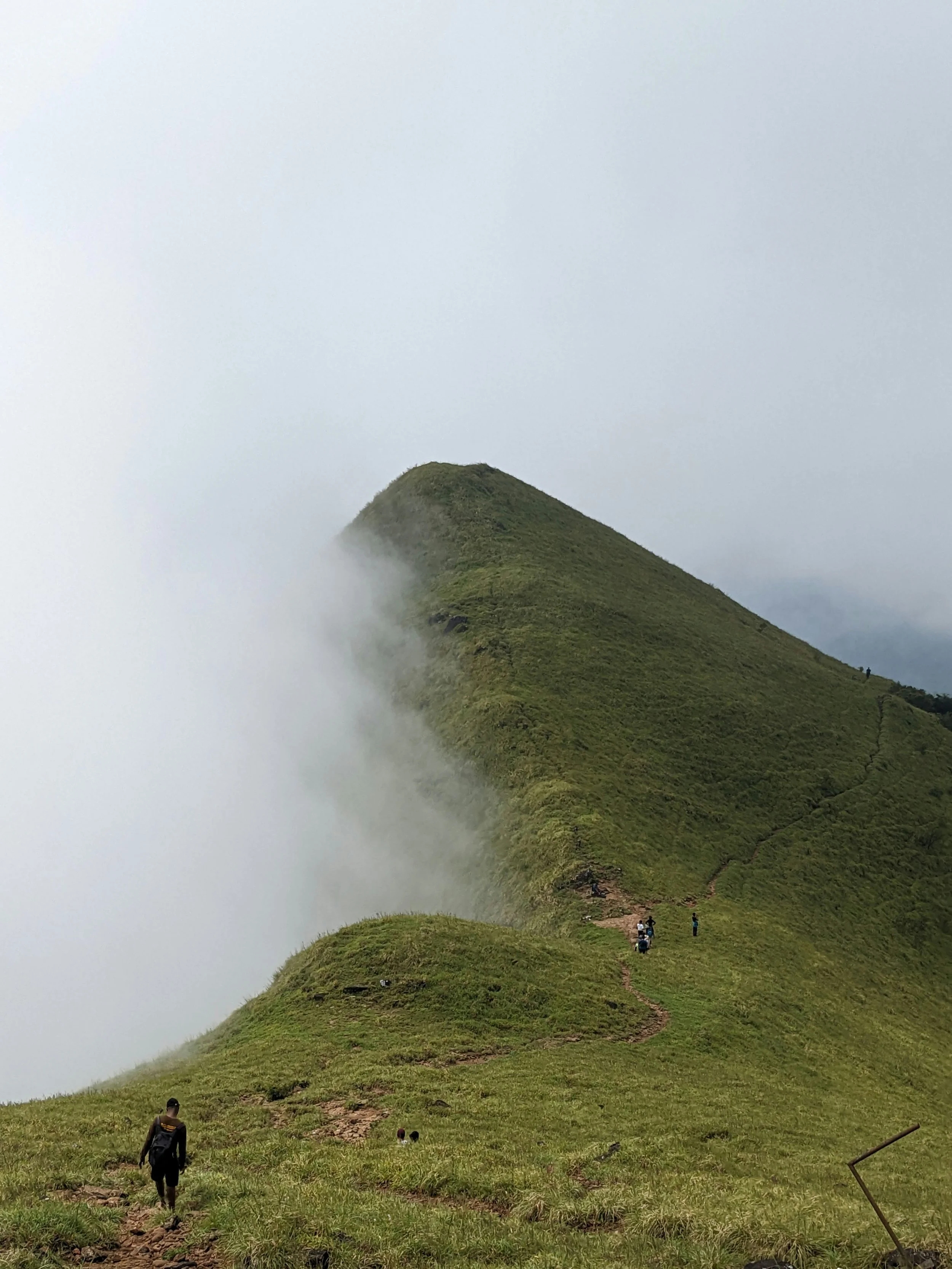
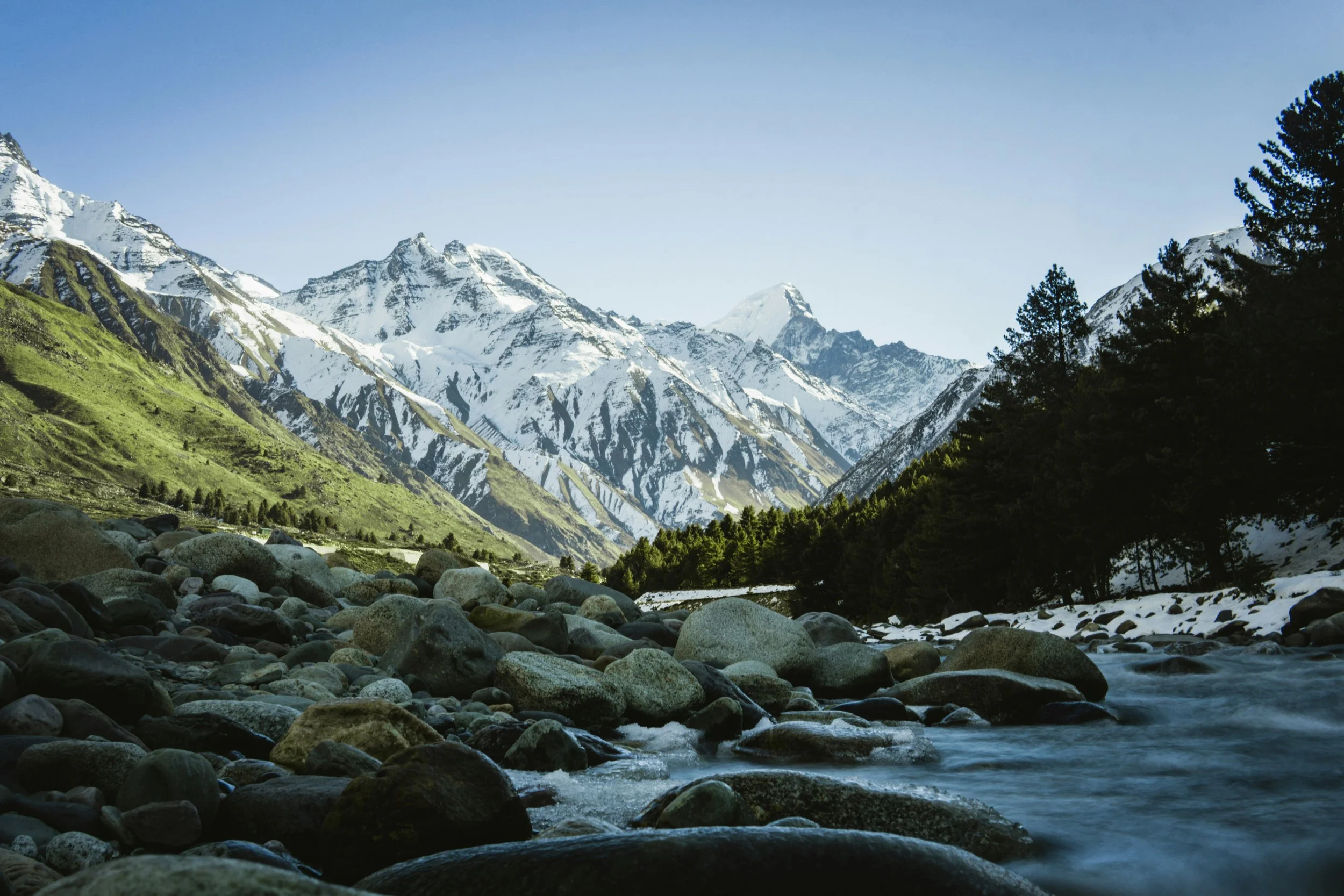
In India, the principal Himalayan trekking regions include Jammu & Kashmir, Ladakh & Zanskar, Himachal Pradesh, Uttar Pradesh, West Bengal, Sikkim, and Arunachal Pradesh. Trekking opportunities are also in the Nilgiris of South India, offering a contrasting landscape of rolling hills and evergreen forests.
-
Winter Trekking
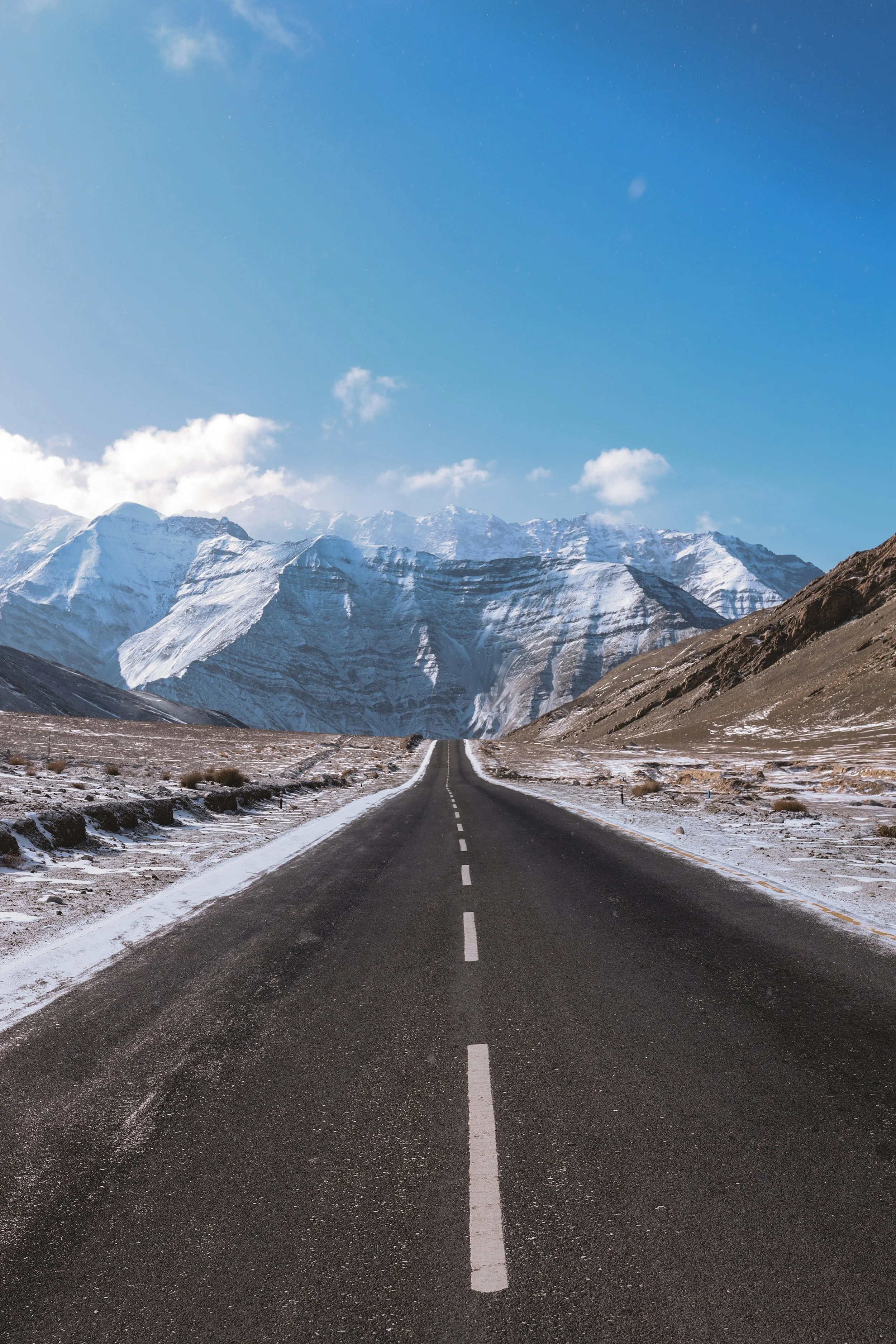
The Chadar Trek is a once-in-a-lifetime journey across the frozen Zanskar River. In winter, the river freezes into a sheet of ice—the Chadar—forming the only route between Zanskar and Ladakh. Accompanied by experienced local guides and porters, trekkers walk through spectacular icy gorges, camp in caves and villages, and experience one of the Himalaya’s most unique adventures.
This two-week expedition from Delhi requires good fitness and prior outdoor experience. Notably, Ibex Expeditions pioneered and led more journeys through the gorge than any other operator, earning a PATA Discovery Award for introducing the trek to the world.
Trekking
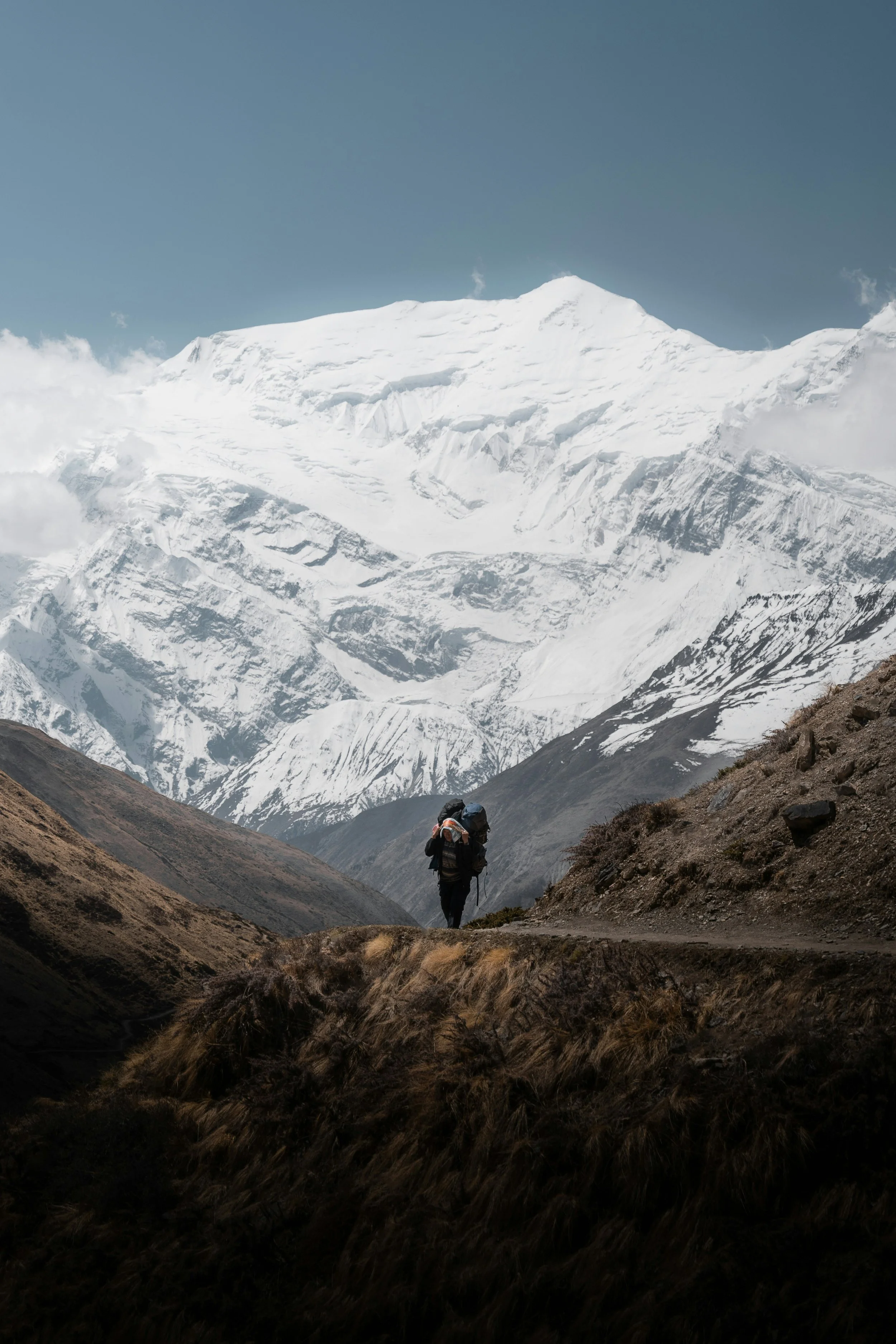
Experience the culture, spirituality, and landscapes of the Himalaya through journeys that go beyond trekking. From the Buddhist monasteries of Ladakh and the rugged trails of Zanskar to the alpine meadows of Garhwal, the peaks of Kumaon, the forests of Himachal Pradesh, and the remote landscapes of Sikkim and Arunachal Pradesh, each region offers a distinct experience of mountain life.
Treks range from short 2–3 day walks to extended 21–30 day expeditions. The main trekking season is April–October (excluding July), while Sikkim and Arunachal Pradesh are best visited from October–December and March–May. Complete logistical support is provided, including transport, accommodation, guides, camping equipment, meals, cooks, and porters.
RIVER JOURNEYS
■
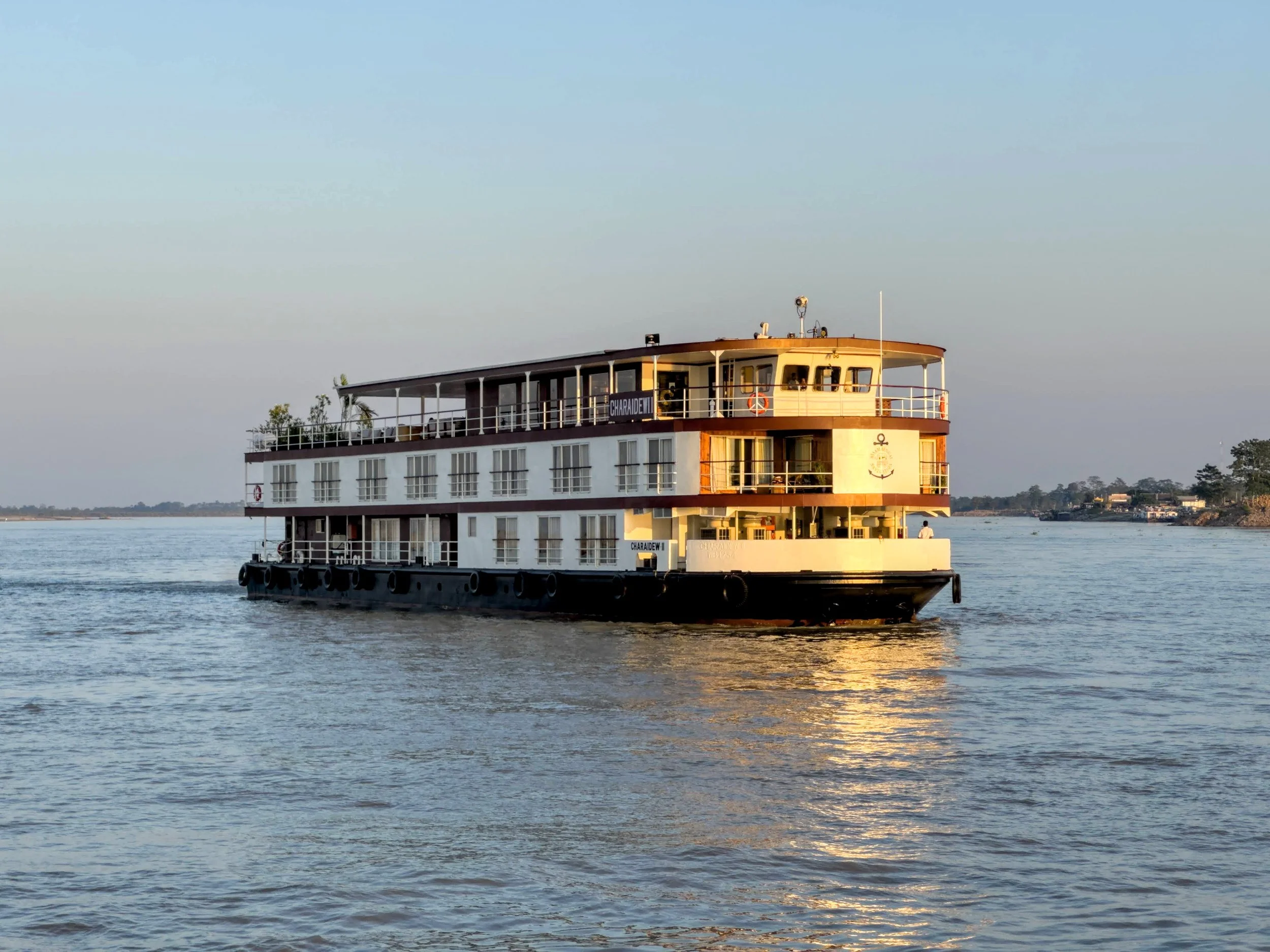
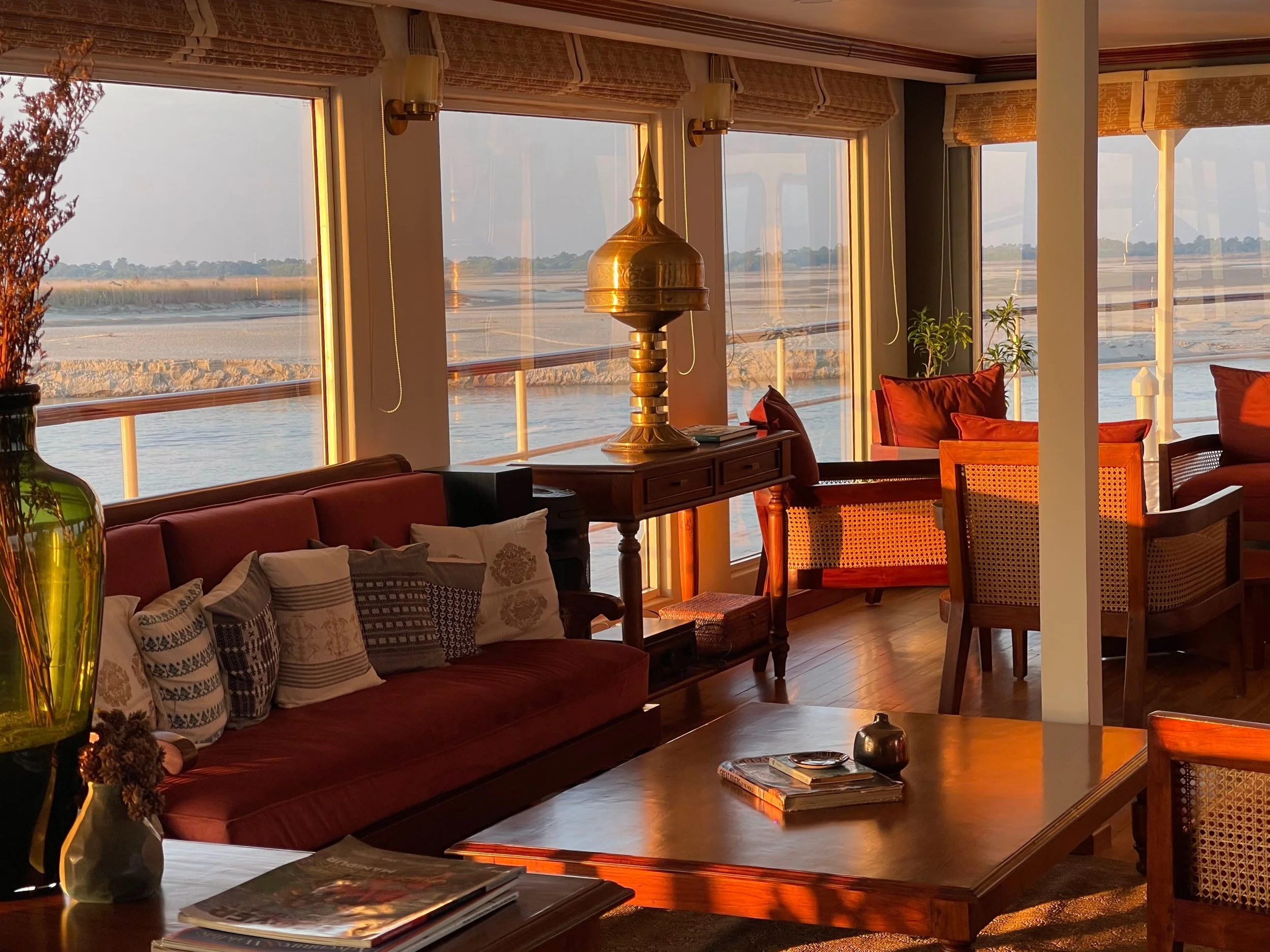
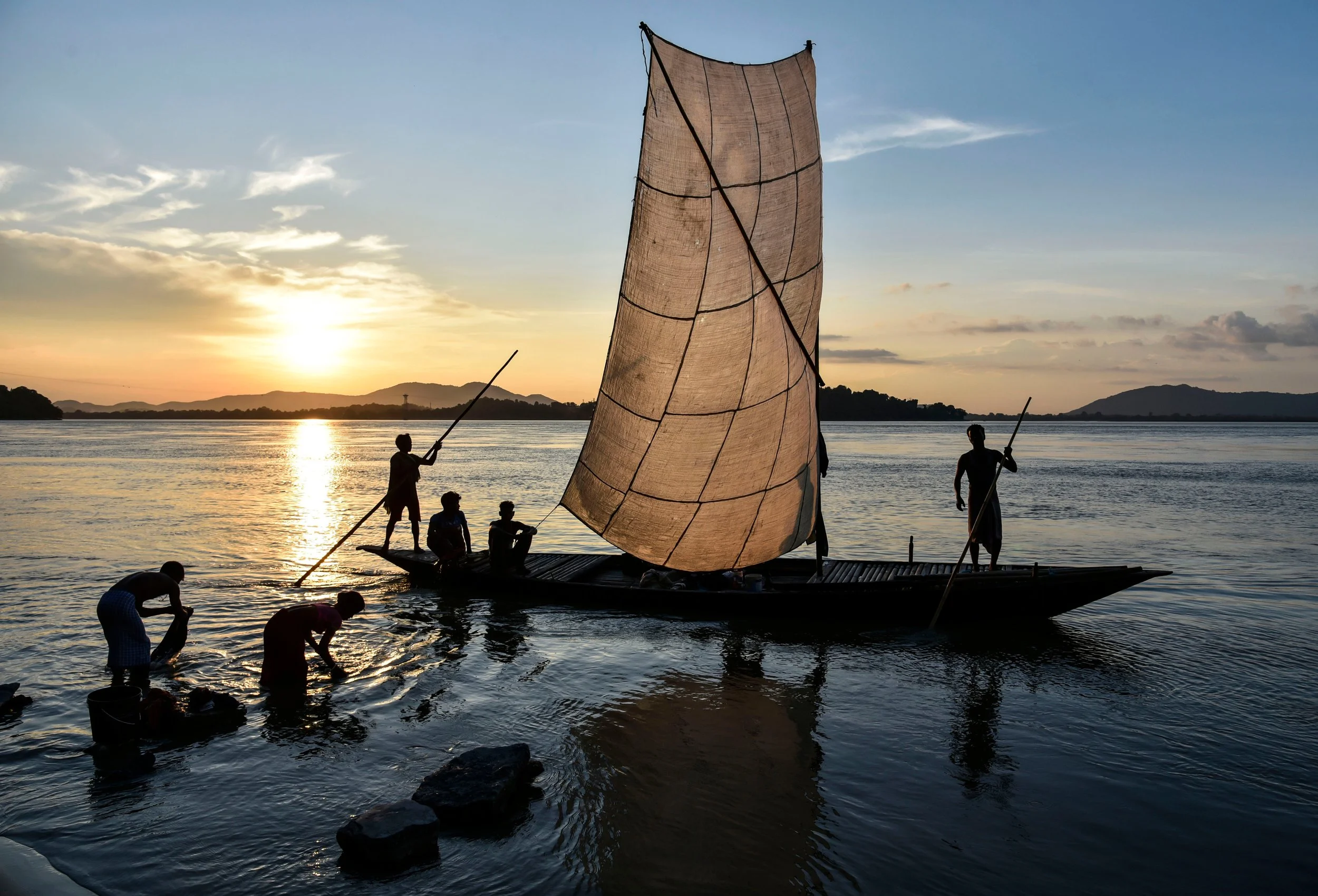
From the mighty Brahmaputra and the historic Hooghly to the enchanting Mekong, Ibex Expeditions curates exceptional river journeys that reveal the rich cultures, landscapes, and traditions that flourish along these legendary waterways. Each voyage combines immersive exploration, authentic local encounters, and carefully crafted experiences, offering travellers a unique perspective on some of Asia’s most fascinating regions.
-
THE BRAHMAPUTRA
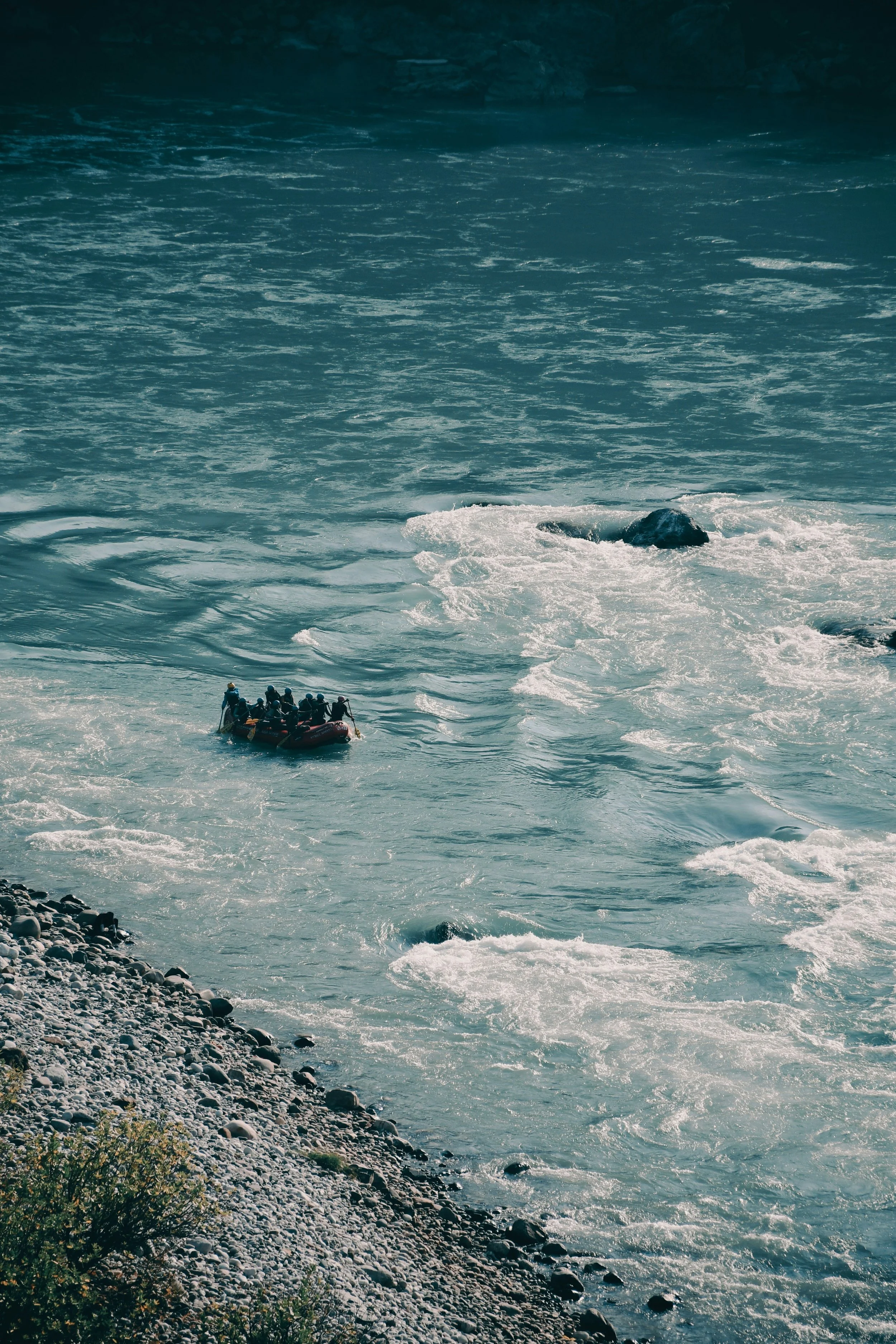
The Brahmaputra is one of Asia’s great rivers and India’s largest river system by discharge. It originates in Tibet as the Yarlung Tsangpo, enters Arunachal Pradesh as the Siang River—the stretch on which we will raft—and flows through Assam as the Brahmaputra before entering Bangladesh, where it is known as the Jamuna.
THE HOOGHLY
The seven-day cruise delves into the history book of Medieval India, under the Hindus in the 12th century and the Mughals as the Eastern India capital from the 14th to the 16th centuries.
THE MEKONG
A striking contrast unfolds between tranquil Cambodia and bustling Vietnam. From Siem Reap and Angkor Wat to vibrant Ho Chi Minh City, we journey along the Mekong through fertile landscapes rich in culture and life.
BHITARKANIKA & MAHANADI
Lying on the coast of Bay of Bengal, Bhitarkanika, popularly referred to as the mini-Amazon
HERITAGE & ECO TOURS
■
Environmentally responsible travel and visitation to relatively undisturbed natural areas, undertaken in order to enjoy, study, and appreciate nature — and any accompanying cultural features — in a way that promotes conservation, has low visitor impact, and supports the active socio-economic involvement of local populations.
This definition of ecotourism was first adopted in 1991 by the Board of Directors of The International Ecotourism Society.
‘Ecotourism is responsible travel to natural areas that conserves the environment and sustains the well-being of local people.’
-
At Ibex Expeditions, this principle forms the foundation of our philosophy of travel. We are committed to environmental stewardship and strive to uphold the highest standards of ‘minimum impact tourism’. Our approach is rooted in the belief that travel should not only minimise harm but also actively contribute to the protection of natural landscapes and the well-being of local communities.
Every Ibex journey is guided by this ethic — ensuring that exploration remains responsible, respectful, and regenerative, allowing travellers to engage deeply with nature while helping safeguard it for future generations.
World Heritage Site tour
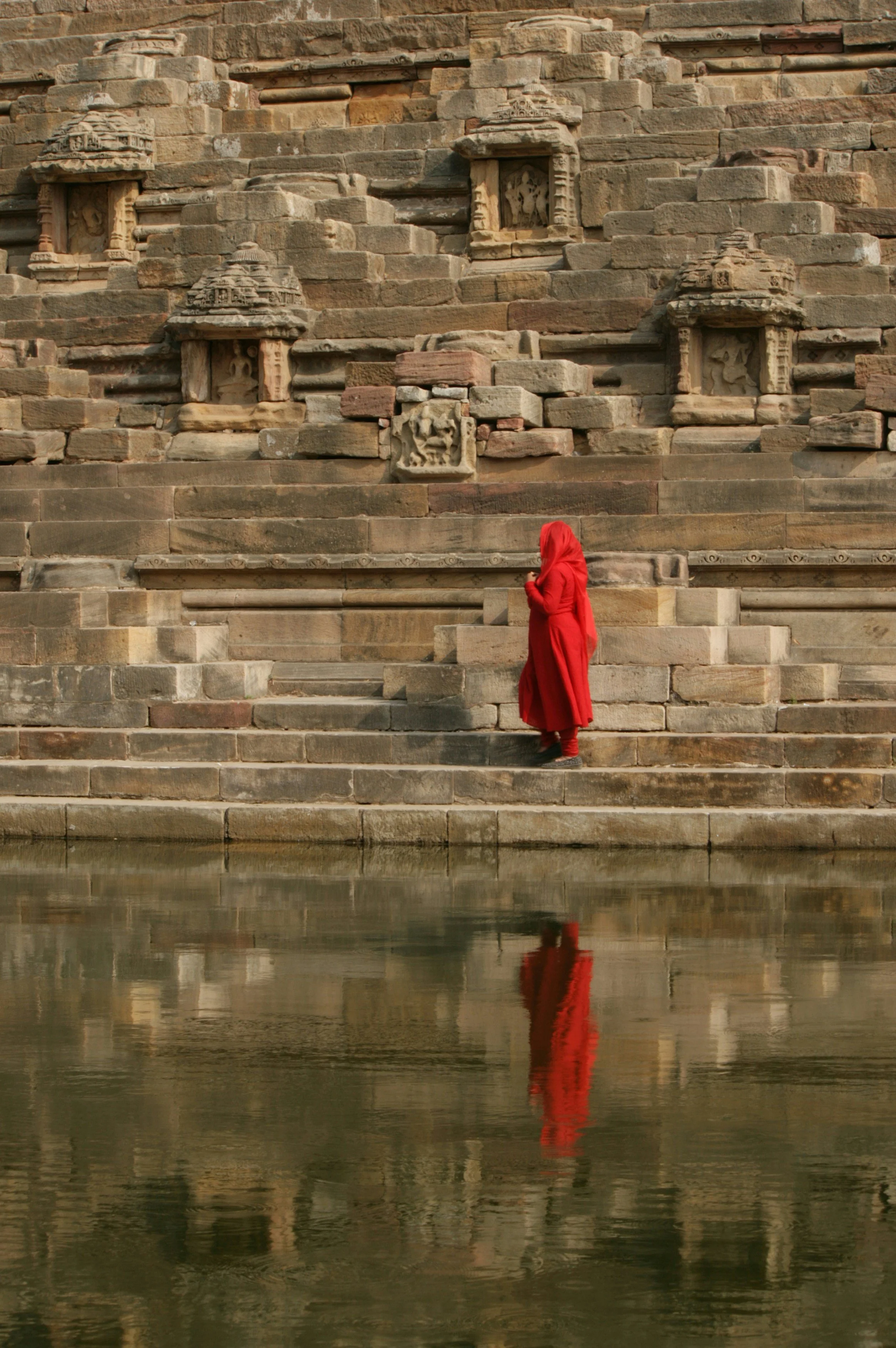
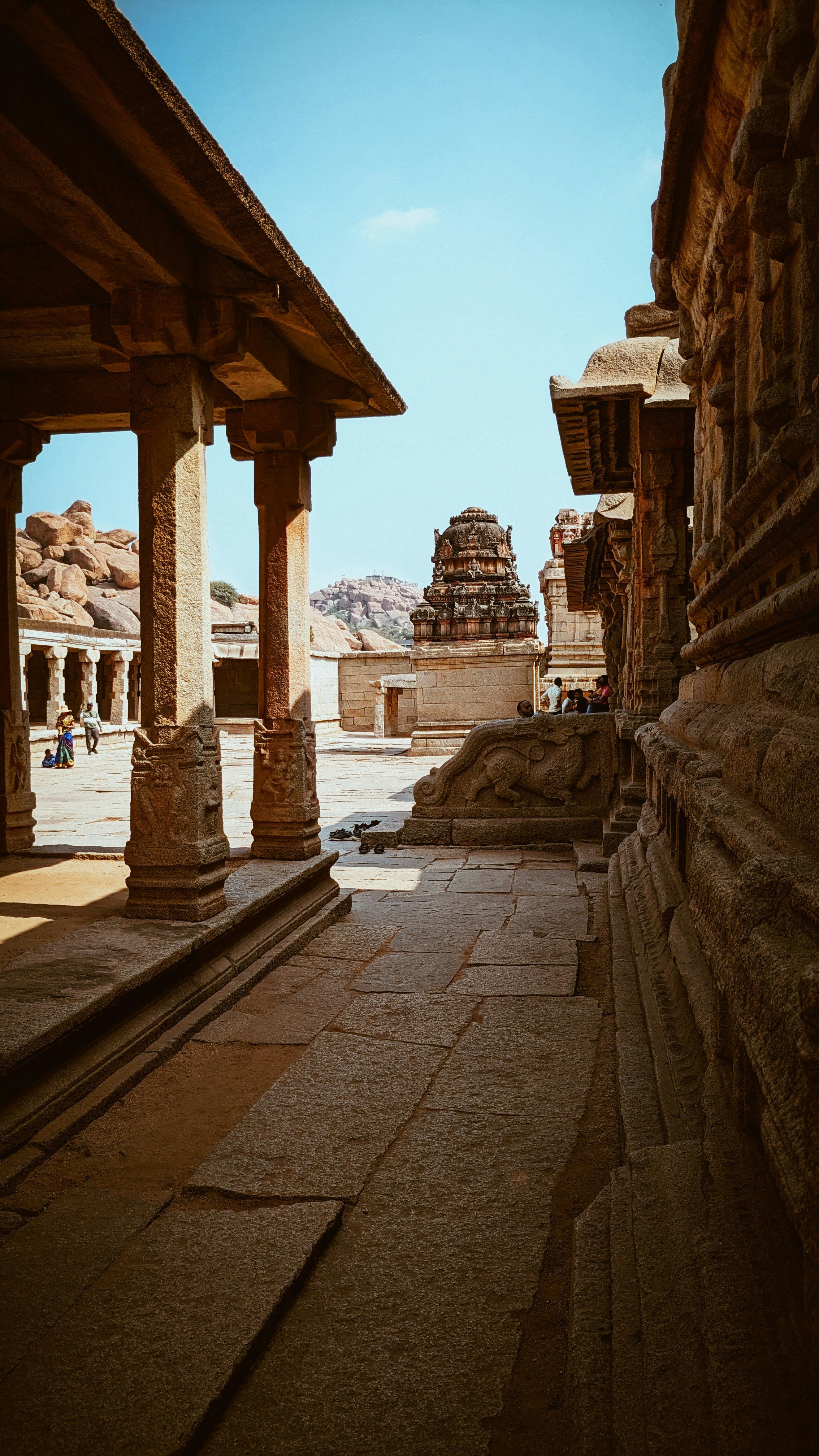
To celebrate the Year of Ecotourism 2002, Ibex has woven together some of the premier World Heritage sites in India as a tour circuit. These are monuments selected by UNESCO to encourage the protection and preservation of cultural sites considered to be of outstanding value to humanity. In addition, the natural World Heritage site of Keoladeo Ghana bird sanctuary at Bharatpur is also included.
The other cultural sites include monuments with historical, aesthetic, archaeological, scientific, ethnological or anthropological value. Our guides are specially trained at different locales to bring out the history and cultural significance of the people and the landscape of India.
Delhi – Agra – Fatehpur Sikri – Bharatpur – Khajuraho – Sanchi – Elephanta caves – Ellora caves – Ajanta caves – Goa – Mamallapuram – Chennai – Mumbai
South India Eco Paradise tour
From the beautiful garden city of Bangalore, you travel south to the princely state of Mysore, famous for sandalwood and jasmine. City Palace designed by Henry Irwin and built in 1897 in the Indo Saracenic style in grand proportions. From here, the Eco paradise takes you to the District of Coorg, originally an English settlement and rich in coffee estates, pepper and cardamom and on to the Wayanad hills in pristine verdant tropical rainforests.
We then travel to Cochin, a trading Portuguese port since Roman times. The Jewish synagogue is in Mattancherry and the Jews have claimed to have settled here in 587 BC and some legends trace their origin to King Solomon 1030 BC.
A houseboat “Kettuvallam” on the backwaters
The unique journey through the backwaters on a houseboat shows the unique Kerala village life, after which you arrive by boat, cutting through the floating scented hyacinth to the wonderful backwater resorts. We then move to the heart of cardamom hills to the Periyar tiger reserve, an exclusive haven for South India’s wildlife.The journey culminates in the blue hills of the Nilgiri mountains in Munnar, surrounded by tea estates and forest, rich in wildlife, including the reclusive Nilgiri Tahr.
Delhi or Mumbai – Bangalore – Mysore – Coorg – Wayanad – Cochin – Backwaters – Kumarakom – Periyar – Munnar – Cochin ~ onward destination (15 nights/16 days)